
Visiting Friends in Germany
It was very meaningful to visit friends that I first met over fifty years ago, when I studied for a year in Kiel, Germany.
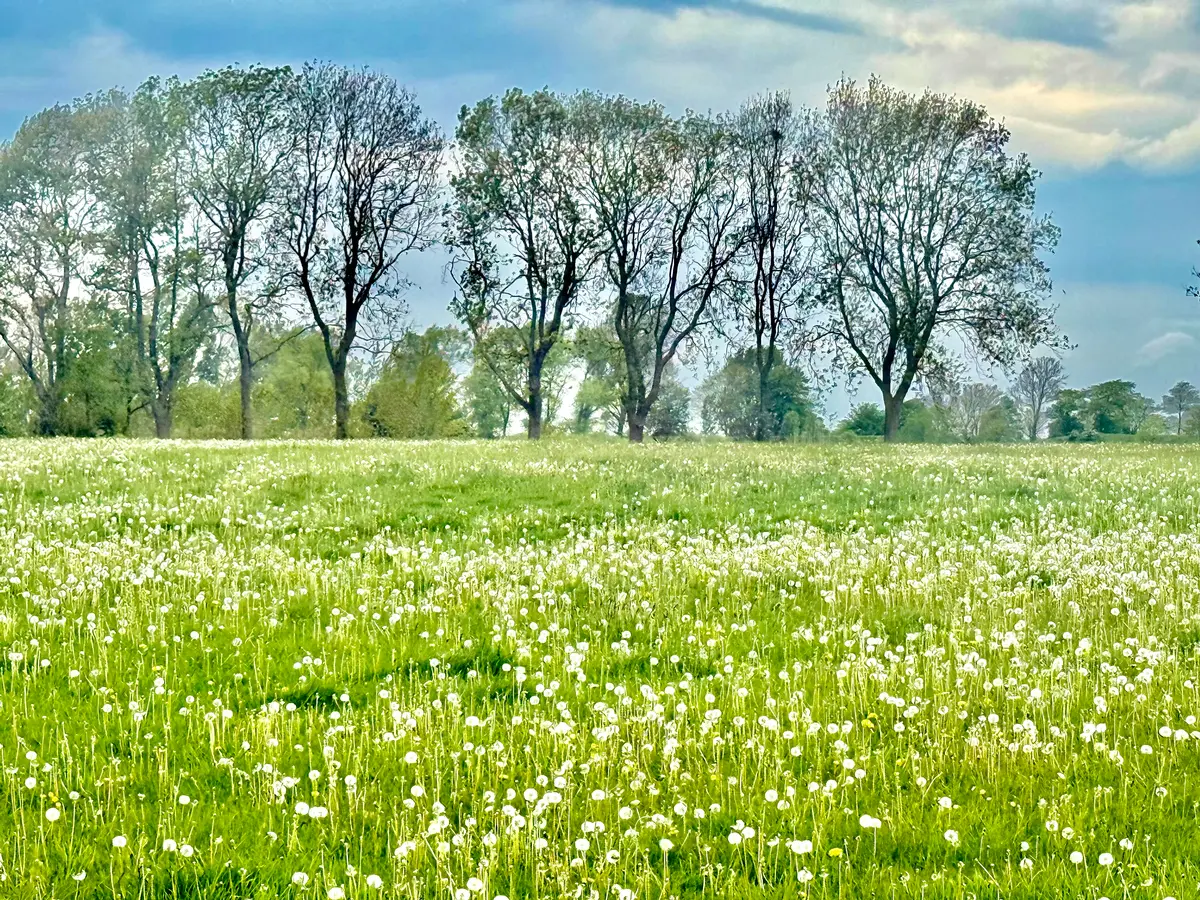
Fifty seven years ago, this shy inexperienced Georgia boy traveled to Kiel, Germany, to spend the “junior year abroad.” I ended up staying in Kiel for one year, but stayed out of the US for three and a half years, until the Vietnam War and the military draft were over. I have dear German friends that I met in Kiel, who comprise the Kieler Old Farts, with whom I’ve enjoyed annual reunions in varied locations in Europe and the US for the last twenty years.
When I first arrived at my student home in Kiel in 1969, I heard piano music emanating from one of the main rooms...not just any music...Debussy and Ravel, two of my favorite composers. The pianist was Gert, who became my best friend in Kiel. Later, we traveled overland to India together, the first of many subsequent visits for both of us. Gert and I both embraced the study of Indian classical music...Gert studied the tabla in Bombay, and I studied the bansuri (bamboo flute) at the Ali Akbar College of Music in Marin County, California. After living in India for at least a decade, Gert relocated to Nepal, where he spent eighteen years, founded a music school, and became the world’s leading expert in Nepali drumming.
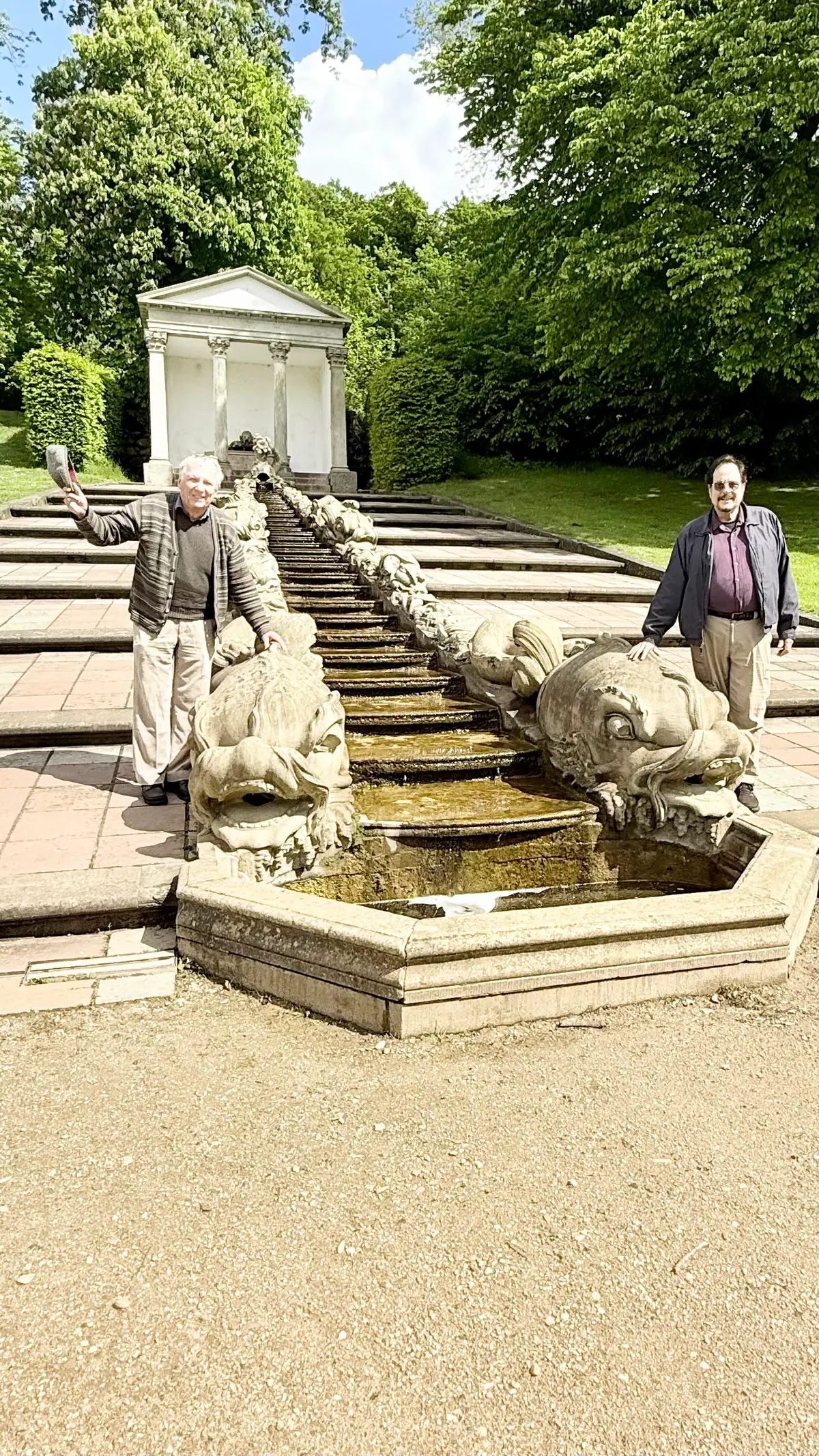
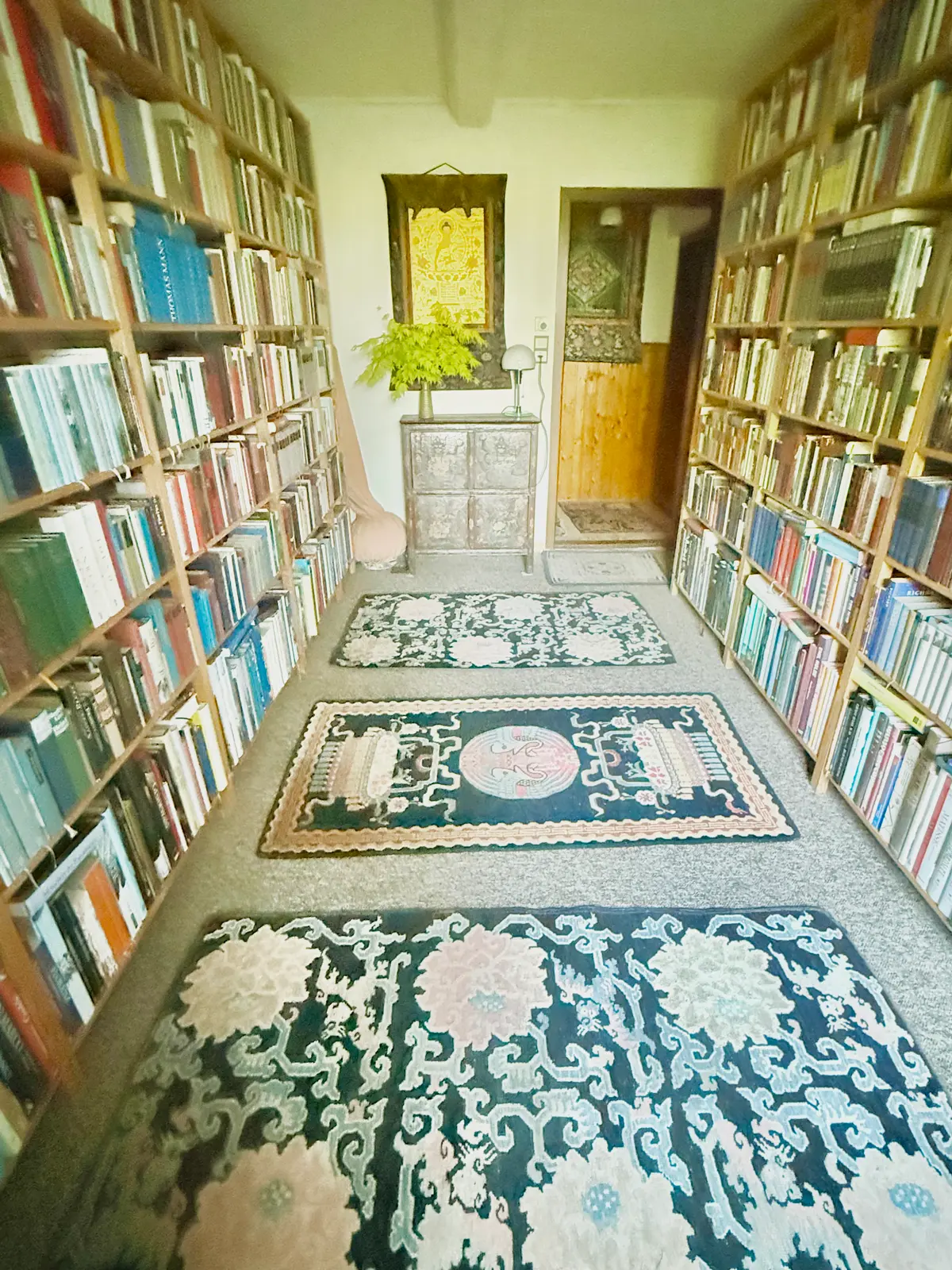
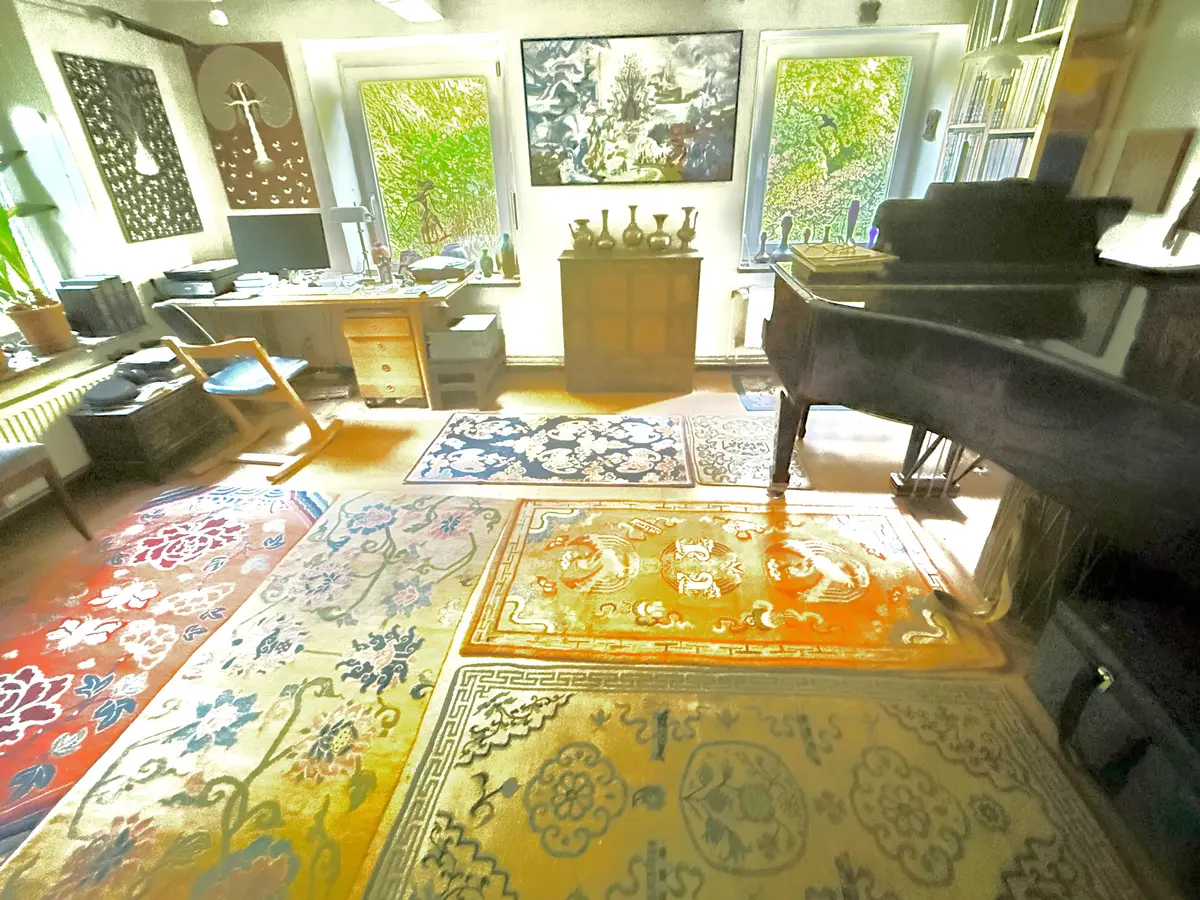
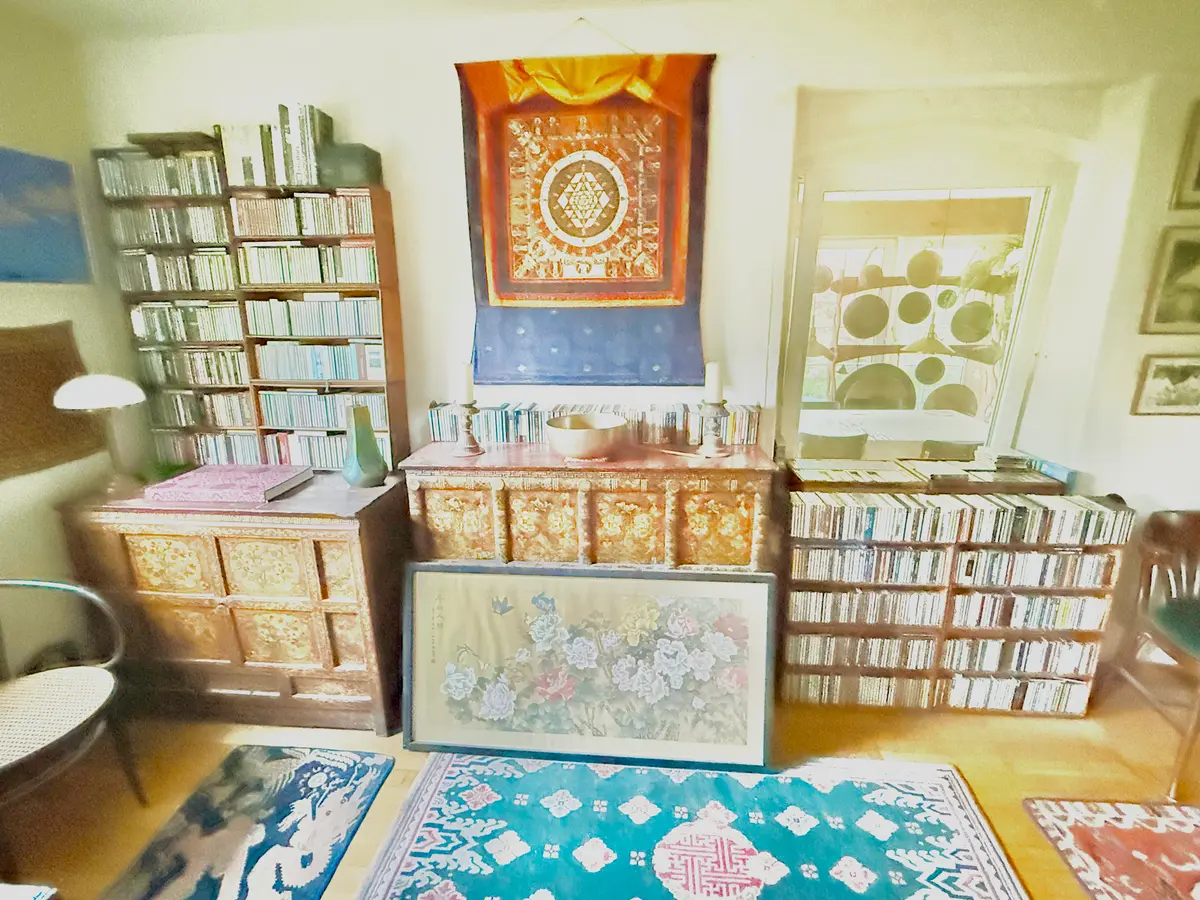
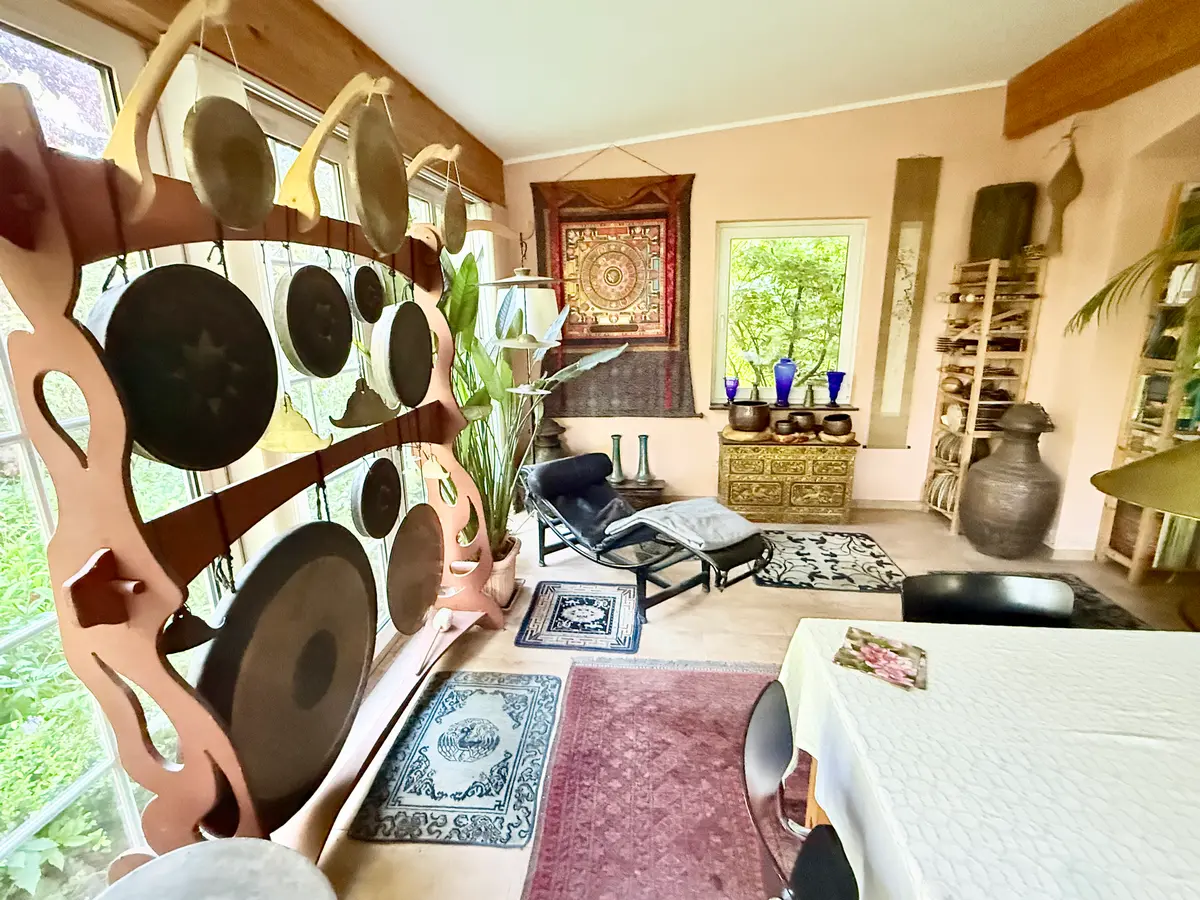
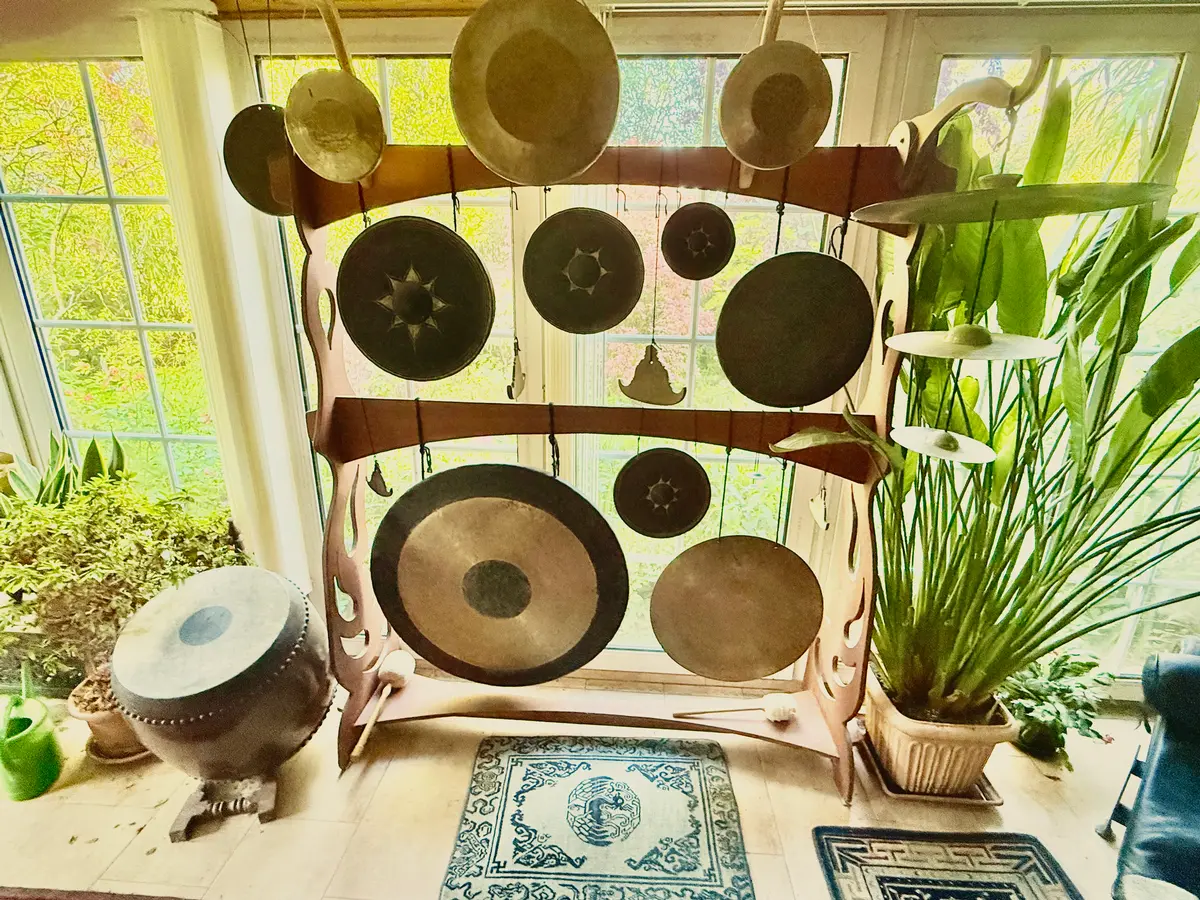
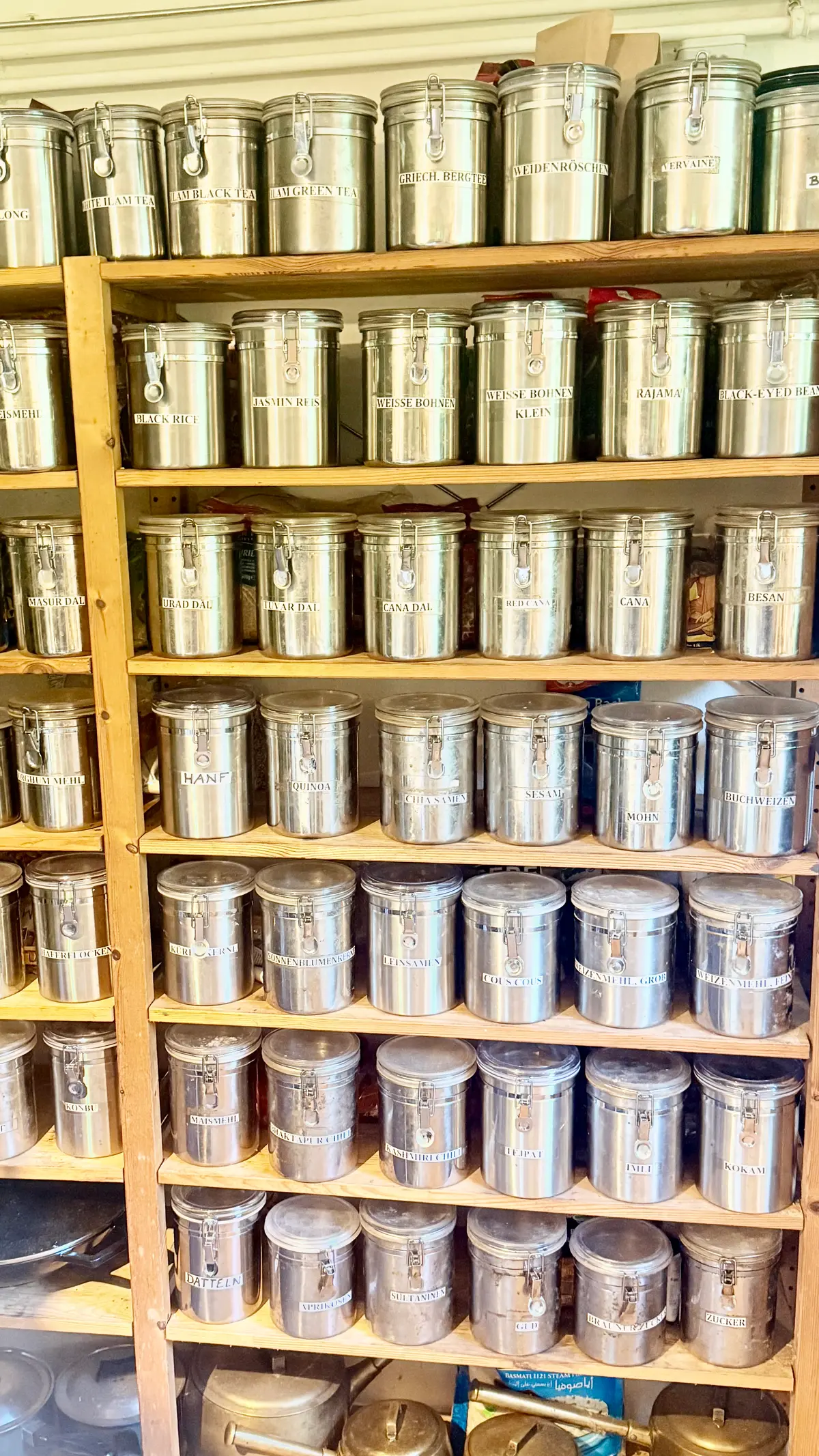
Following our railroad tour of Switzerland, Susan and I flew to Hamburg, Germany. From there, we took the train to the flat, windy, agrarian Western side of Schleswig-Holstein, Germany’s northernmost state. Gert is retired and lives in a converted farmhouse in a small farmers’ village. His house is like a Nepali museum, filled with thankas, carpets, artwork, and musical instruments. He is a gourmet cook with an amazing kitchen supply of oriental spices. Our vegan meals were amazing. Gert and I had hours to reminisce about our early travels together. Last November, Susan and I visited Nepal, where I met the Nepalese director of the music school that Gert founded. But that’s another story.
I took the photos below in Gert's amazing house, which showcases his many years in India and Nepal coupled with his lifelong music studies.
After two days with Gert in western Schleswig-Holstein, we took the train to Kiel. I had visited Kiel over ten years ago. In the meantime, Kiel has been renovated and experienced a construction boom. I have many old friends in Kiel. We were invited to social reunions on our two nights there.
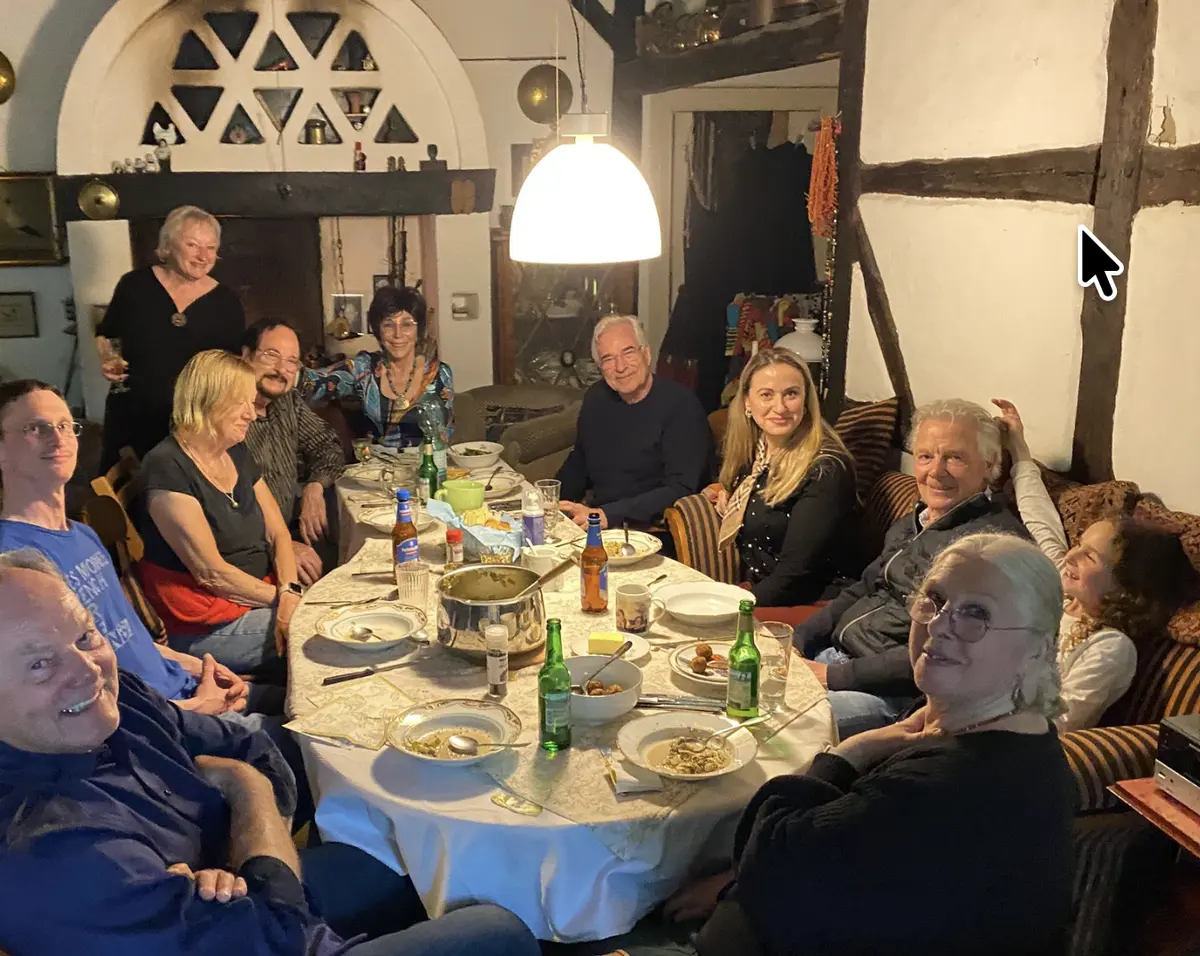
Readers of my previous Italy blog will remember my Norwegian friend Per, my “captain of industry.” Per joined my other friends for a festive evening together. Driving us back to our hotel, he showed us his company’s building. It was a new six-story building that holds Per’s seventy employees. His top-floor corner office views the Kieler fjord, which leads to the Baltic Sea. Kiel is where Per has lived for decades. I met him when he first arrived in Kiel in 1972.
Kiel is where Per has his factory to produce the fuel pellets according to the protocols of an exclusively licensed patent of a special biomass conversion technology. One of his companies markets his pellet-fueled industrial furnaces, designed to replace the oil-burning traditional furnaces. The oil-burning furnaces are disconnected, and his biomass pellet furnaces simply hook up to the buildings’ existing heating distribution pipes, providing clean energy in Germany, where all petroleum is imported from the Gulf petro-states.
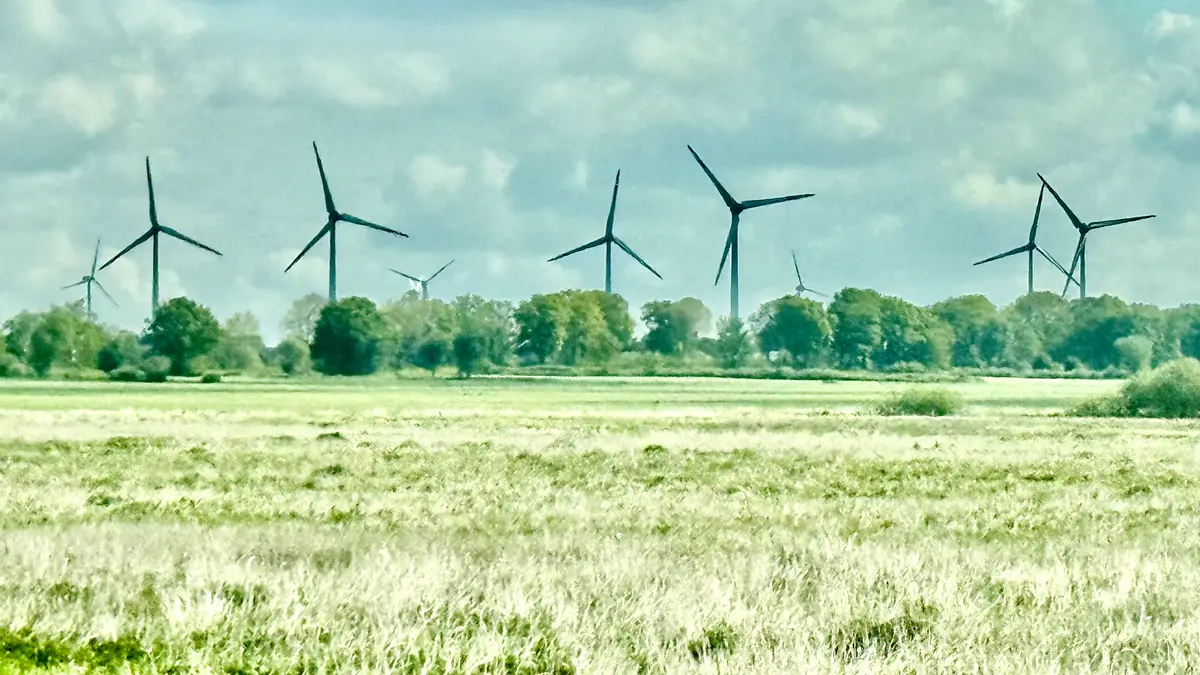
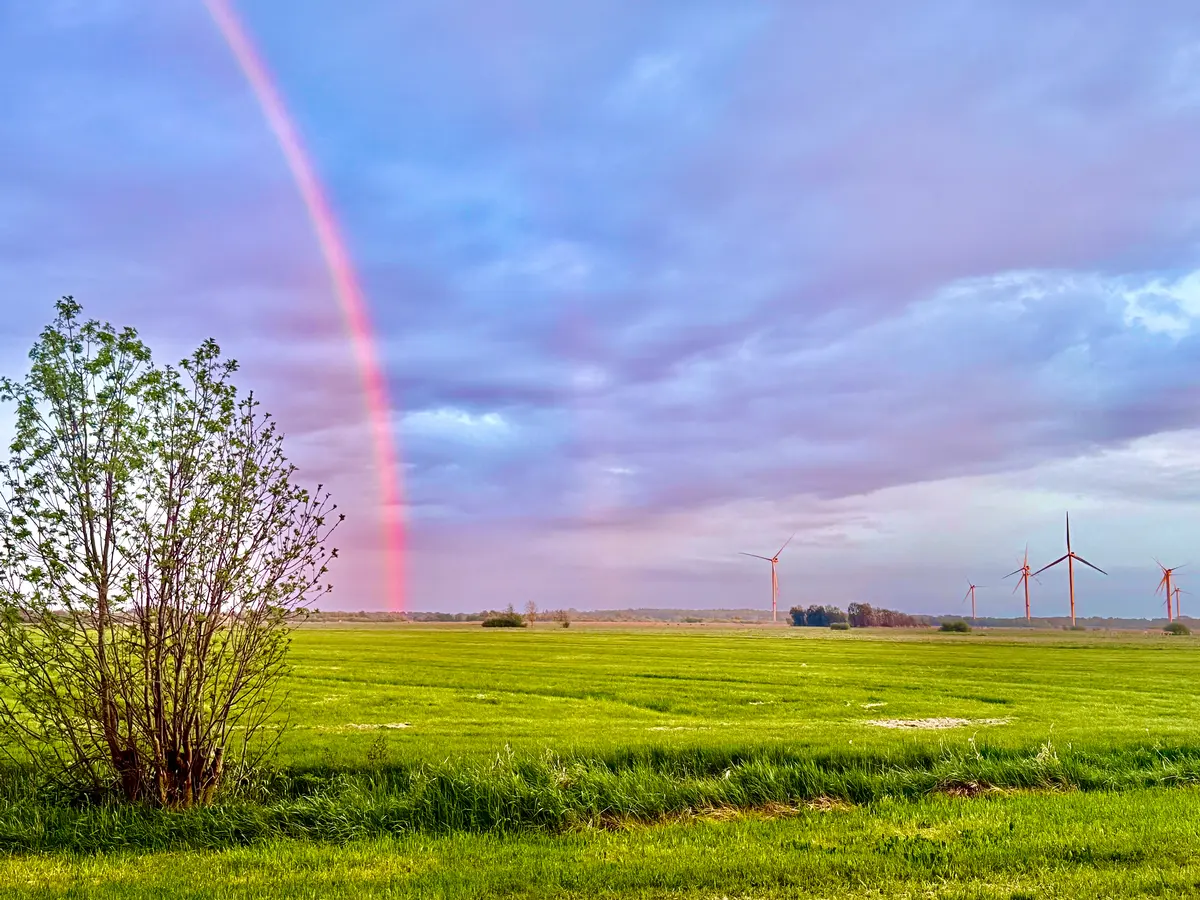 A rainbow graces the farmers' fields and the windmills as seen from Gert's house
Germany does not have any petroleum reserves of its own. Thus, the demand for “alternative” energy sources, such as windmills, is high. Solar panels are also widely installed. Every watt of electricity produced by wind and solar reduces the need to import oil from the Middle East, which is currently embroiled in the Israeli-American war on Iran, leading to the blocking of oil tankers passing through the Strait of Hormuz. The entire world's economy has been disturbed by the Trump-Netanyahu attack on Iran. I hate to think of how long it will take the world to recover. The thousands of Iranians who lost family members will never recover.
Schleswig-Holstein probably has one of the highest concentrations of windmills in the world. On a windy day, those windmills produce all the electricity required by Schleswig-Holstein, with extra power delivered to the German electric grid. Among his many businesses, my Captain-of-Industry friend Per counts his windmill business as being the most successful of the many businesses he’s created (over thirty, he told me).
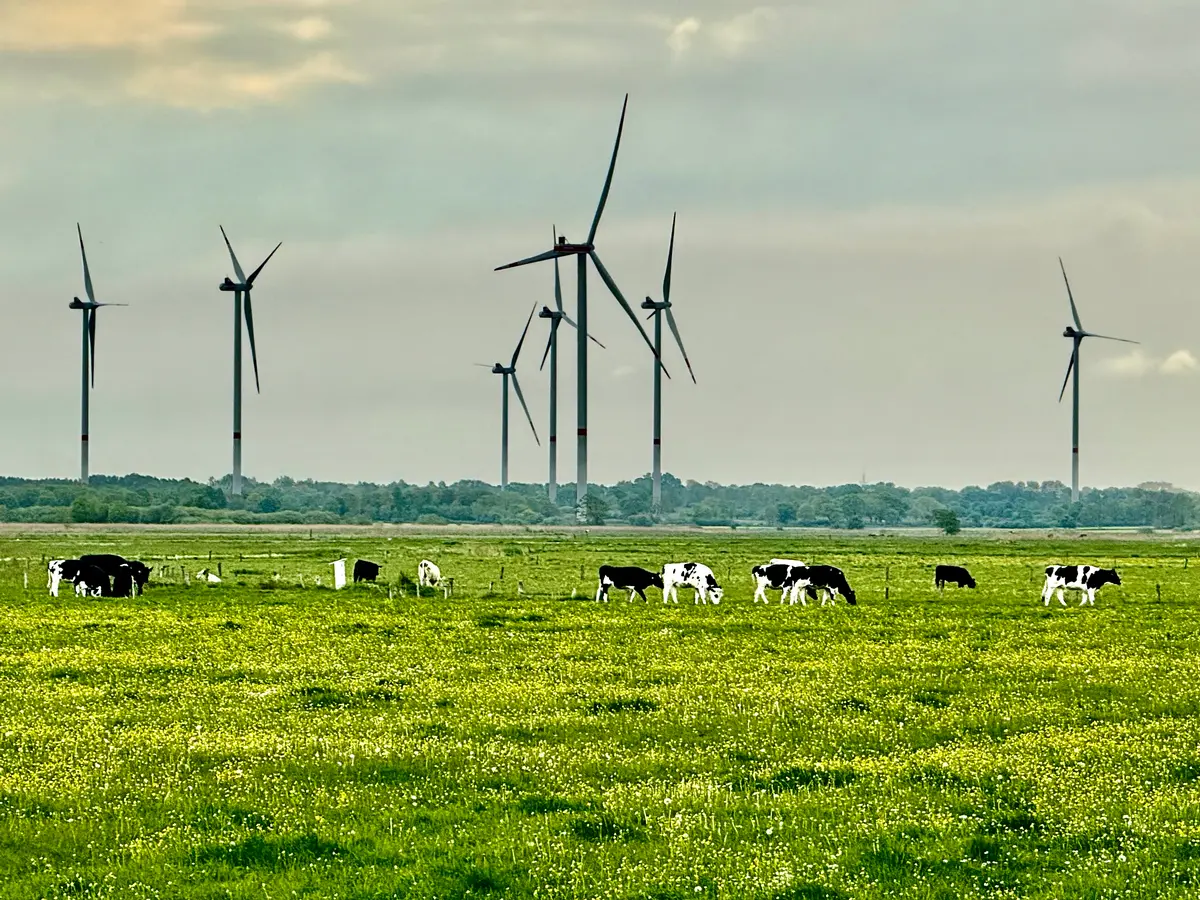
Schleswig-Holstein farmers earn money by licensing some of their land for windmills and large solar panel installations. Many houses in cities and rural areas have solar panels on their roofs. There is even a portable solar panel that one can set up temporarily on a balcony and provide solar-powered electricity to lamps inside the apartment.
Before Trump was elected, he told his petroleum executive friends that if they would give him a billion dollars, he would do everything to support their businesses. They paid him, and he’s done everything possible to oppose wind and solar development in the US in order to funnel more profits to the petroleum industries. Americans will have to live with increased gas prices and the pollution from the increased burning of fossil fuels. Europeans don’t understand how Trump could be so opposed to the development of alternatives to the burning of fossil fuels, which accelerates climate change and global warming. Personally, I don’t think historians will be kind to Trump for his actions.
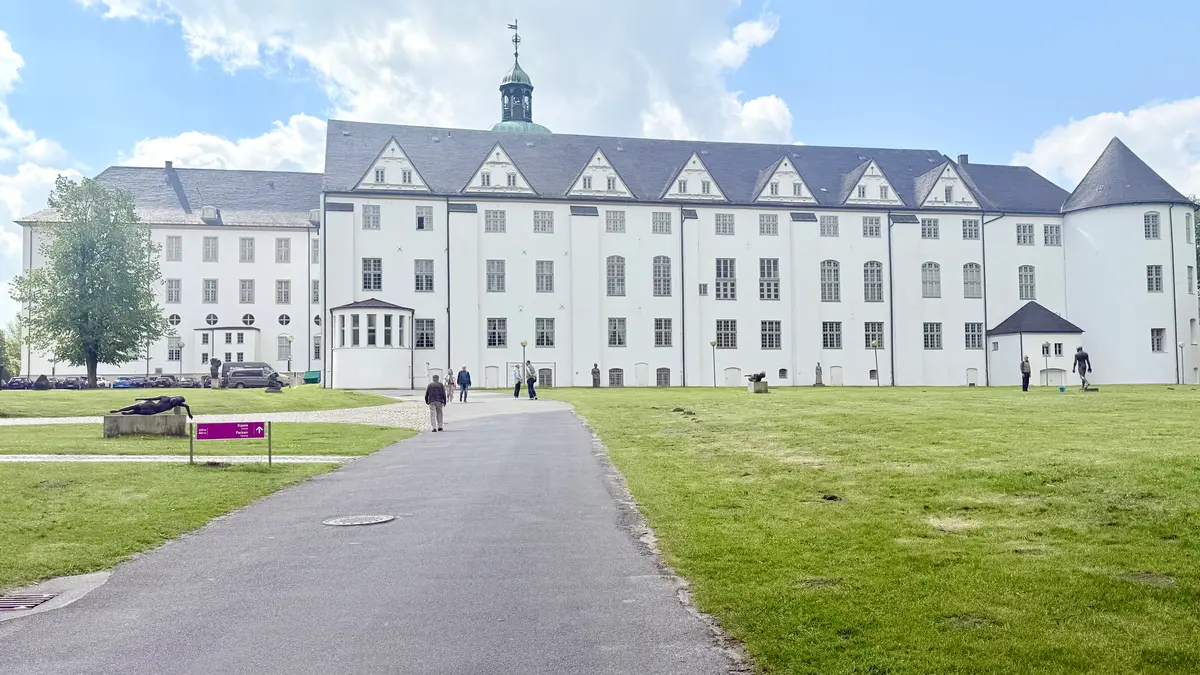
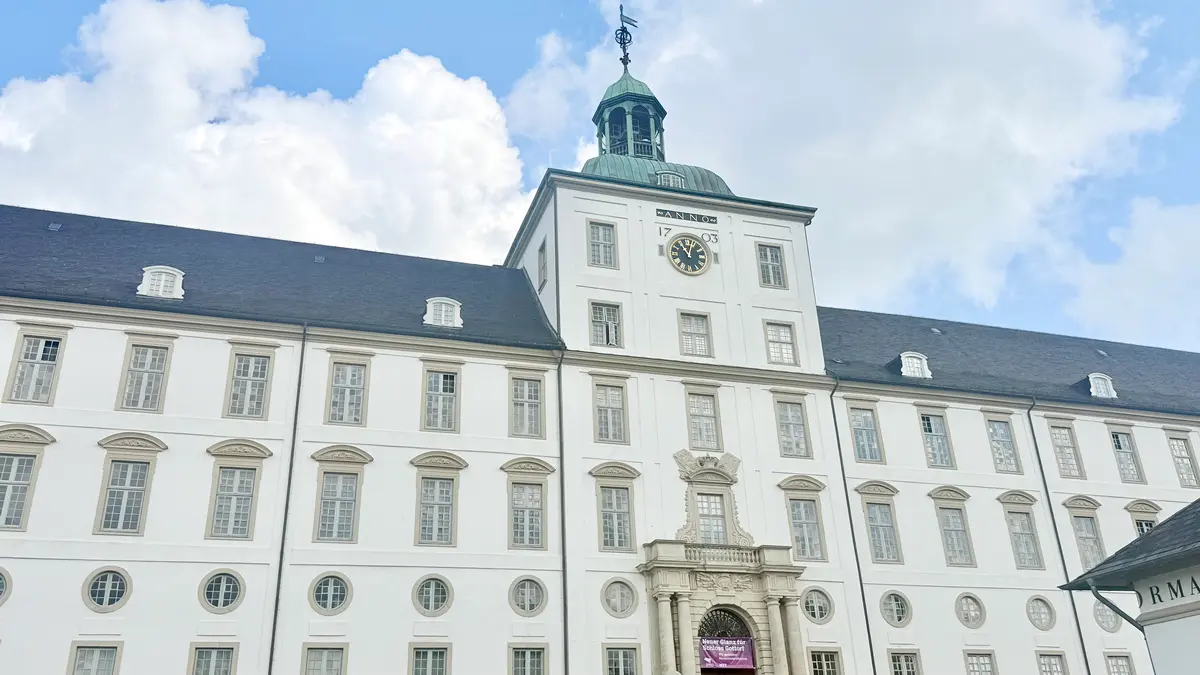
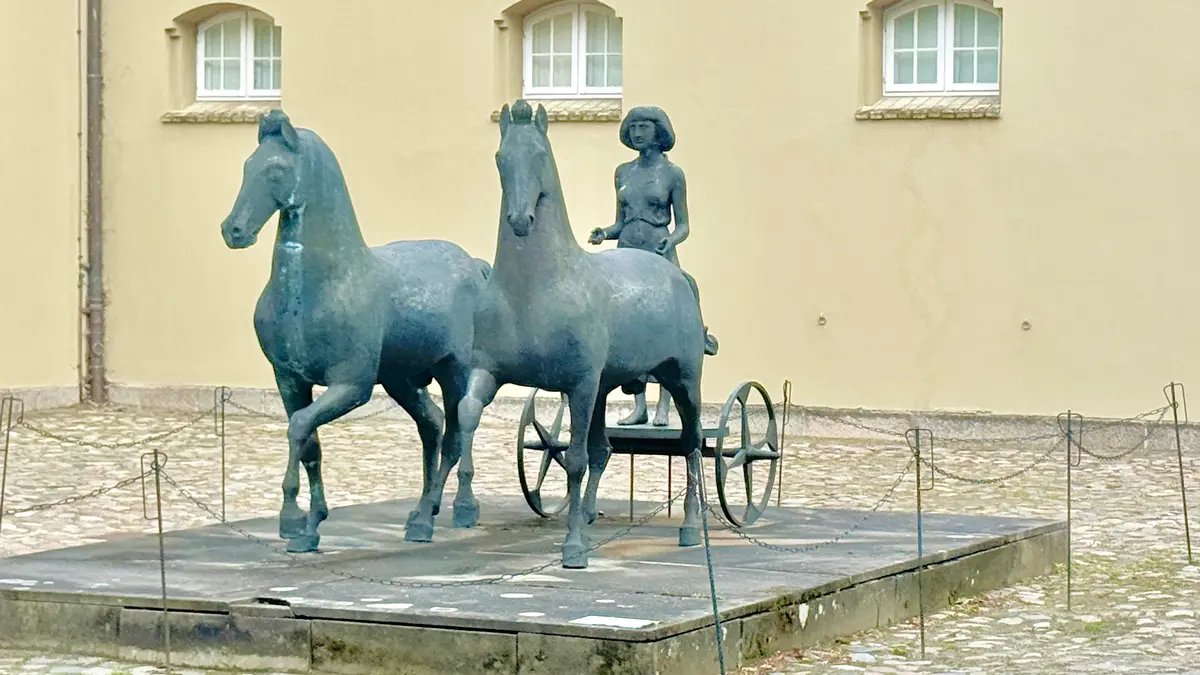
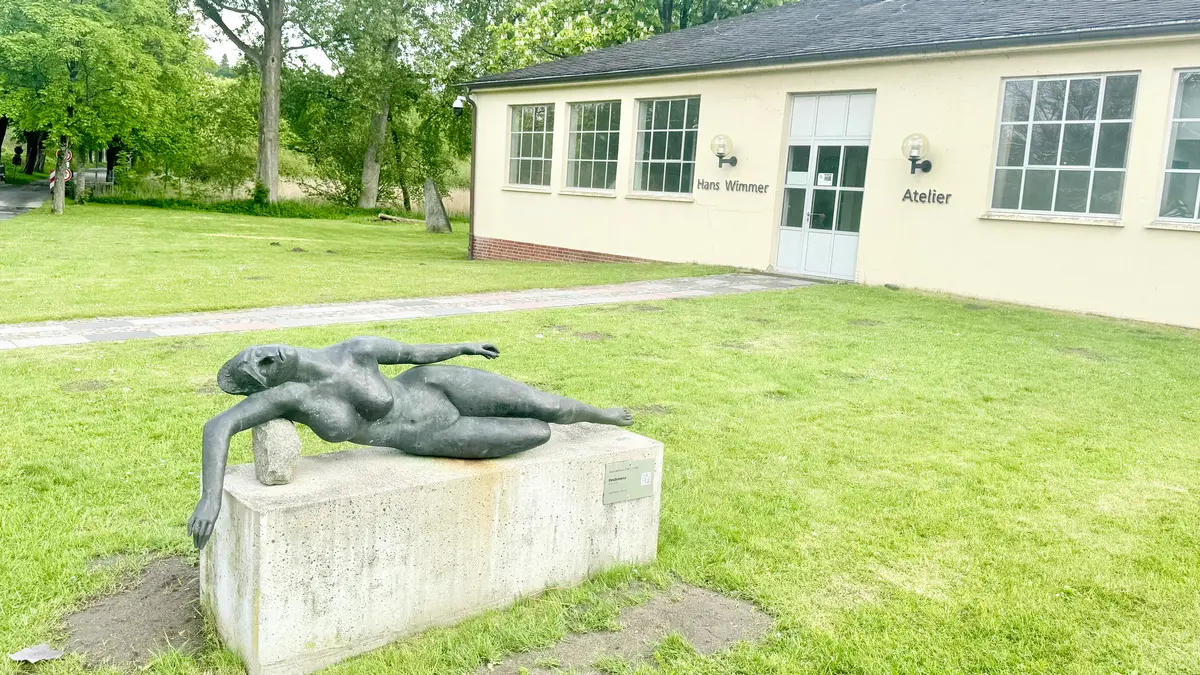
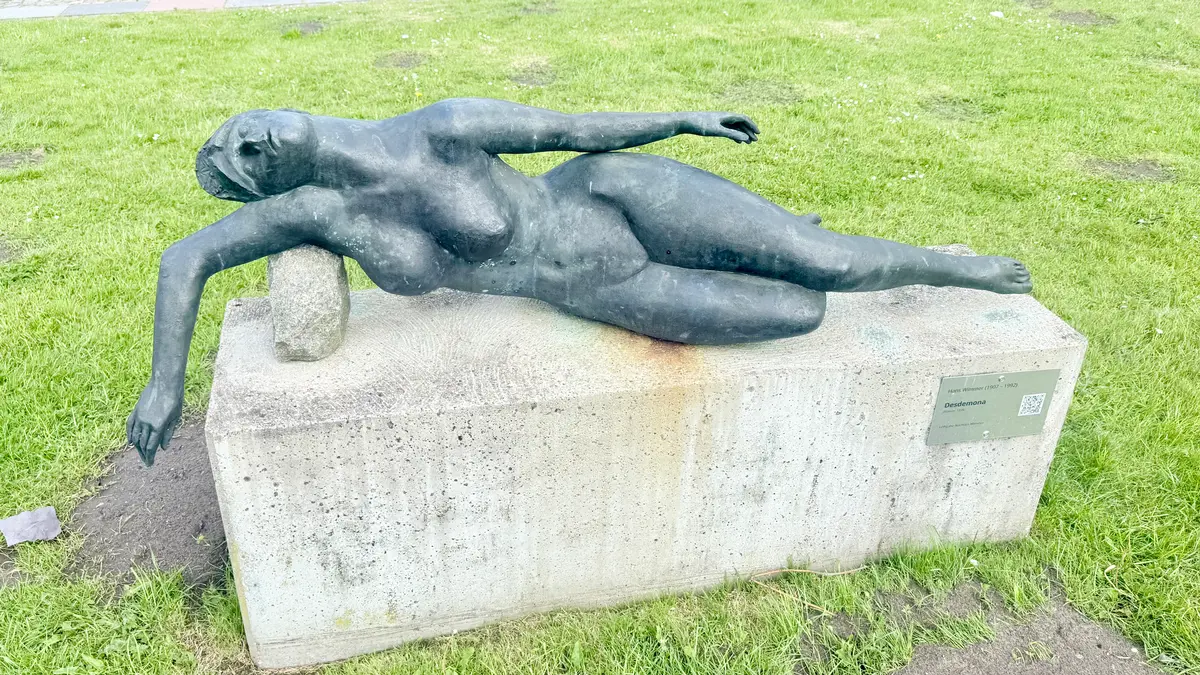
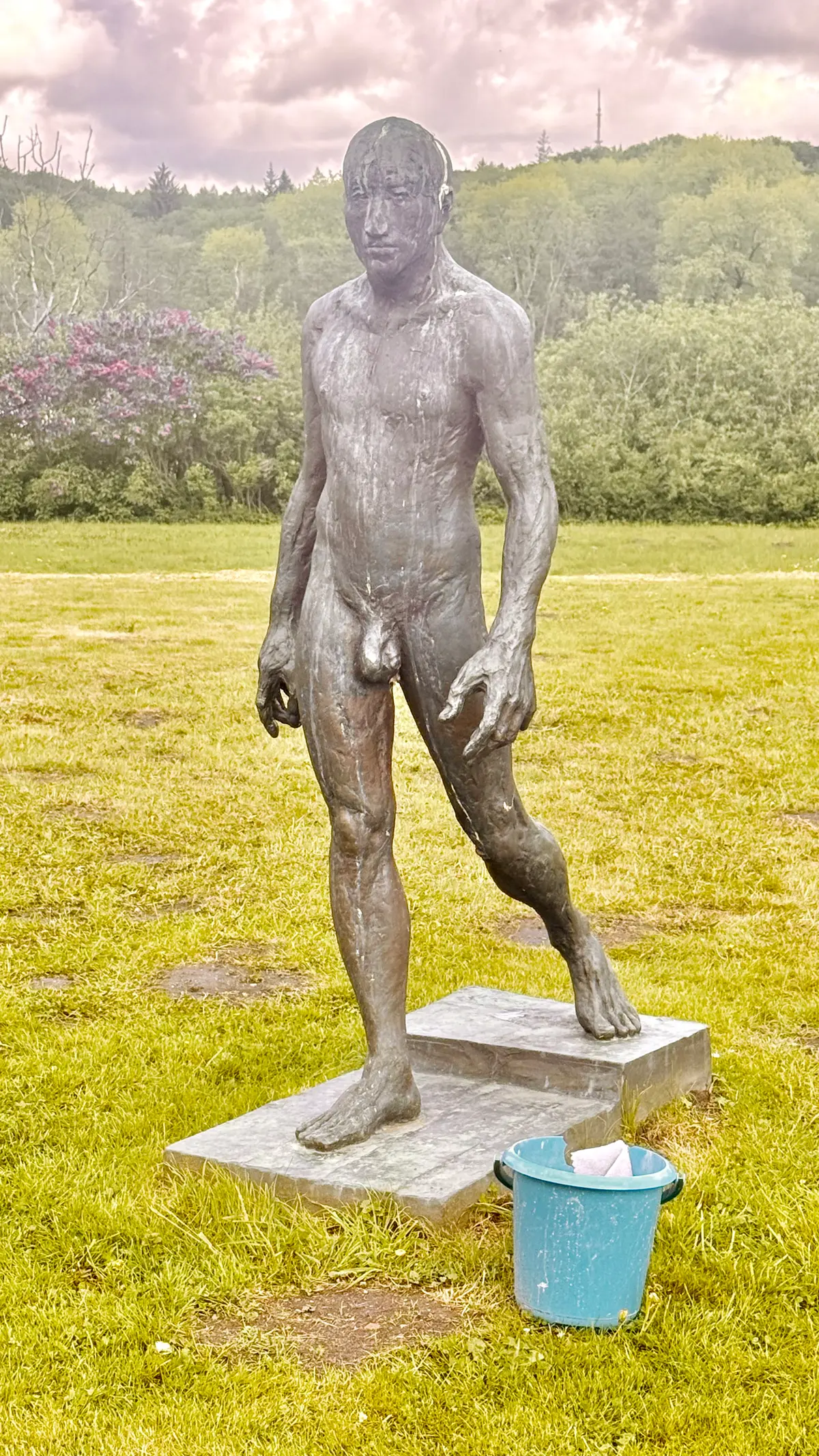
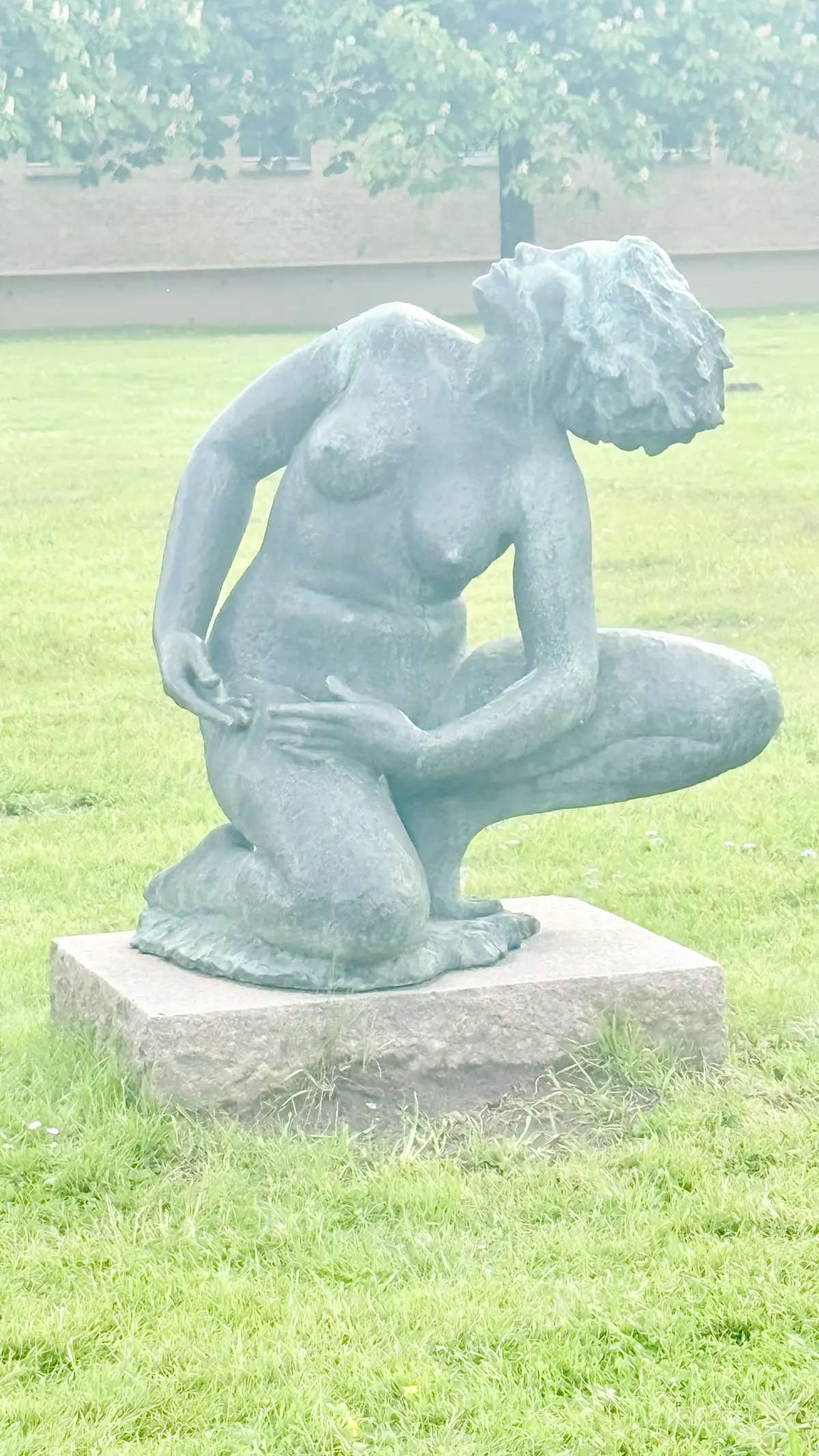
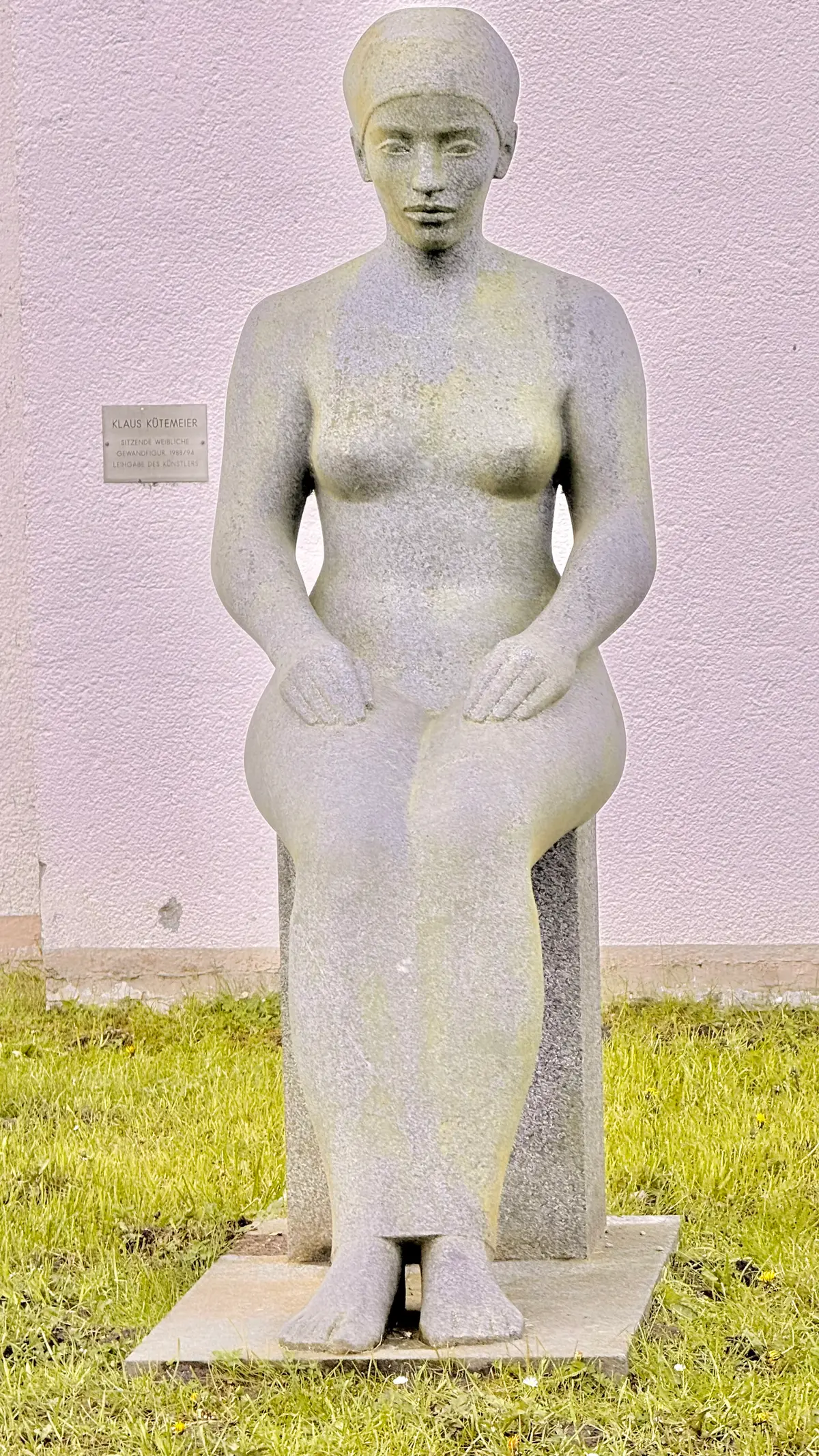
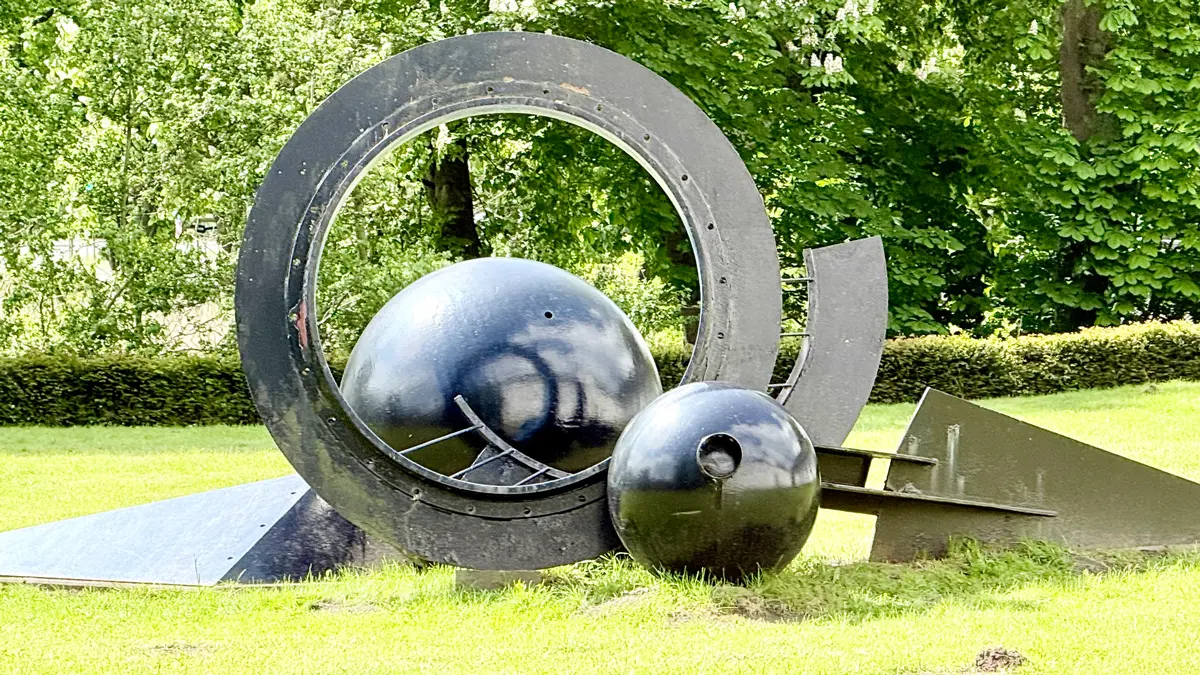
The sculpture photos below are located in the gardens of a 400-year-old Danish Gottorf Castle, located in Germany's northernmost state of Schleswig-Holstein. The castle is located only a few miles from the Danish border. This territory was ruled by Denmark at the time of the castle's construction. The castle was built between 1697 and 1703 by the famous Swedish architect Nicodemus Tessin the Younger. (Source Wikipedia)
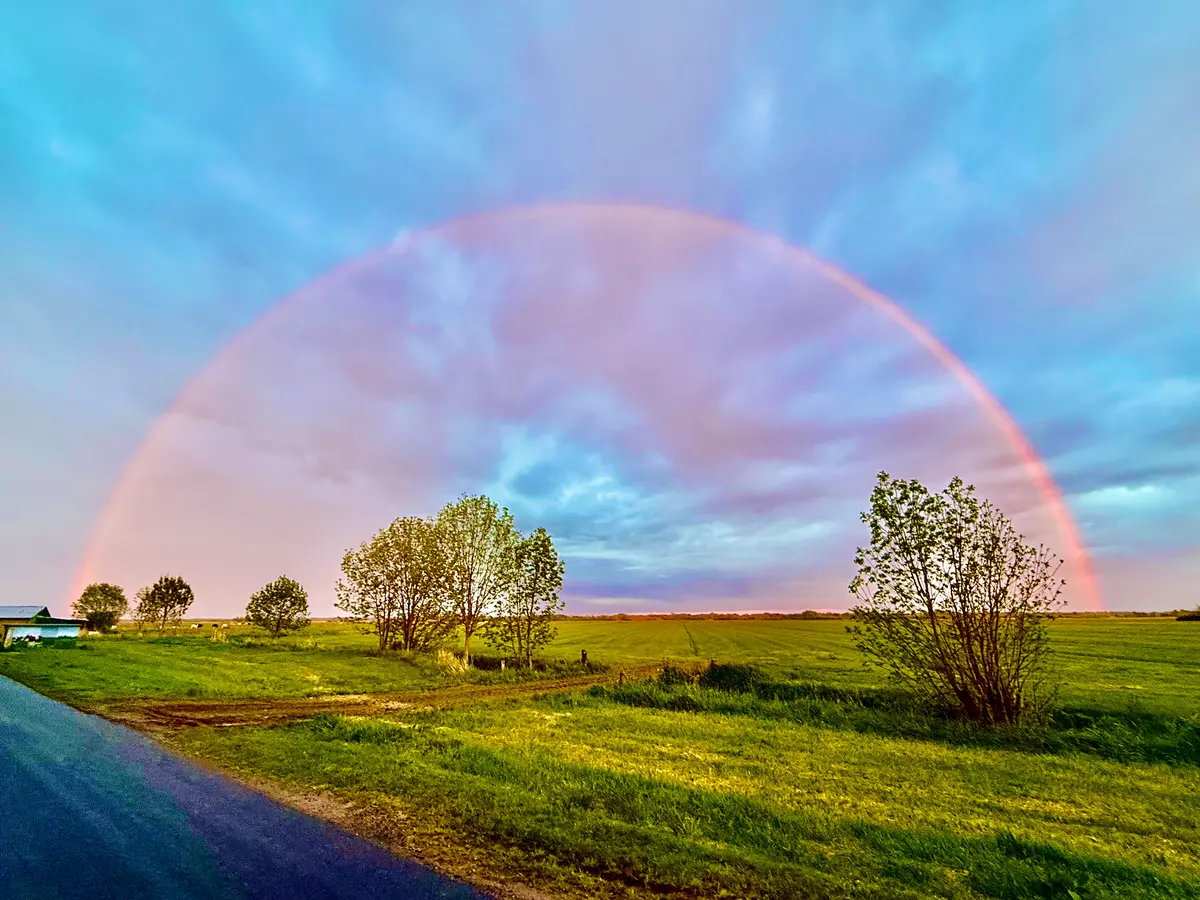
This was a very special moment to view this complete rainbow after the rainstorm. The photo was taken on the road that runs in front of my friend Gert's house in rural Schleswig-Holstein, Germany.