Vacation Week in a Villa in Southern Italy
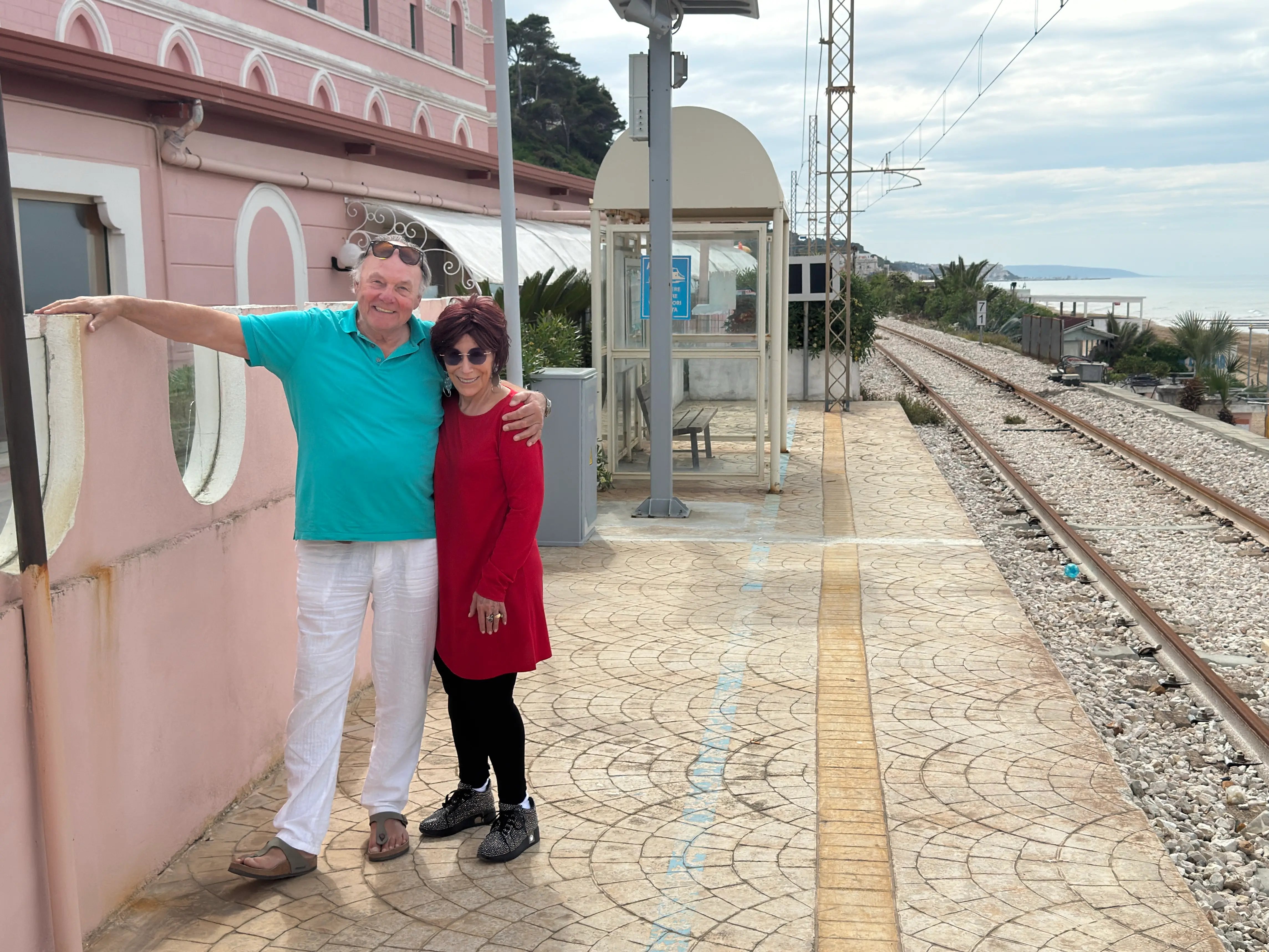
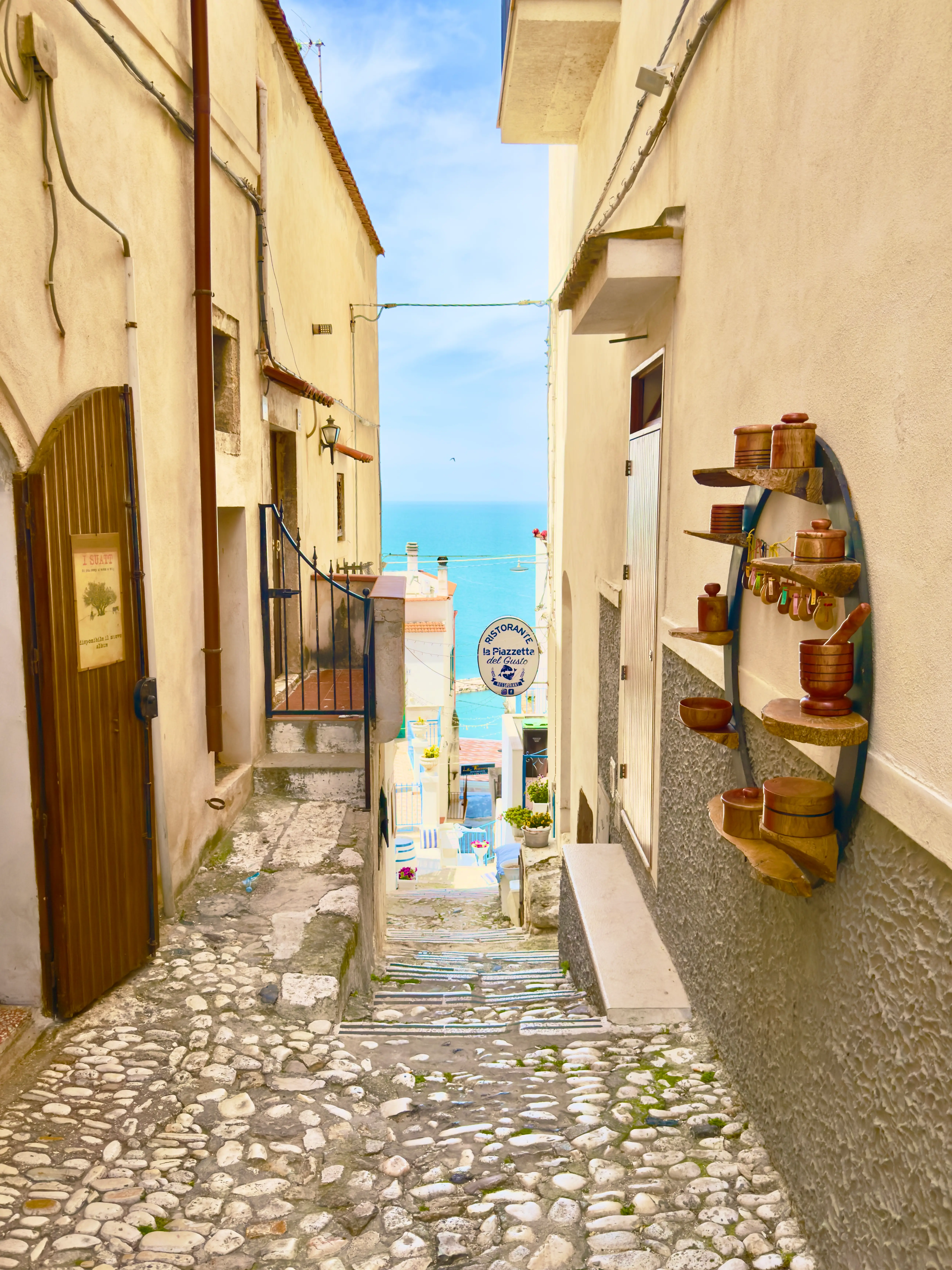
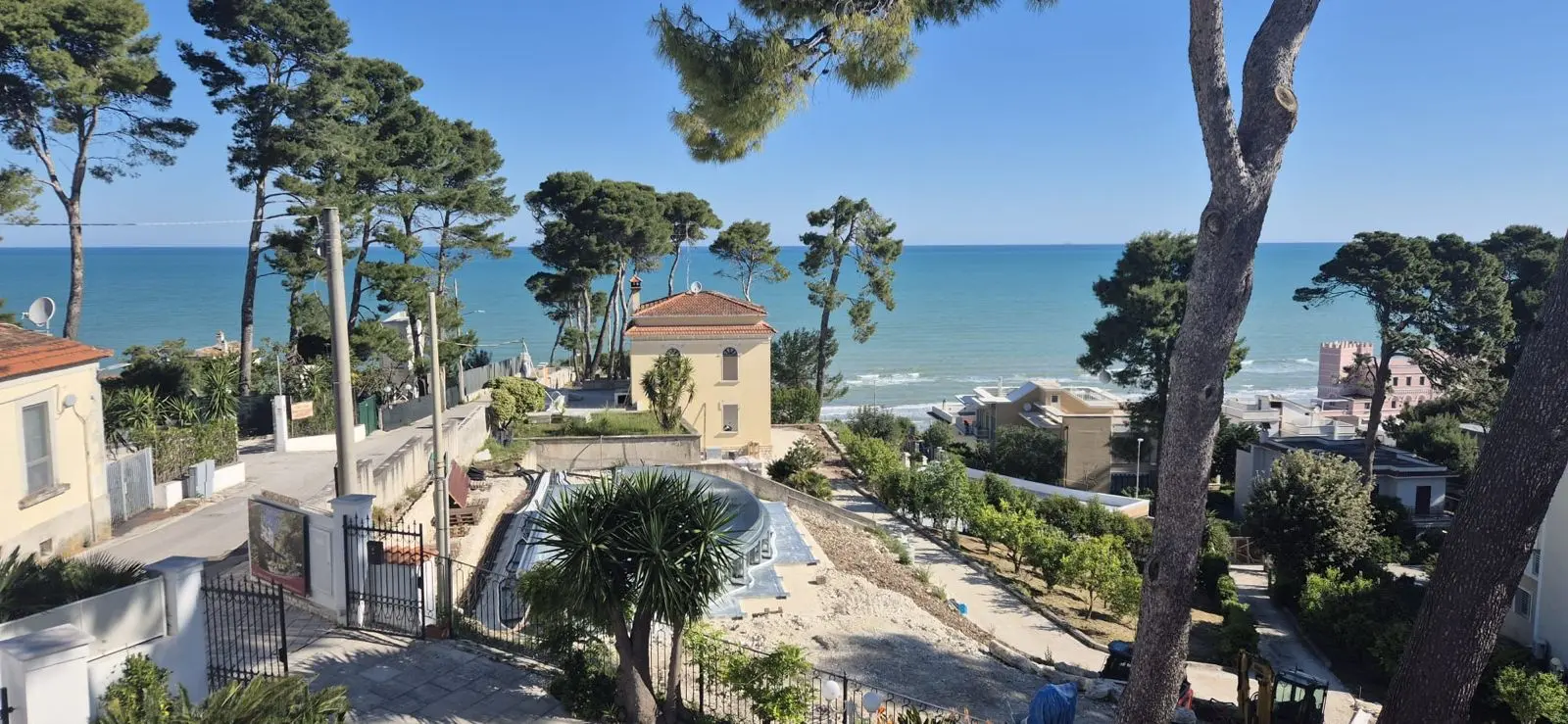
North of Bari, Italy, on the Adriatic coast, a villa in the village of San Maniao
Italy is a prime tourist destination with a great reputation. I can confirm that from my experiences this week. I find the Italian people to be friendly, open, and welcoming. The food is excellent. The landscapes and historic buildings are classic.
We have spent one week at a villa found by our travel companion, my Norwegian friend for over fifty years, Per. Per and I met in 1972 in Kiel, Germany, where I had lived and studied for a year. Per is a founding member of the Kieler Old Farts, our group of friends from that time who have met annually in different locations for the last two decades. It was anticipated that we would be a group of returning KOF members. Unfortunately, all the other Kieler Old Farts cancelled for various reasons except for Per, Susan, and myself.
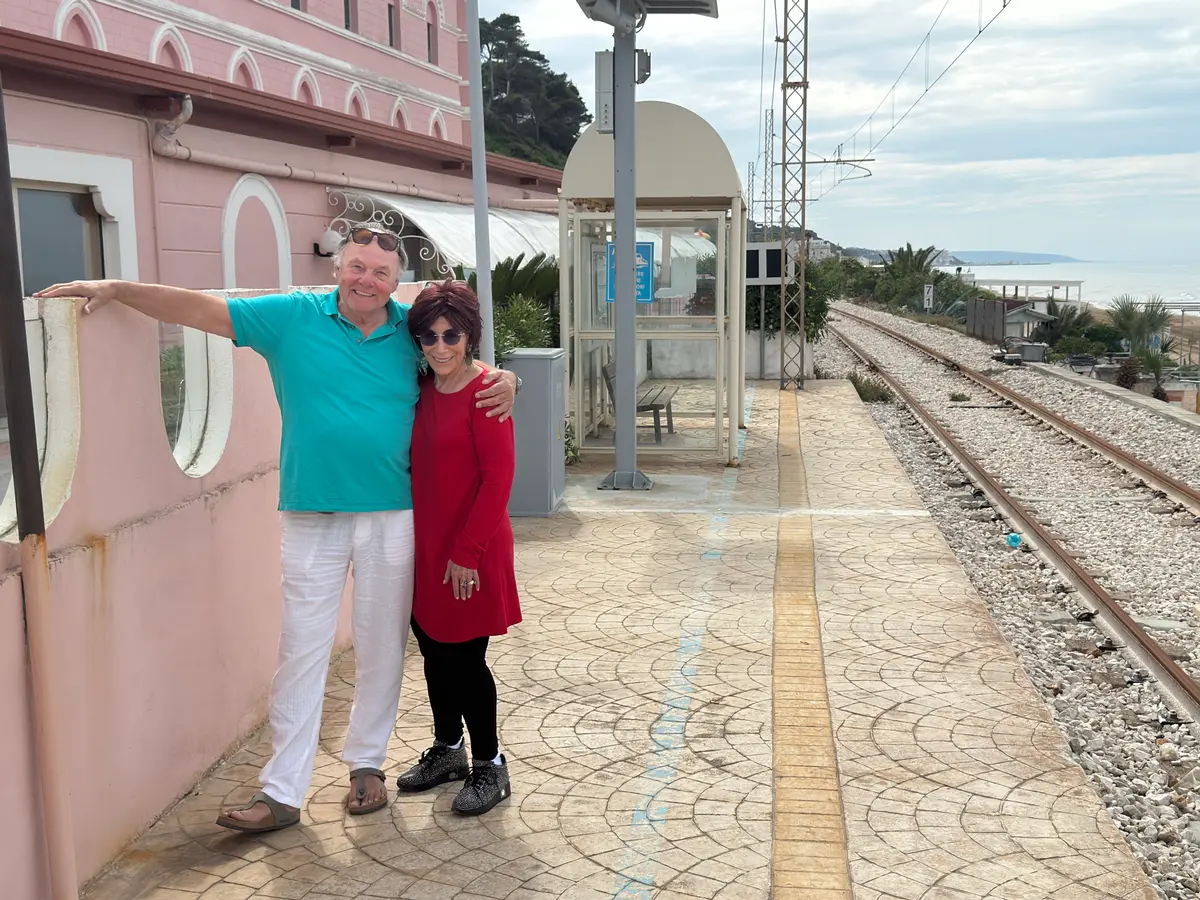
I call Per our “Captain of Industry.” He is a Norwegian by birth, but has lived in Germany for decades. He is a serial entrepreneur, having founded approximately thirty companies in his career as an an energy specialist. His most lucrative company is his windmill company. (Windmills are a growth industry in Germany.) He holds the European license to a new technology that converts “biomass” (leaves, wood chips, grass, etc.) to pellets for furnaces. These biomass pellets are intended to replace fossil fuel furnace fuels. Per is 79 and still running his companies, though he’s slowly passing on the management to his managers.
Per is our chauffeur this week. He rented a Cupra...a Spanish-made car by a company owned by Volkswagon, that I had never heard of. It’s quite a good vehicle, and Per is a good driver. He planned all our trip including researching our sightseeing drives in advance.
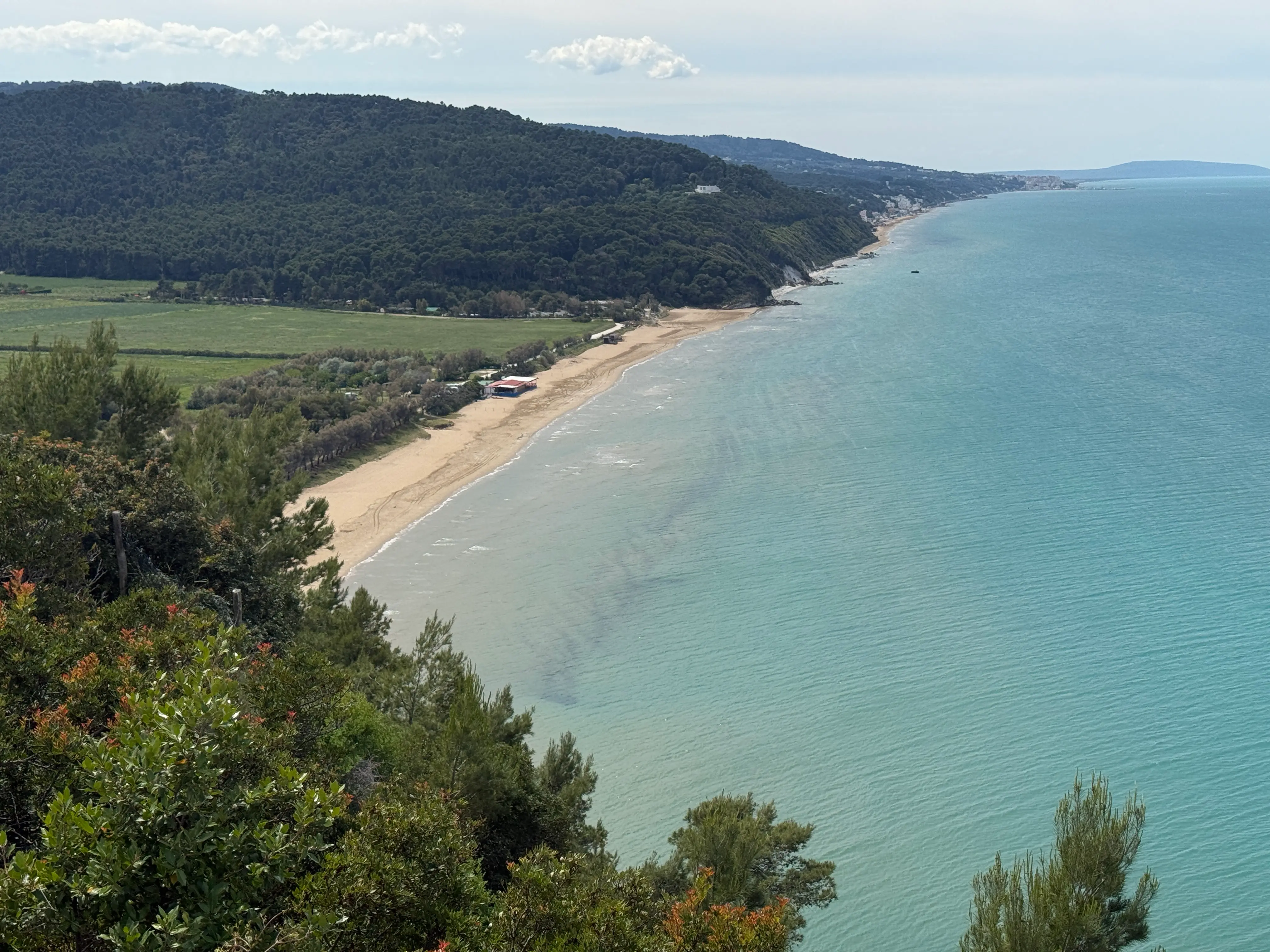
Look at a map of Italy. On the eastern Adriatic coast you’ll a bump/bulge in the coastline. That’s a mountainous area that includes a national park in the forested mountains. This is the region where we have spent our week.
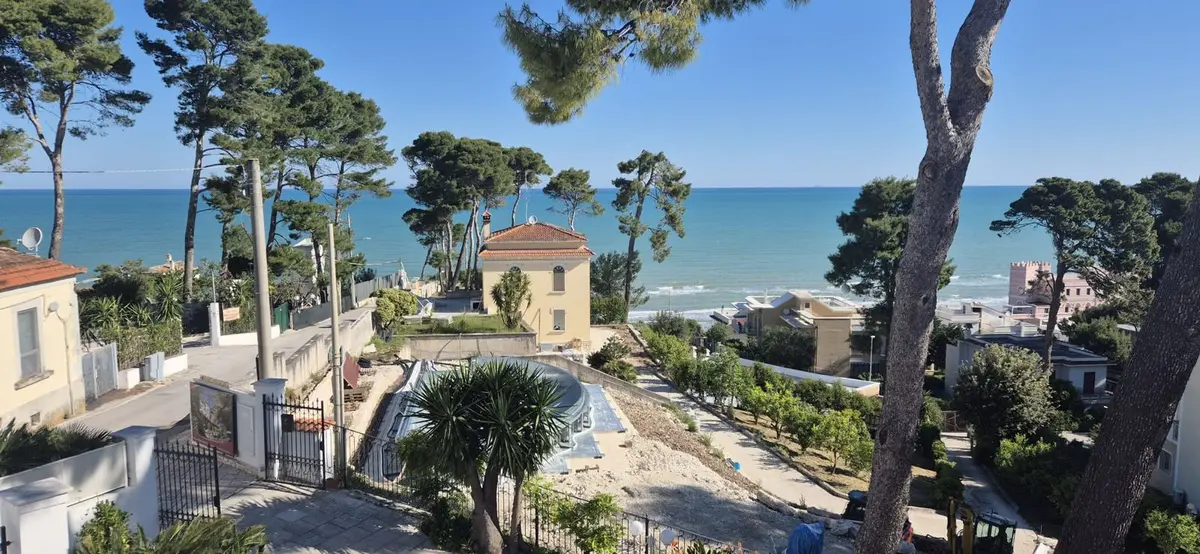
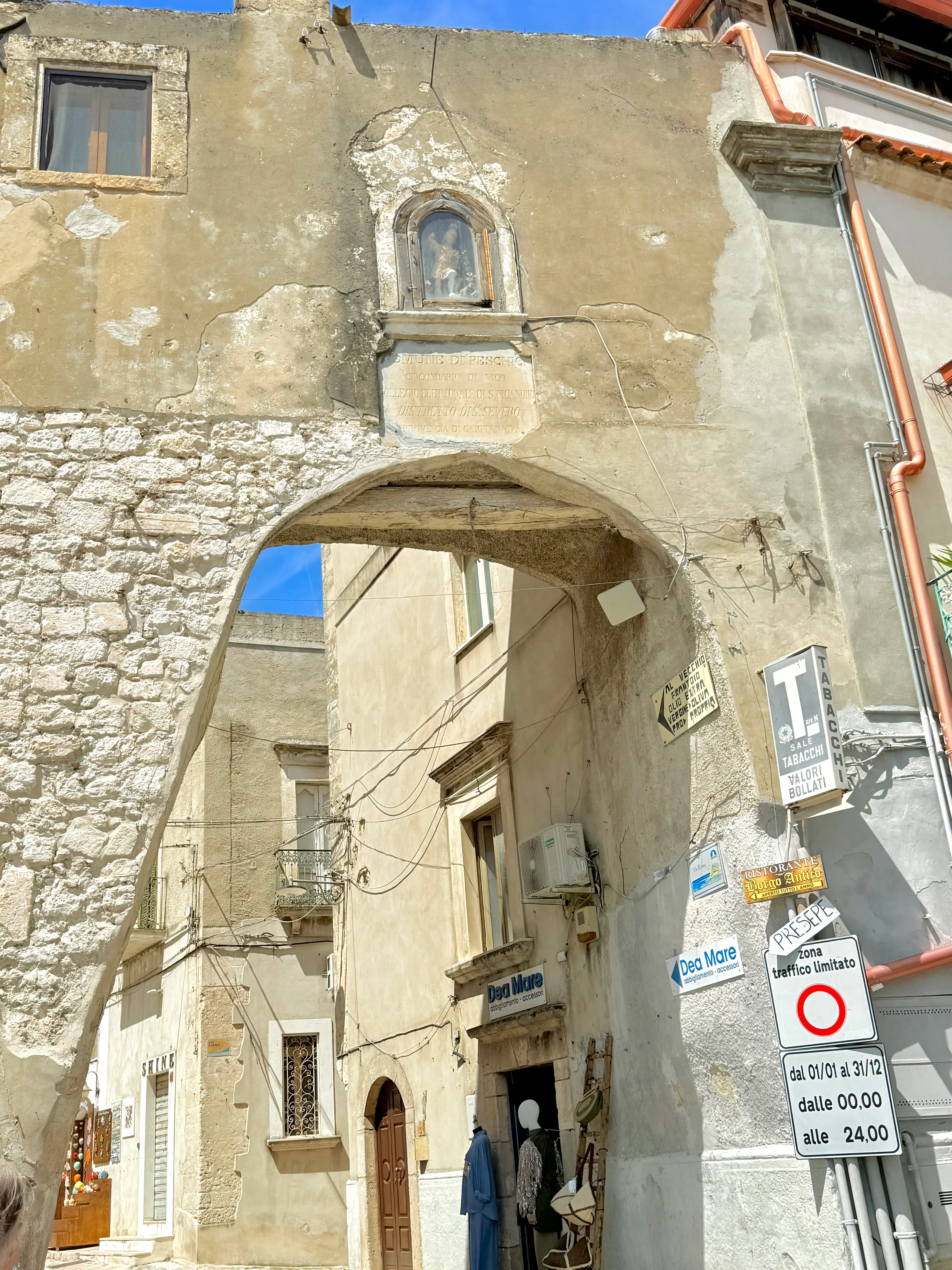
Per found the lovely villa in a small village on the coast. It is located a two hour drive north of the city of Bari on the southern Italian Adriatic coast. This is not an international destination. In our week here, we have not encountered a single American tourist, nor another other nationality of tourists except Italians.
Indeed, the hotels and restaurants are just opening for the summer season after having been closed for months. It is a destination almost exclusively for Italians in the region. There are no menus in English. English proficiency among the local residents is limited. The waitress at breakfast had worked for a time in Germany, so I was able to speak German with her, but not English. I wish I could speak Italian. However, I can understand simple Italian due to my study of Spanish, which is similar to Italian in many words.
Susan and I flew Lufthansa Airlines via Munich to Bari. Landing in Munich, I could see precisely delineated farmers’ fields, the epitome of German organization. Landing in Bari, it was notable that the fields were not so meticulously delineated. For me this was an illustration of the difference between German and Italian mentality. Per and I have had interesting discussions about different national mentalities.
Italians and Americans are more open and relaxed than Germans, French, and Scandinavians. Part of this is due to the languages. German, French, Swedish, etc., have a stronger tradition of formal and informal pronouns used to address friends versus strangers. (German: Sie/Du, French: Vous/Tu, Swedish: Ni/Du) American English has only “you” which avoids the linguistic/cultural barriers that are present in these other languages. (Old English used “thou” for the intimate relationships.)
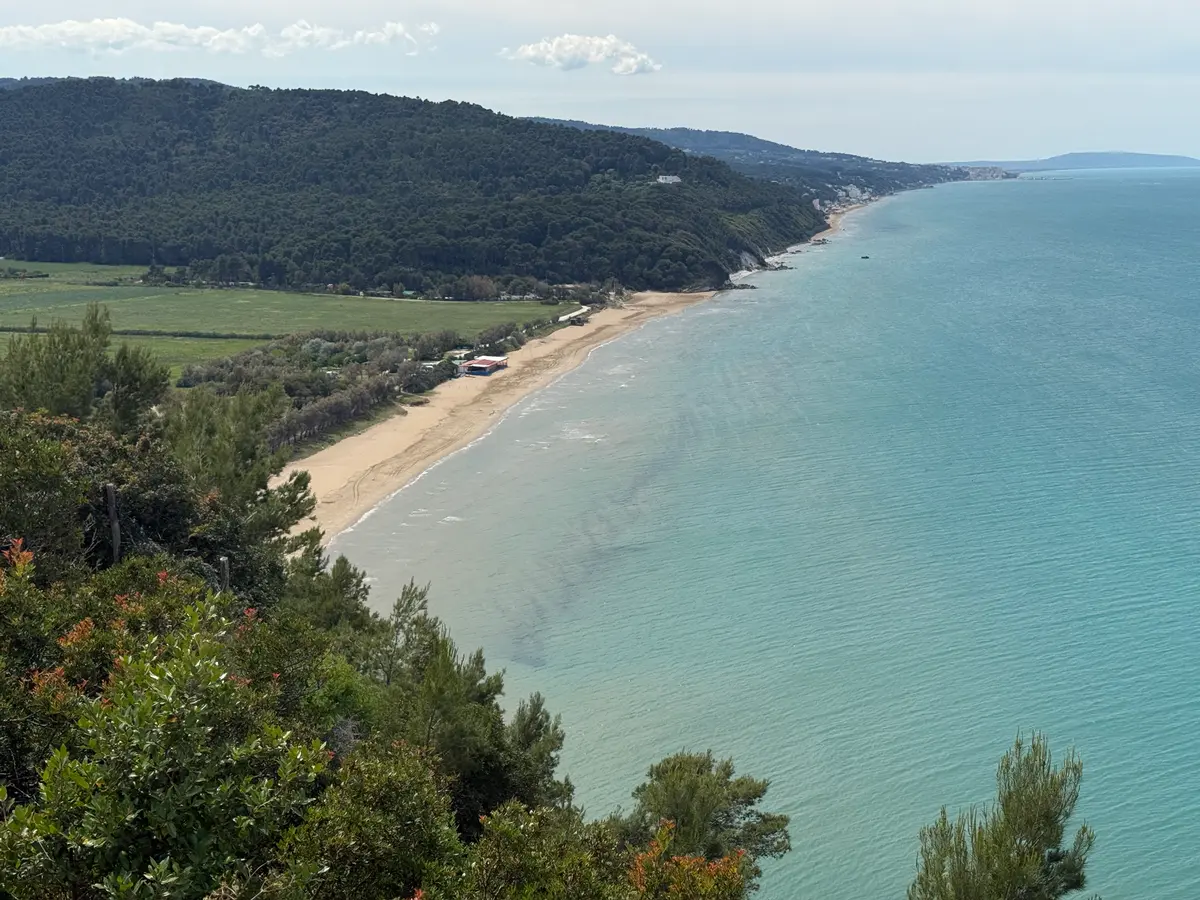
This landscape of southern Italy is very fertile. The flatter areas are filled with grape vineyards and olive orchards. The mountains are forest-covered and beautiful. Italian villages reflect the middle-age tradition of grouping all the housing together. Thus there are very few isolated single-family homes near the villages. This is a huge difference from the American tradition of individual houses on separate privately owned lots. Most city dwellers live in apartments. This makes a clear separation between the urban buildings and the agricultural areas surrounding the cities and villages.
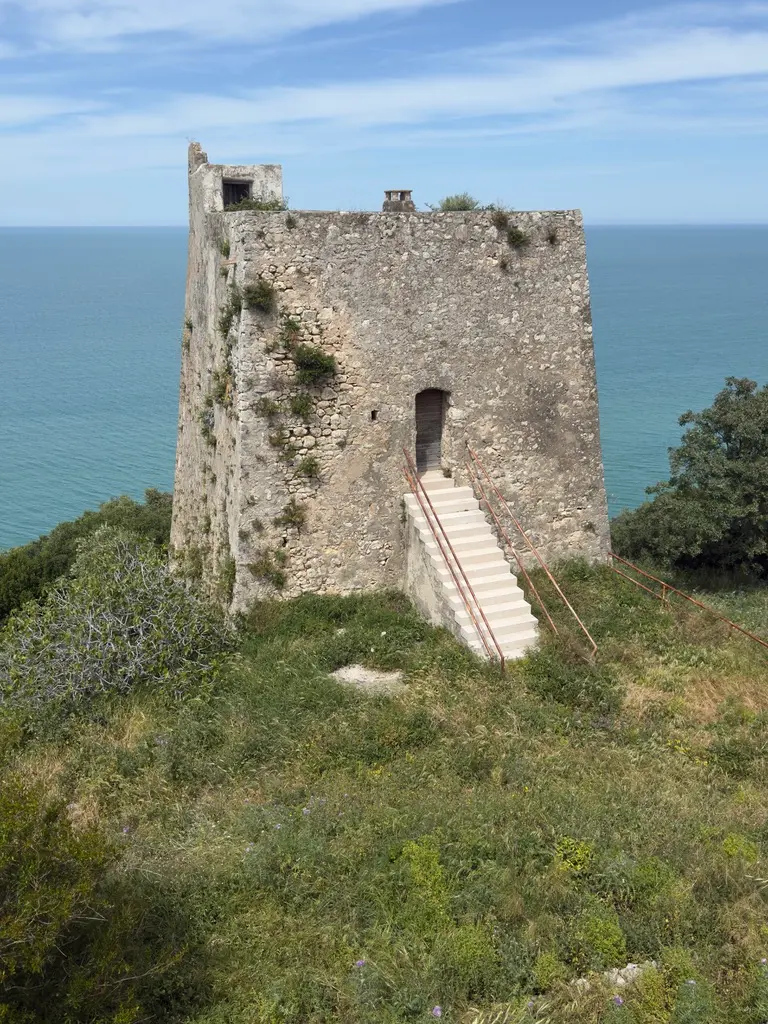
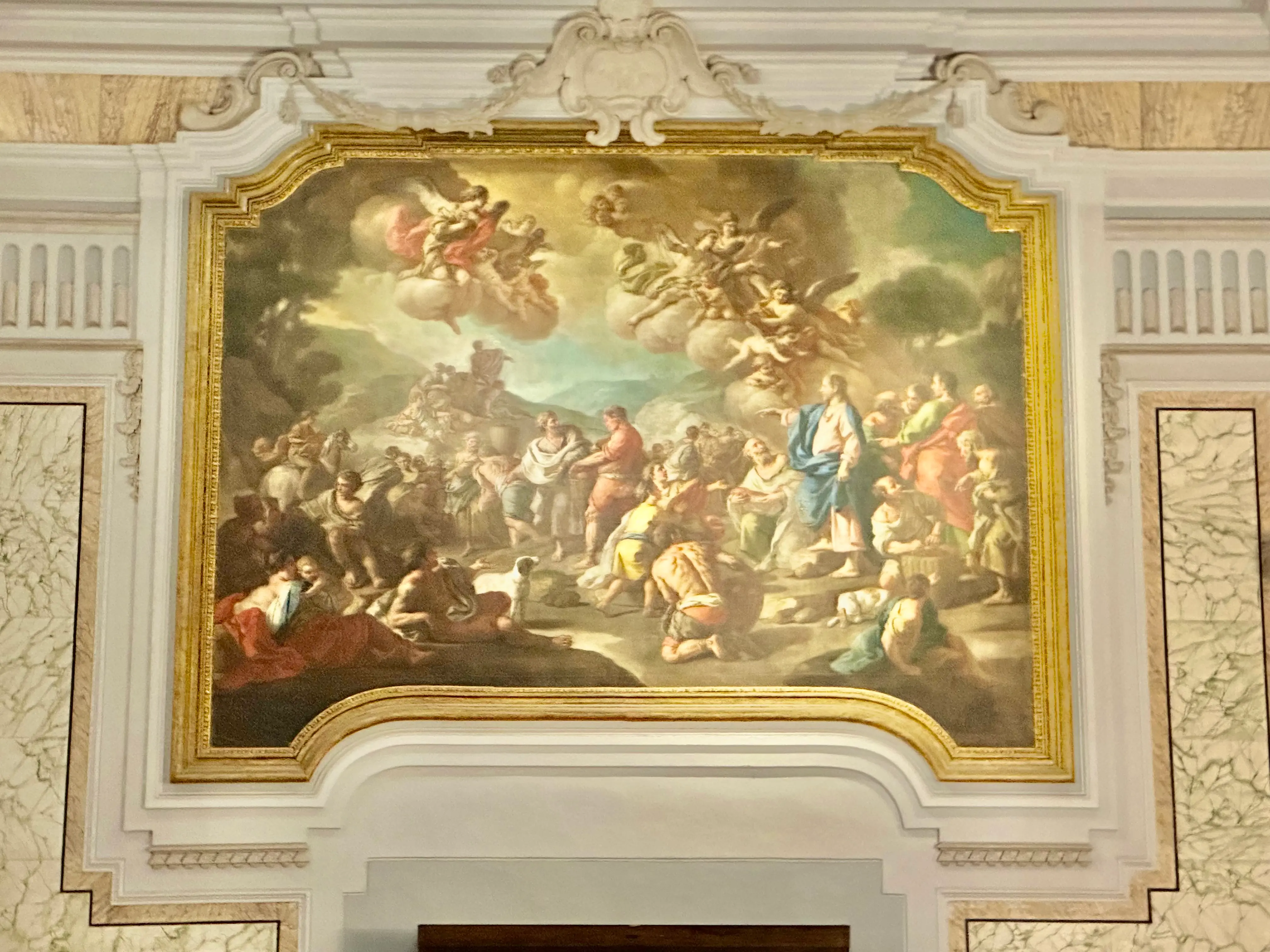
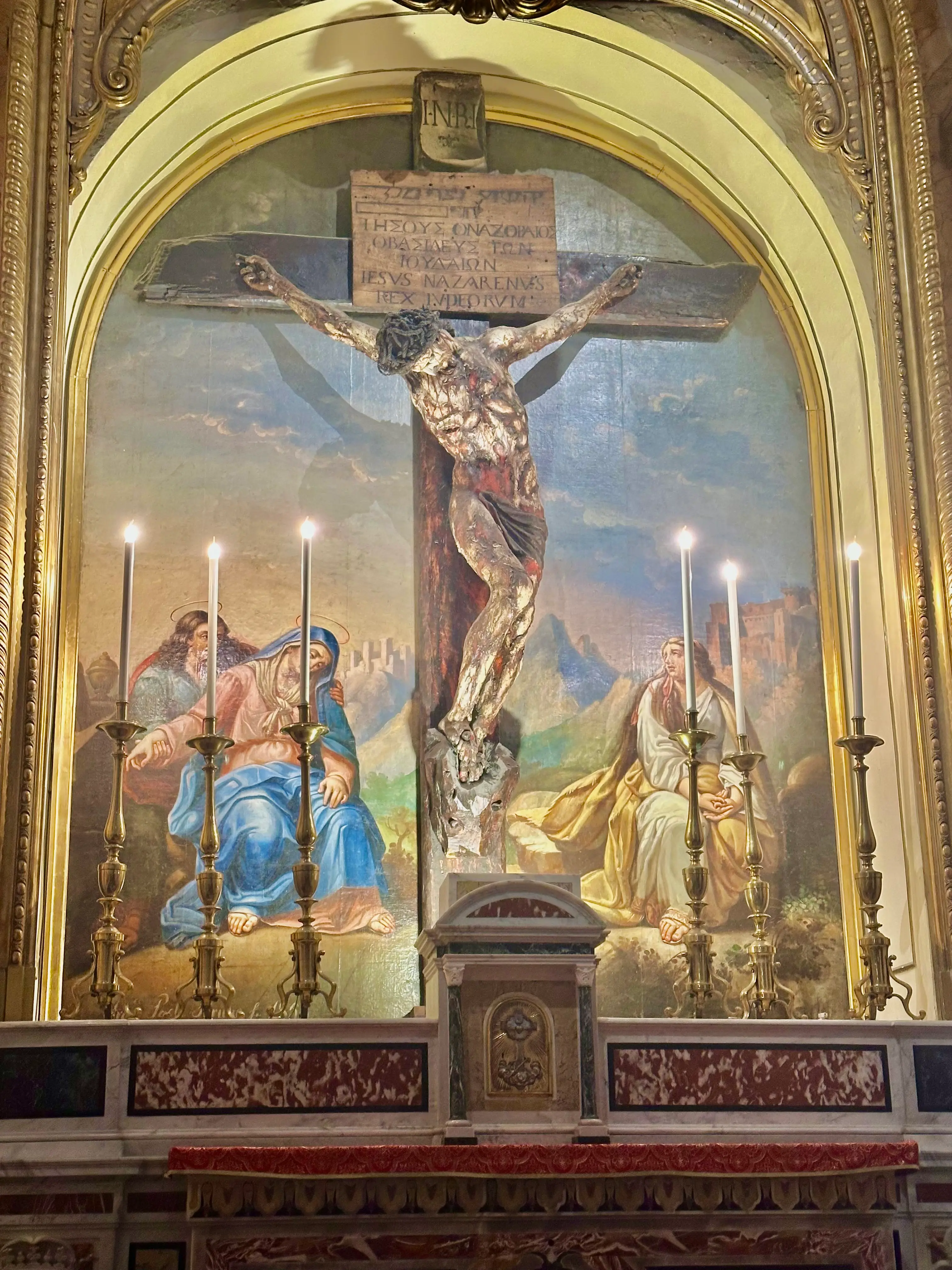
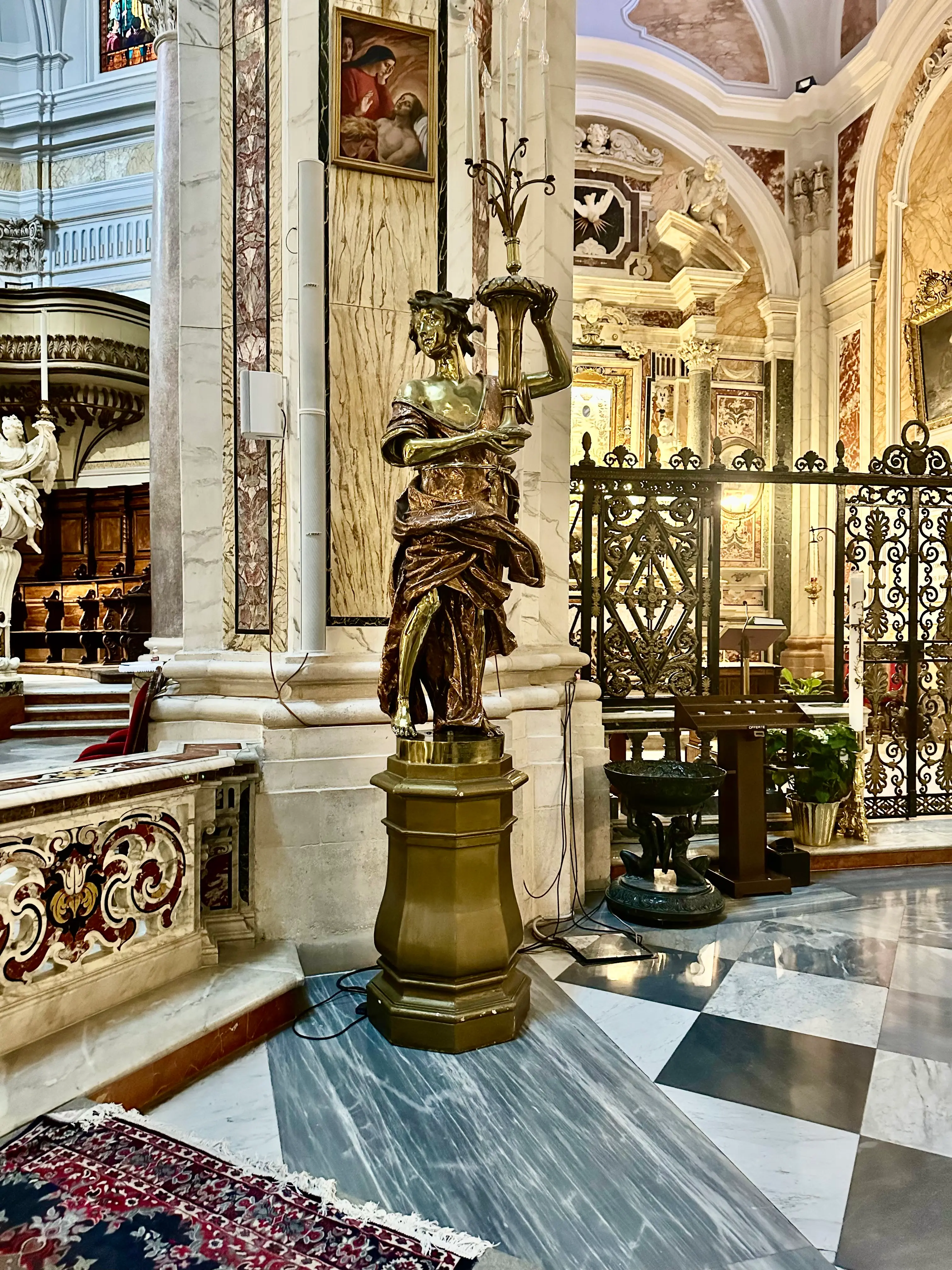
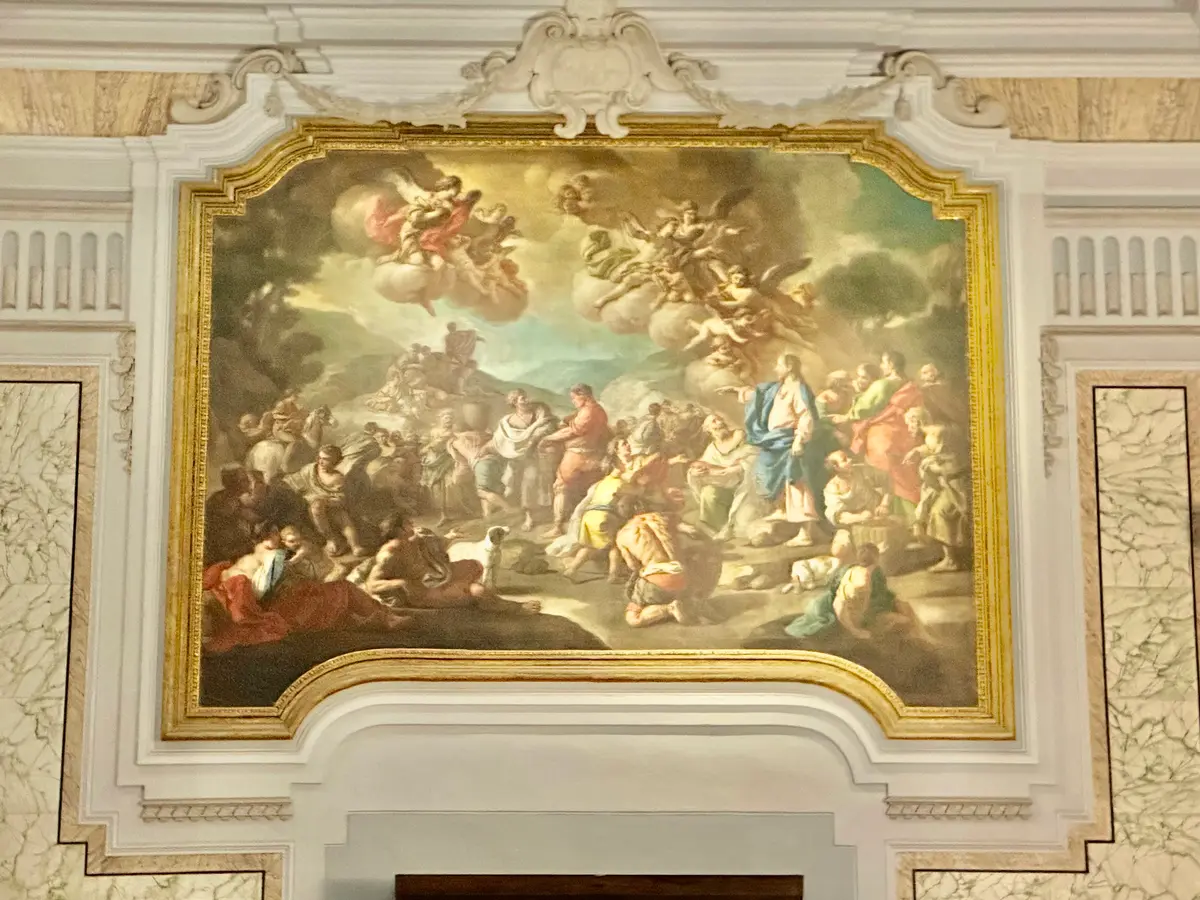
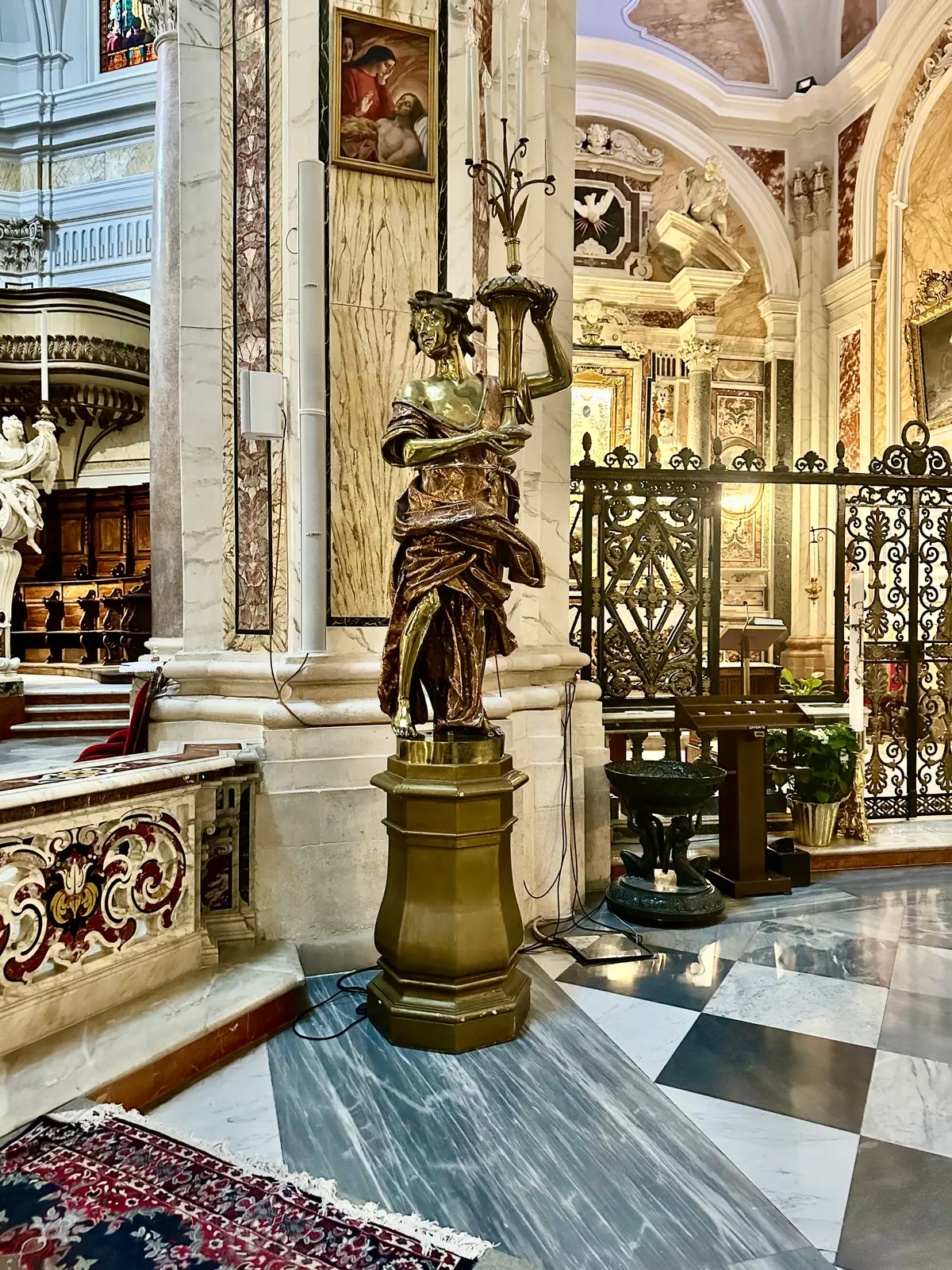
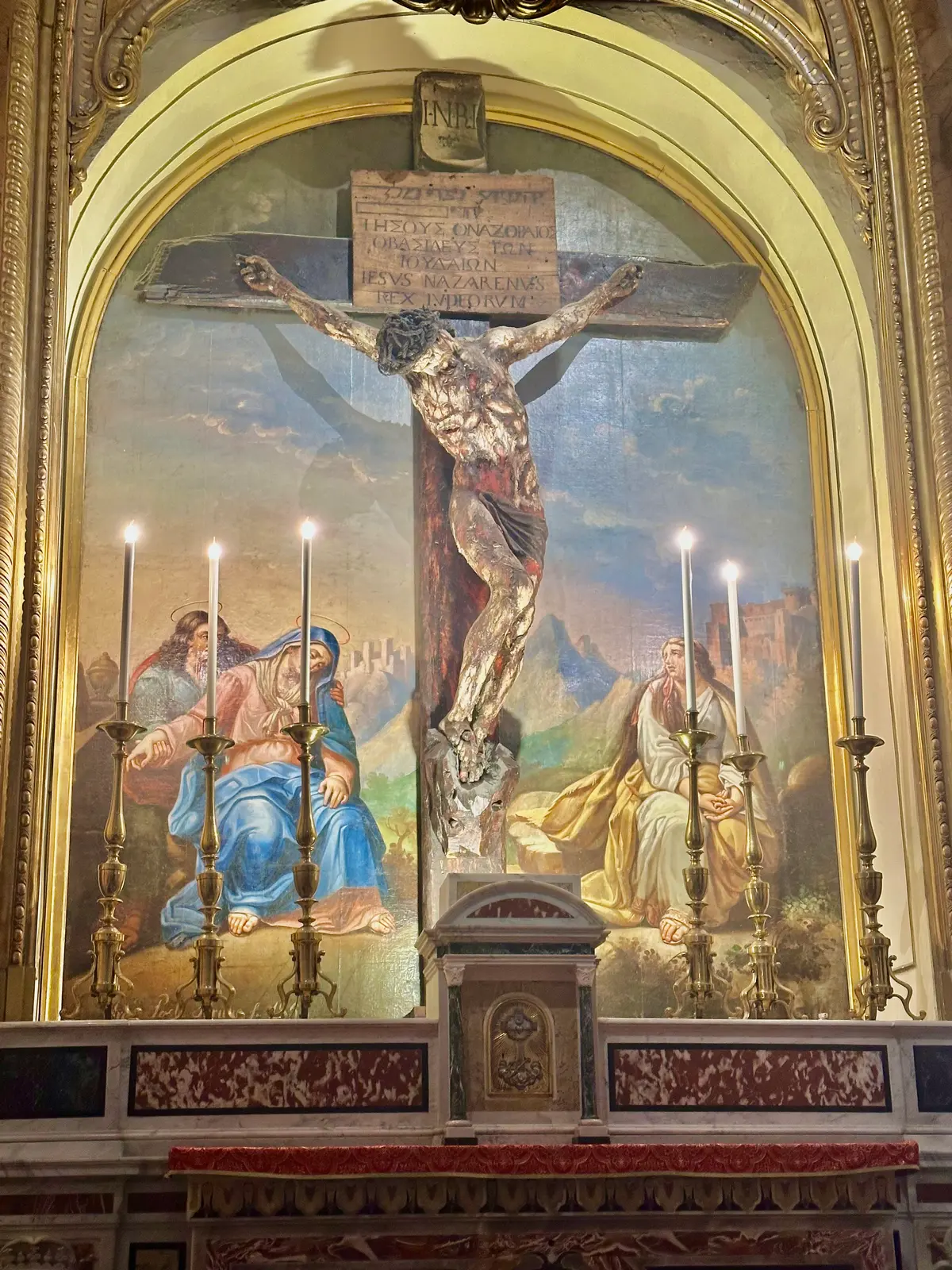
This part of Italy does not have the huge castles and ruins found in other parts of Italy and especially in Greece. However, there are some old walls, watch towers, and fortress buildings that we’ve visited. We drove to a nearby city, Foggia, to visit the famous cathedral first constructed in 1170. The cathedral was rebuilt after a destructive earthquake in the 1700’s. It is filled with incredible artwork and sculptures. A few people were present, praying during the time of our visit. The candles have been replaced by battery-candles. There was also a video display that offered a narrative of the cathedral’s history in four languages.
On my first visit to Italy many years ago, Susan and I took a two week group tour to Venice, Florence, Sienna, and Rome. On that tour we were taken to a vineyard for wine-tasting. With the wine they served bread and olive oil. I was shocked by the fantastic olive oil! I had never understood Mediterranean cuisine until I tasted that wonderful fresh olive oil. I vowed never to buy cheap olive oil again. We might bring home a souvenir of Italian olive oil.
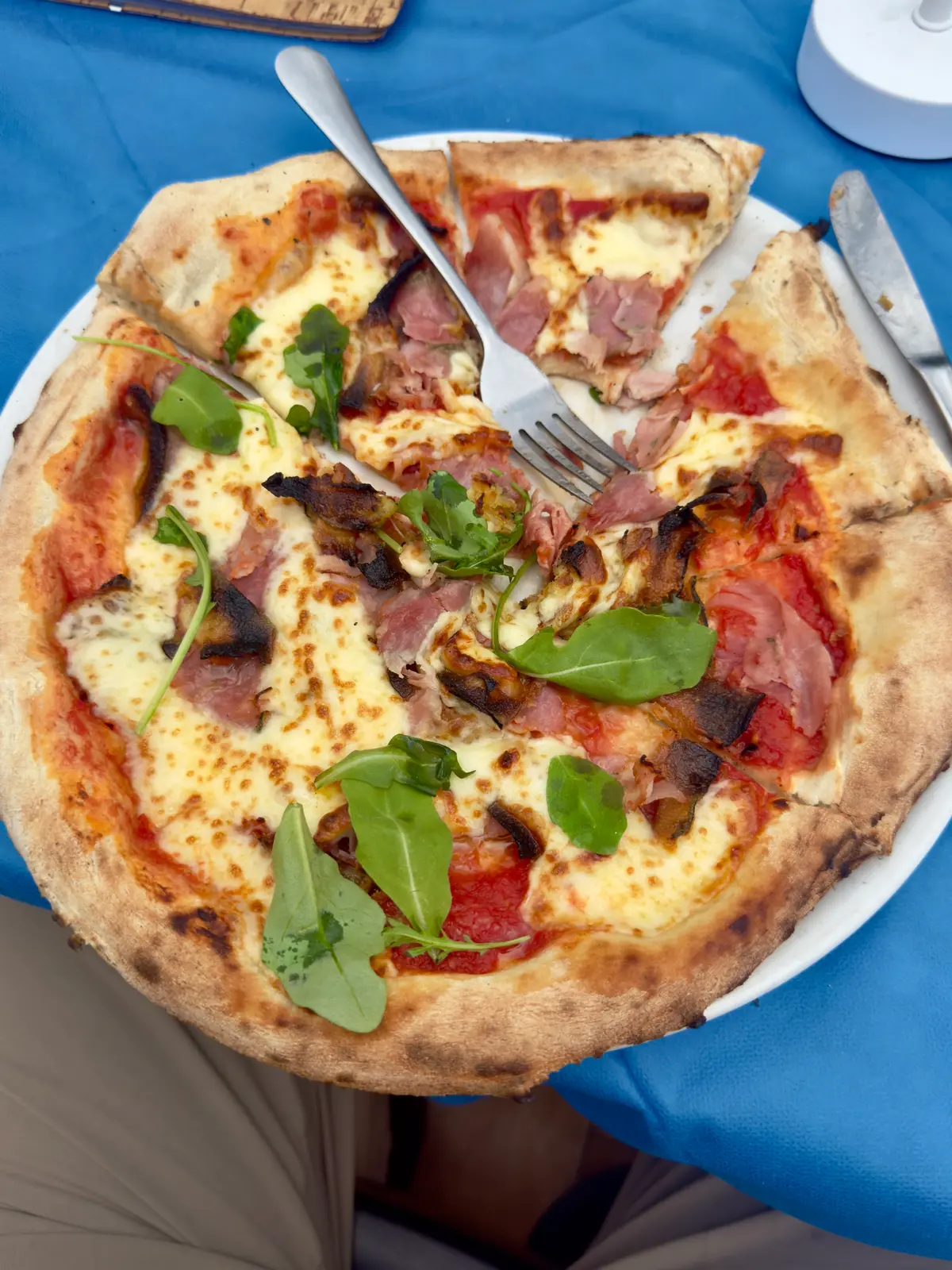
On this visit I’ve learned the difference in taste between freshly made pasta compared with the dried commercial pasta. That explains the popularity of pasta dishes in Italy. The preference is definitively based on homemade fresh pasta. Commercially-available dried pasta is not considered in the appreciation of renowned traditional Italian cuisine.
Just like every city in Germany has its locally-produced beer, every city in Italy has its local wine. In the restaurants we visited, the only question was “red or white wine?” No choices were offered. The waiters simply brought their locally-produced red or white wines. They have been uniformly delicious. They are not commercially distributed outside their local areas. The other drink I’ve enjoyed is limoncello. Only once was I served a sub-par homemade limoncello. It was still drinkable. But just like the wide variety of wines, limoncello products vary in quality.
Following San Manaio, Susan and I drove south to Bari to stay for one night before flying to Bergamo which is located close to Milan, a famous city that we’d never visited before. After two nights in Bergamo we flew to Zurich, Switzerland, where we began a week-long train tour of Swiss mountains.
My goal is to offer the vicarious pleasures of my travels to my blog readers, who might never personally visit these destinations. Thanks for reading these blogs and feel free to share! Please email me any comments you have. You may email me any names who would like to be added to my blog list.
Photo Gallery
View gallery →