
My Sixty Year Milestone
Visiting my hometown, Columbus, Georgia

My Sixty Year Milestone
I recently spent a week in my hometown of Columbus, Georgia, attending my sixtieth high school reunion. One third of my 1966 graduating class has died already. It was interesting to observe my surviving classmates to notice how we age differently. Some of my classmates showed their aging in ways that reminded me of my grandparents. Others were simply living full active lives like Susan and I are. Susan and I have a denial pact with each other. We’ll pretend we’re still at our full youthful capacities as long as we can, denying the inevitable affects of approaching our eighties, when denial will become no longer possible.
I had spoken at my graduation ceremony sixty years ago. I was invited by the organizing committee to speak again as well as to play a little music. I began my talk by reminding my classmates of my having spoken at our graduation. I asked if any of them remembered anything I had said. I confessed that I couldn’t remember either. I’m sure that I simply repeated cliches that I had learned. What did I know of life at age seventeen? What would I have said then if I had known what I know now?
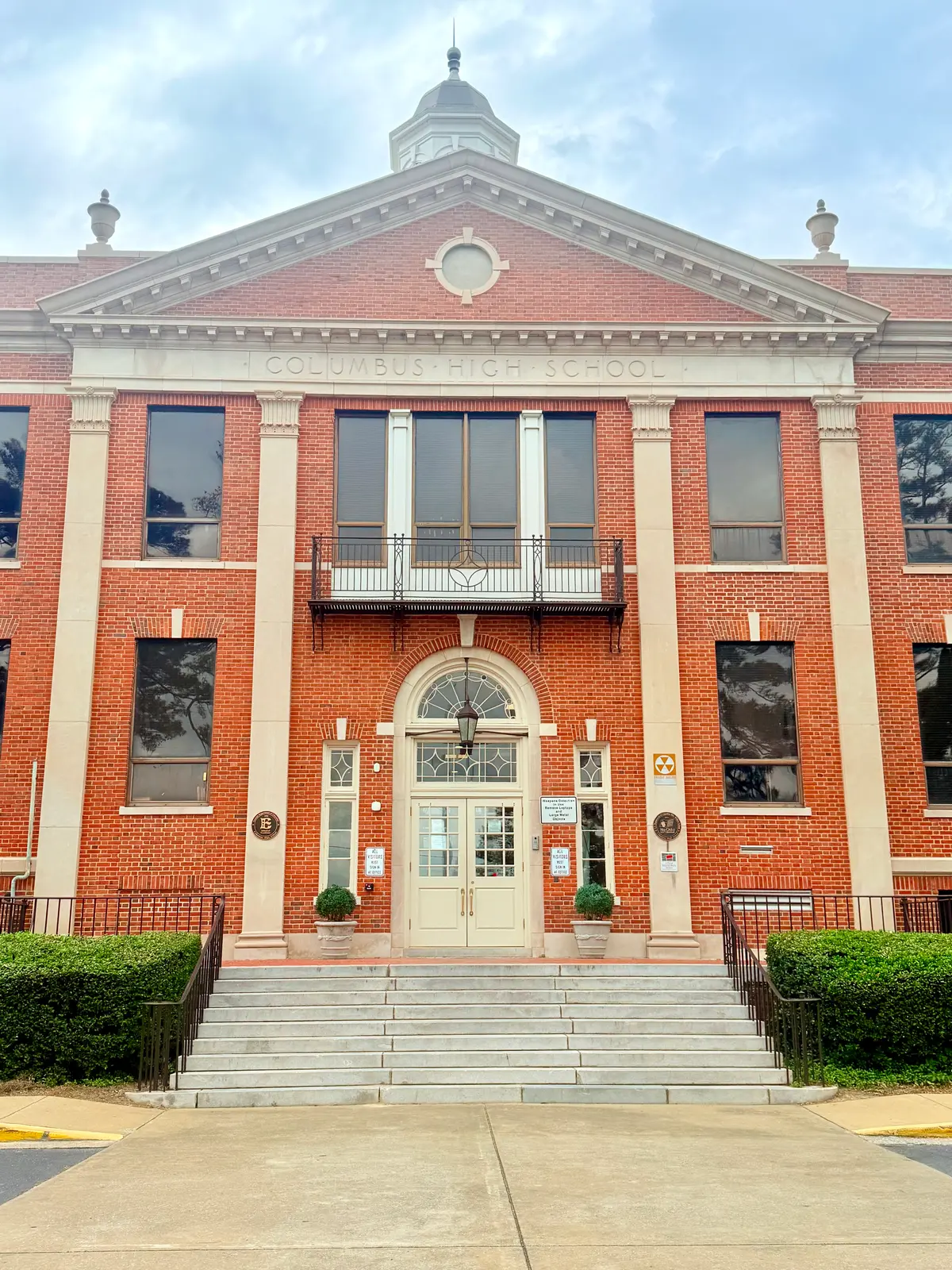
Meeting people again that I knew during those shared school years over sixty years ago was gratifying. It’s remarkable how our personalities were formed in our youths and continue relatively unchanged over the ensuing decades. The people that I had been close to those many decades before were still attractive to me. Whatever intangible qualities had stimulated our friendships so many years ago were still evident when we met again. We are the survivors.
I was known for my musicianship then, having been visible in the band all four years. I had been anticipating playing with the daughter of our then-band-director, who has achieved well-earned fame in the classical flute world. But still being professionally active, she was hired for a symphony concert and was thus unable to attend the reunion. And so I played a flute solo of Amazing Grace as a tribute to our deceased schoolmates, followed at the conclusion of my talk with a blues improvisation on the saxophone. Among the various speeches, the inclusion of music performances offered a welcome contrast.
Will we continue to meet at a 65th or 70th class reunion? Our numbers will continue to diminish in the ensuing years, up until our inevitable personal transitions from life.
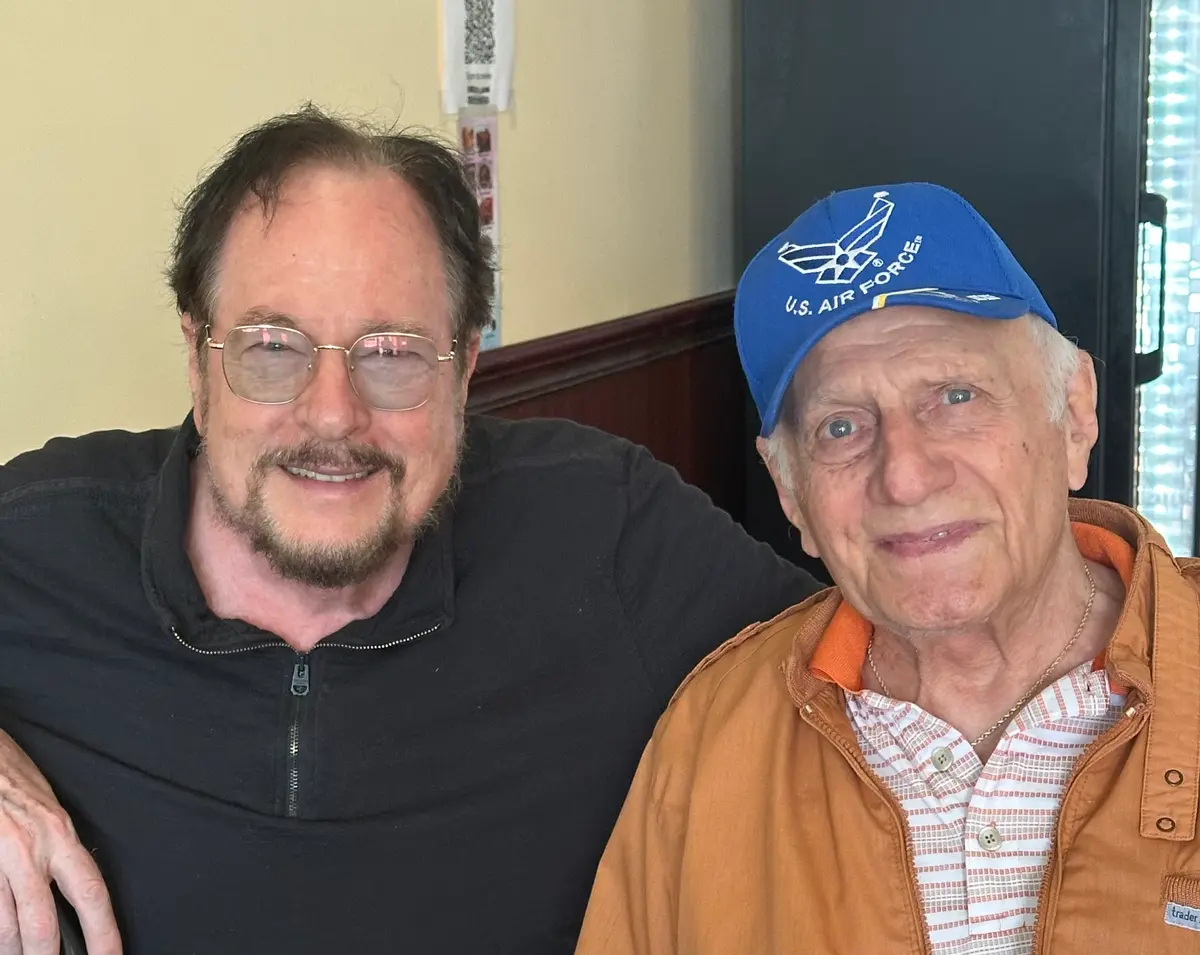
One of the most gratifying aspects of this visit to my old hometown was being able to meet the music teacher who started my musical life path when I was eleven years old and first began playing the clarinet. This teacher of mine is now ninety-six years old. He walks like a much younger man. He still plays his saxophone at special events. His standard performance is to sing the classic made famous by Louis Armstrong, What a Wonderful World, followed by a saxophone solo. I intend to follow his example and continue to play as long as I’m able.
The act of playing an instrument engages many systems: eye-finger coordination (when reading music), aural perception (listening to the other musicians), mind-breath-finger coordination (the act of playing a wind instrument), and finally the emotional musical intention necessary to create a great performance.
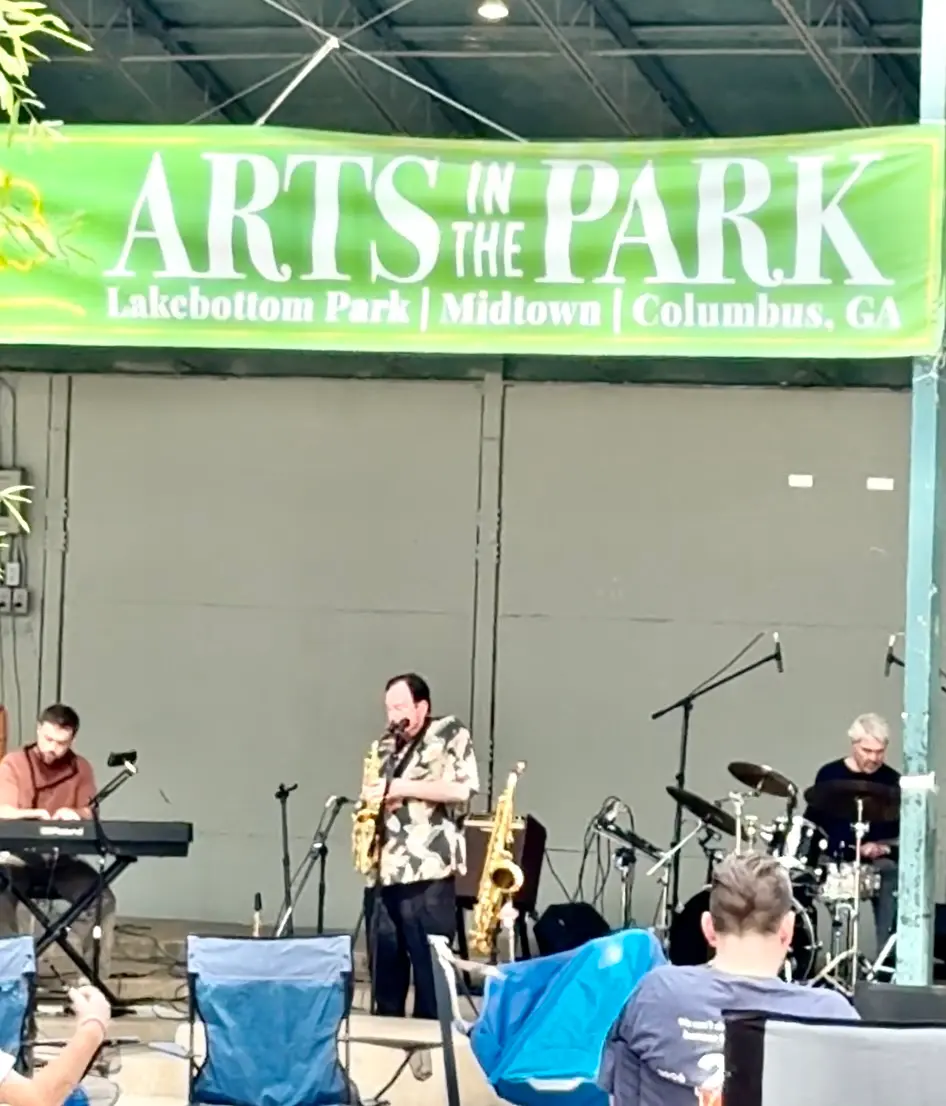
I have a drummer-friend that I’ve played with for over fifty years. Knowing that I was coming to visit, he arranged for me to be the featured guest performer at an outdoor arts festival. We had one rehearsal with the drummer and bass player with whom I had played before, and an excellent pianist that I met for the first time. I played on saxophones borrowed from a friend in Columbus. We played a selection of jazz standards that all of us had performed many times over the years. I was grateful that my 96-year-old former teacher was present and I was able to recognize and thank him from the stage. He is well known to the Columbus community as a decades-long teacher, conductor, and performer. It was a satisfying event to “come home again,” something that is not always possible for many of us.
The other main event of “coming home again” was to visit the Alabama country place where I spent the first eighteen years of my life, a forty acre property with a lake and forest and the house originally built by my father in the late 1940’s. I inherited the property when my parents died. I had considered the possibility of living there again at some point in my life. But for some reason, my wife Susan didn’t want to live on a country farm in rural Alabama. I wonder why not?
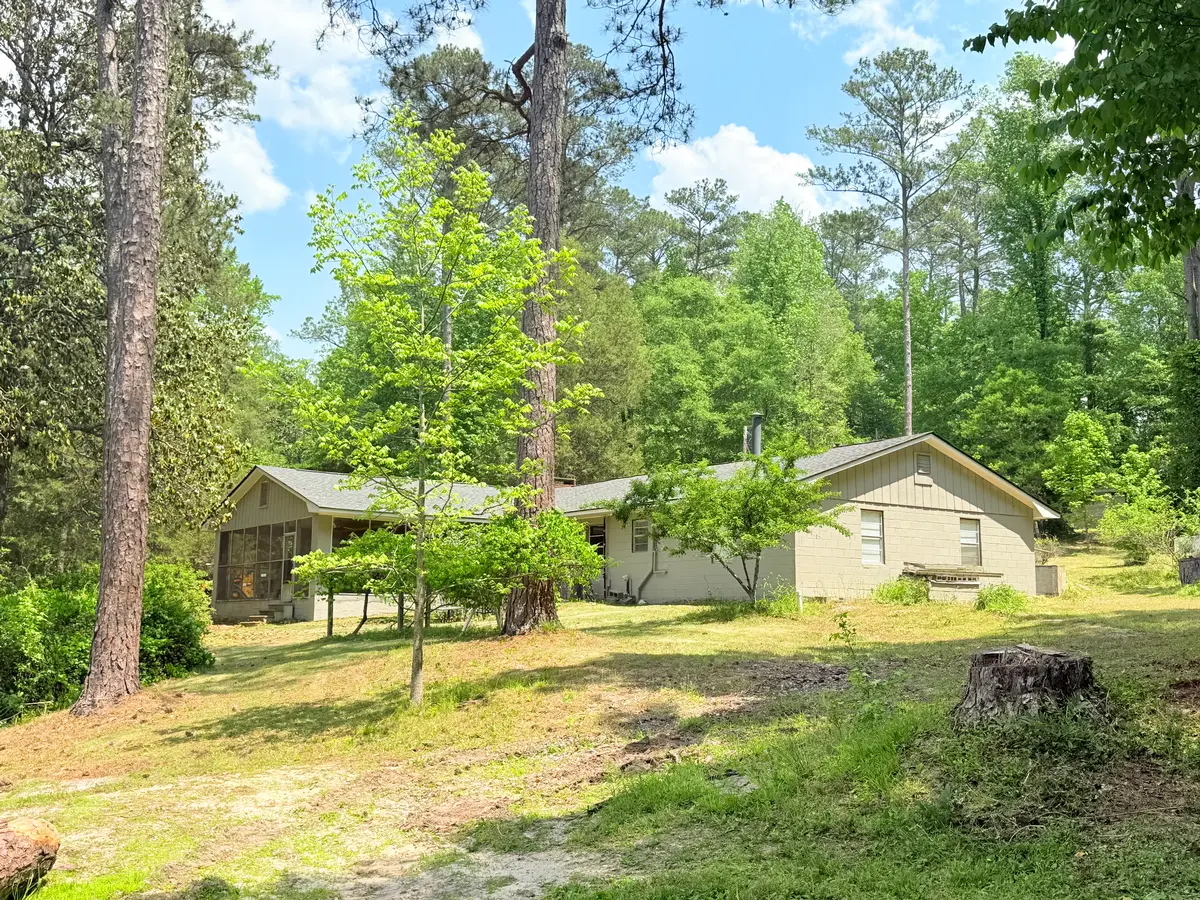
Following my parents’ deaths, I had rented the property to a local couple who had known my parents. They lived there for fifteen years and would have stayed on living there for the rest of their lives. I didn’t know what else to do with the property, until I received an irresistible offer from my first cousin. My cousin Scott is the youngest of eight siblings. He offered to purchase the property and invest in improving it to be a family retreat for his siblings and other relatives.
My father bought the Alabama property seventy-eight years ago at a price of fifty dollars per acre. The land was so inexpensive because the trees had been “clear-cut,” leaving a denuded messy landscape. As the photos show, the land and forests have regrown beautifully over the ensuing seventy-eight years. The property is only ten miles from the Alabama border with Georgia.
Because my father practiced law and was later a judge in the town of Columbus, Georgia, where I attended school, I always tell everyone that I am “from Georgia.” All my friends and social relationships were my classmates and residents of Georgia. But the underlying truth is that my “ties to the land” are in Alabama more than Georgia.
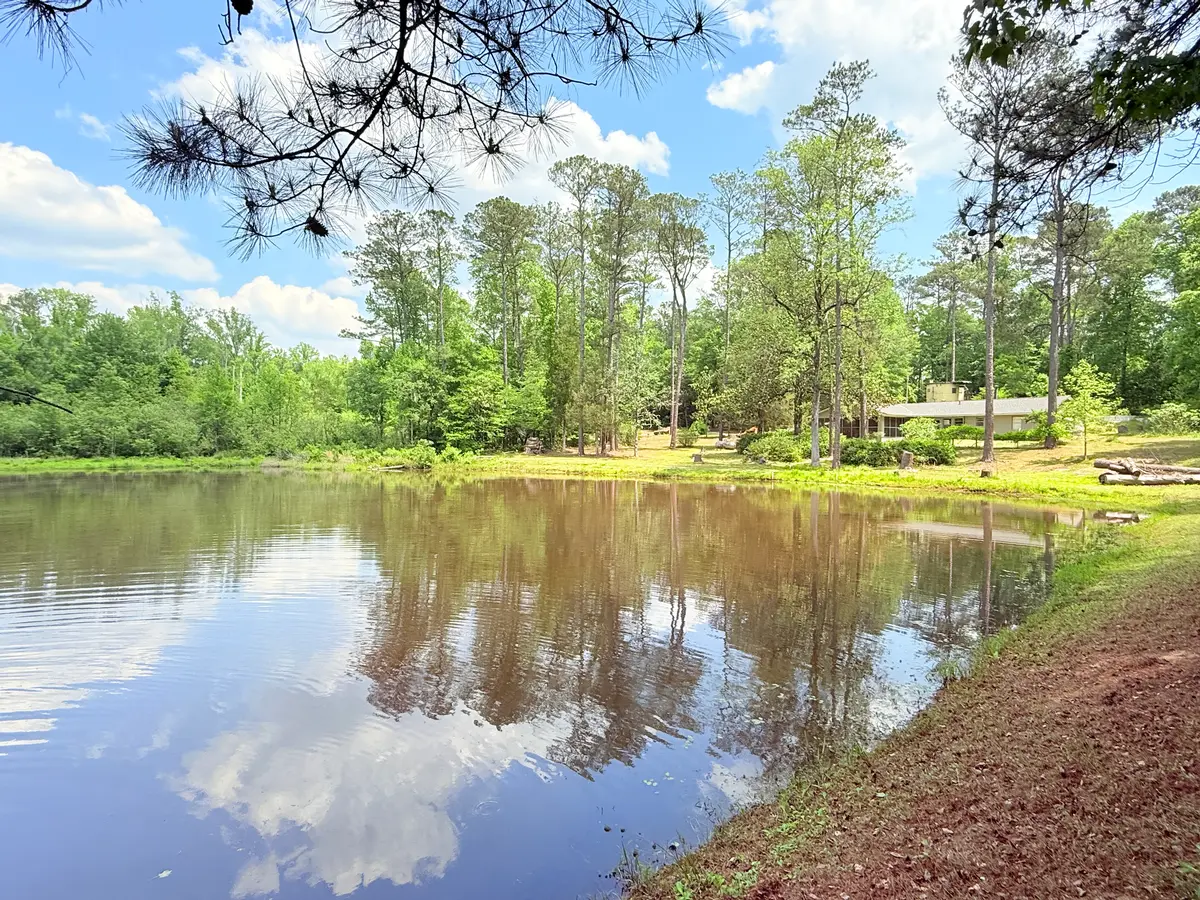
We are profoundly affected all our lives by where we spend our early years. There is a certain primal feeling one experiences when visiting the place where one grows up. We are forever affected and influenced by the experiences of our early years. I exemplify the saying: “You can take the boy out of the South, but you can’t take the South out of the boy.”