Tanzania--Kenya's neighbor to the South
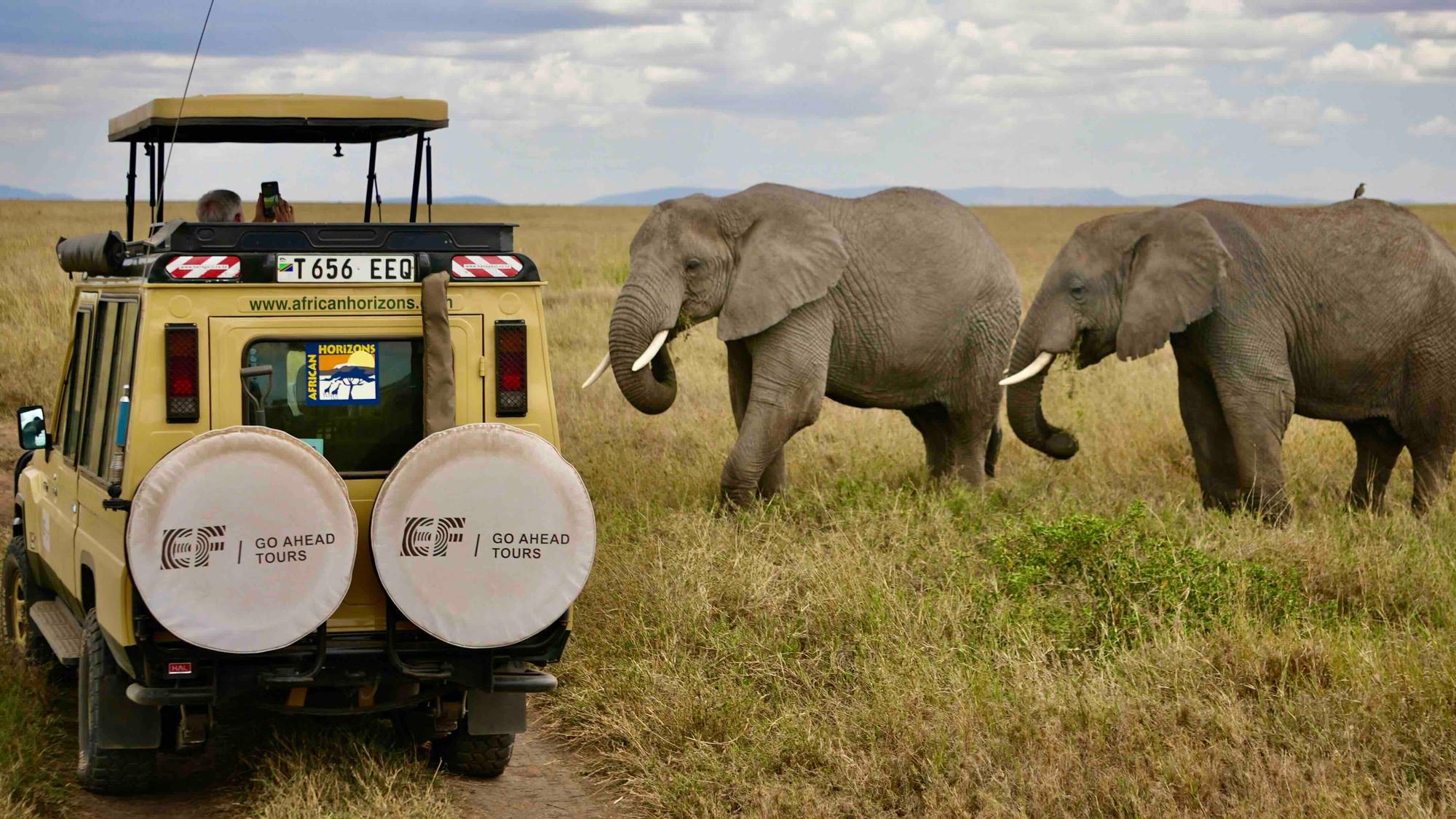
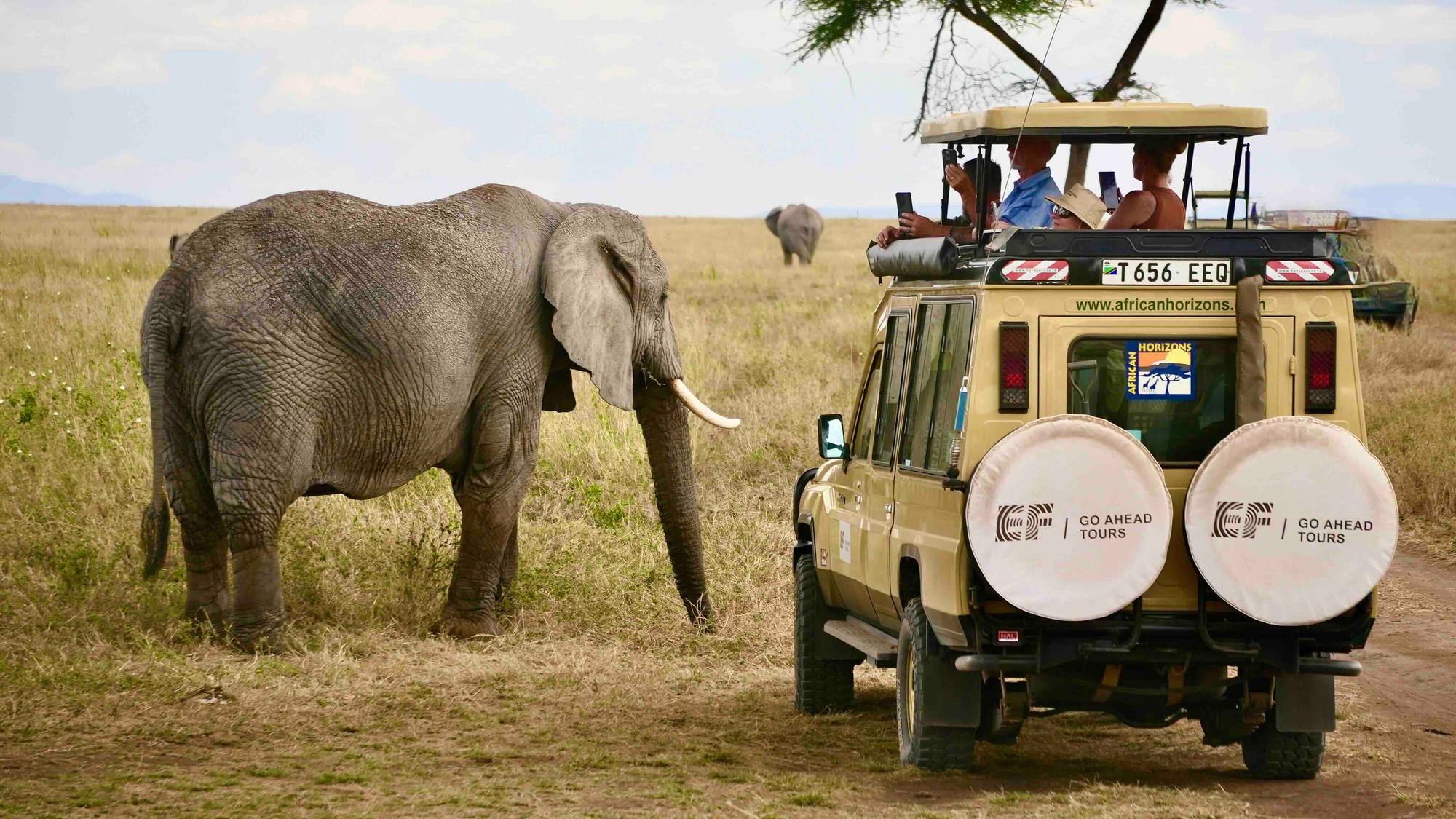
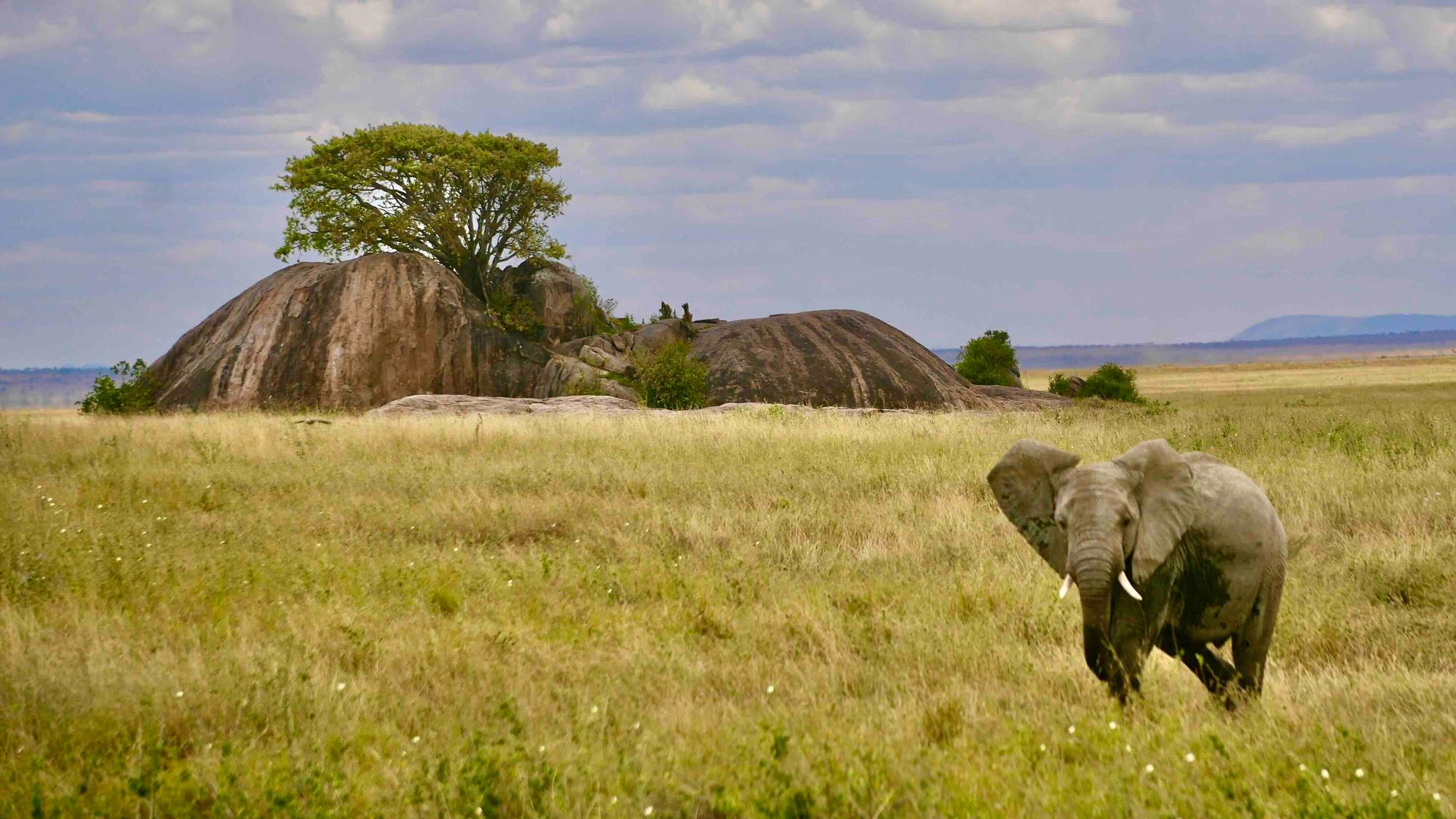
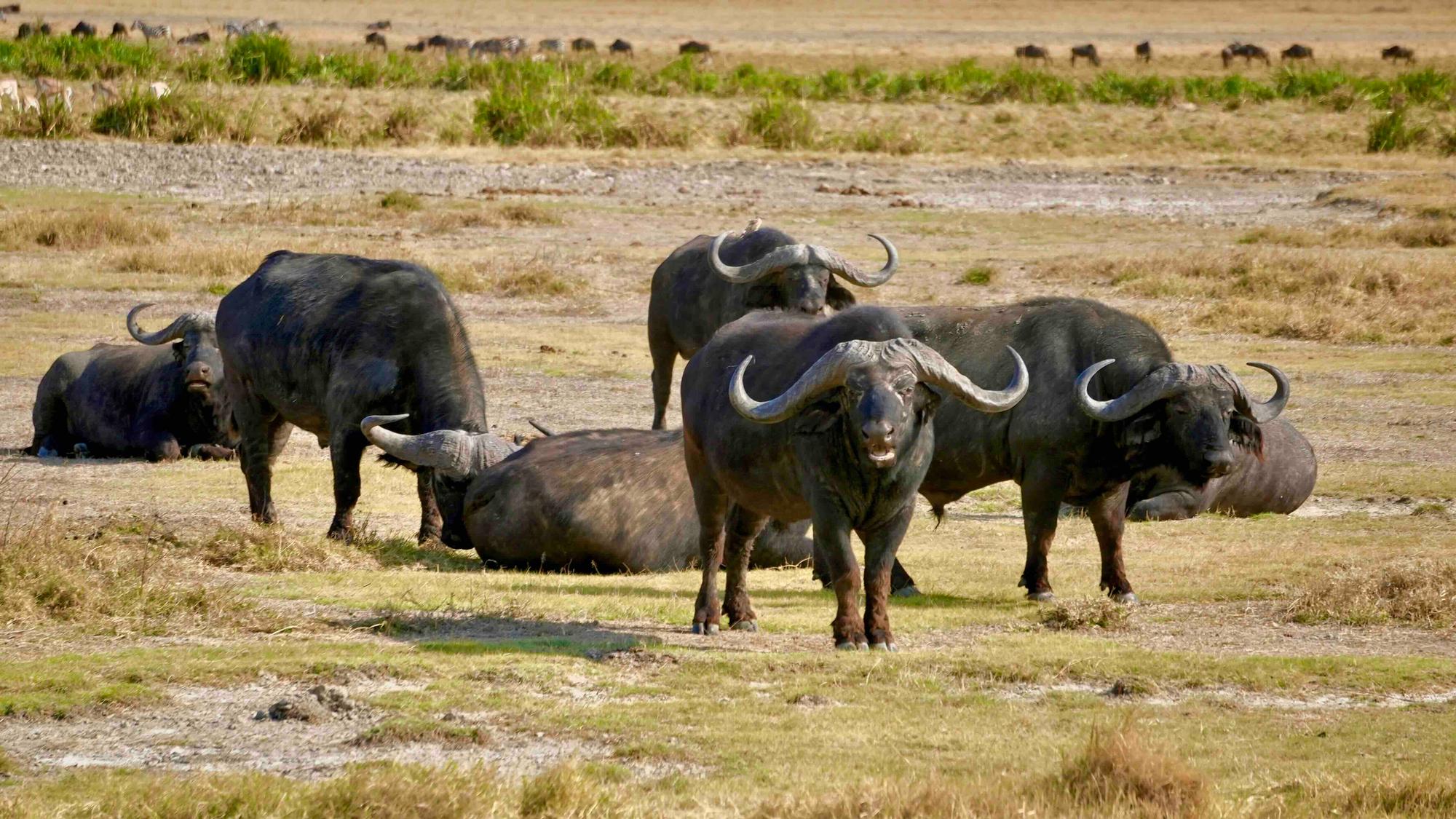
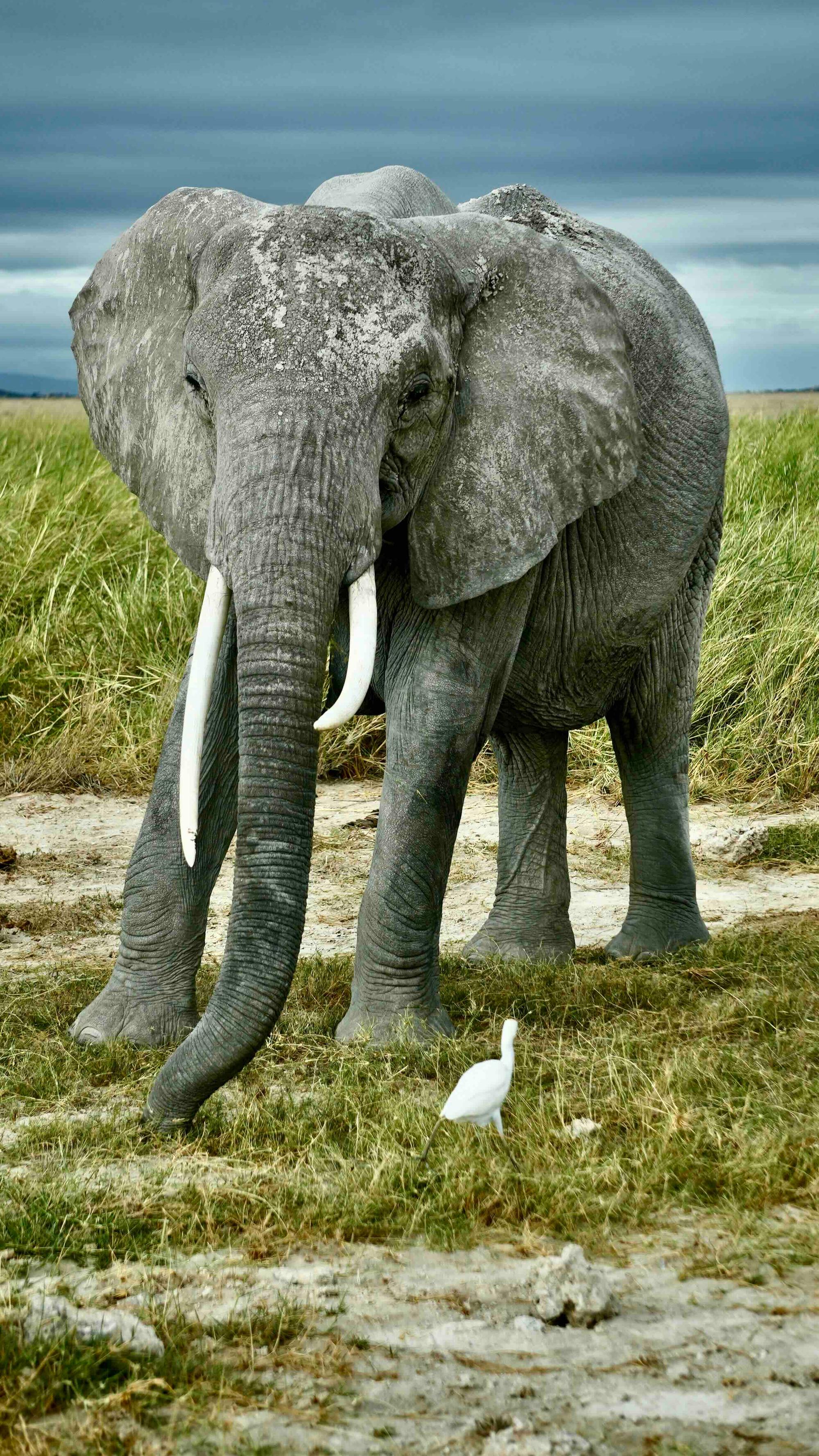
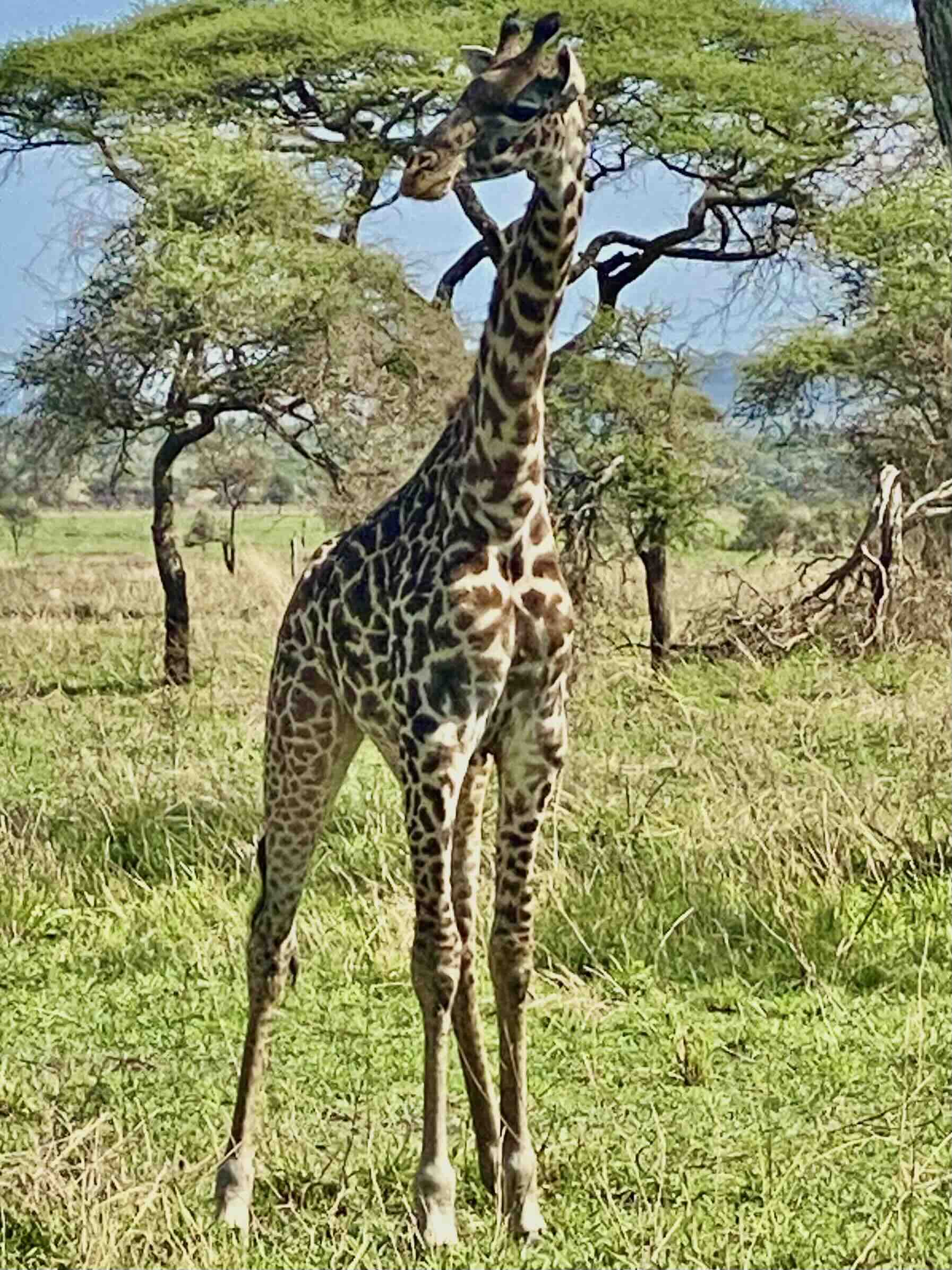
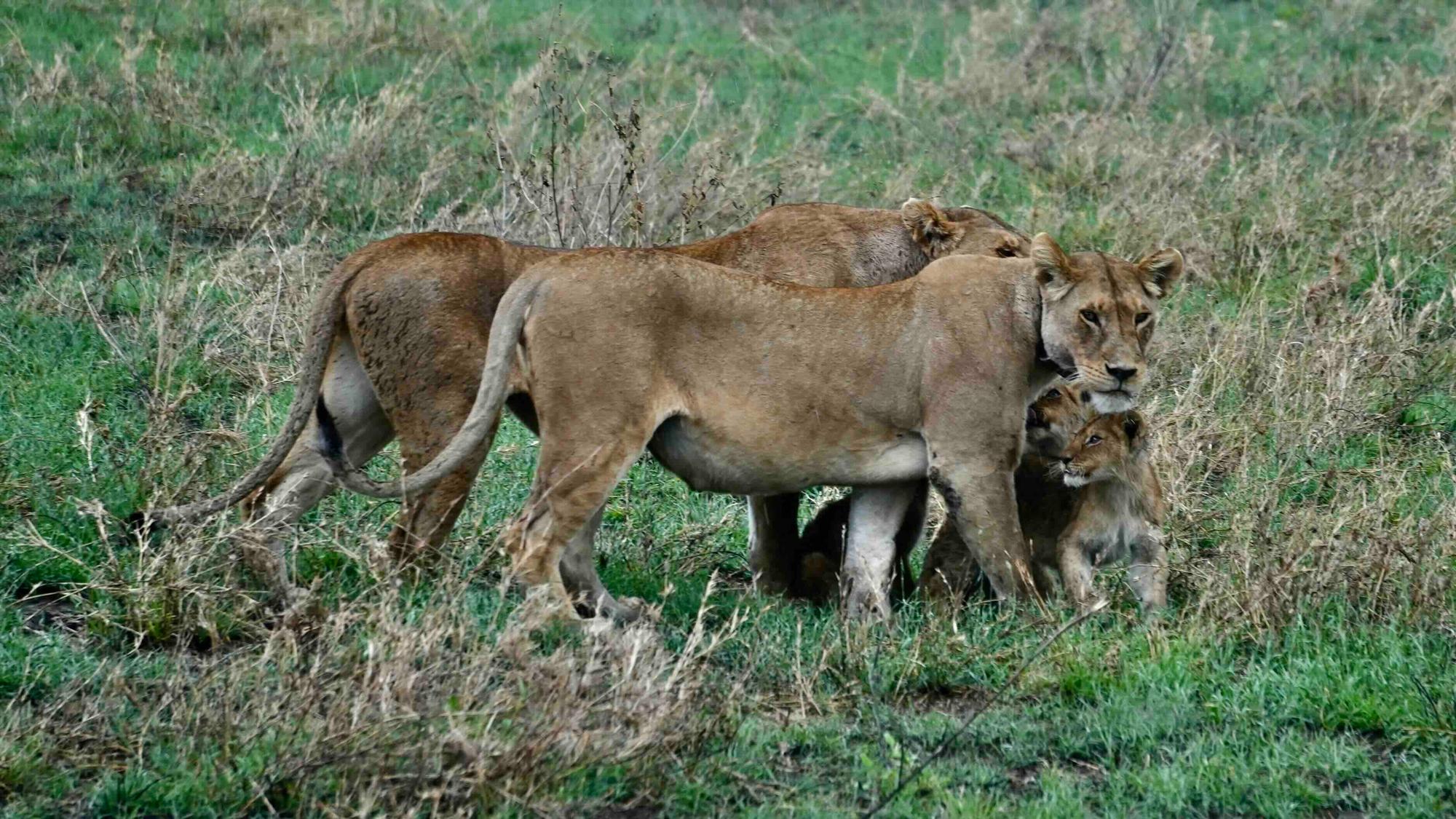
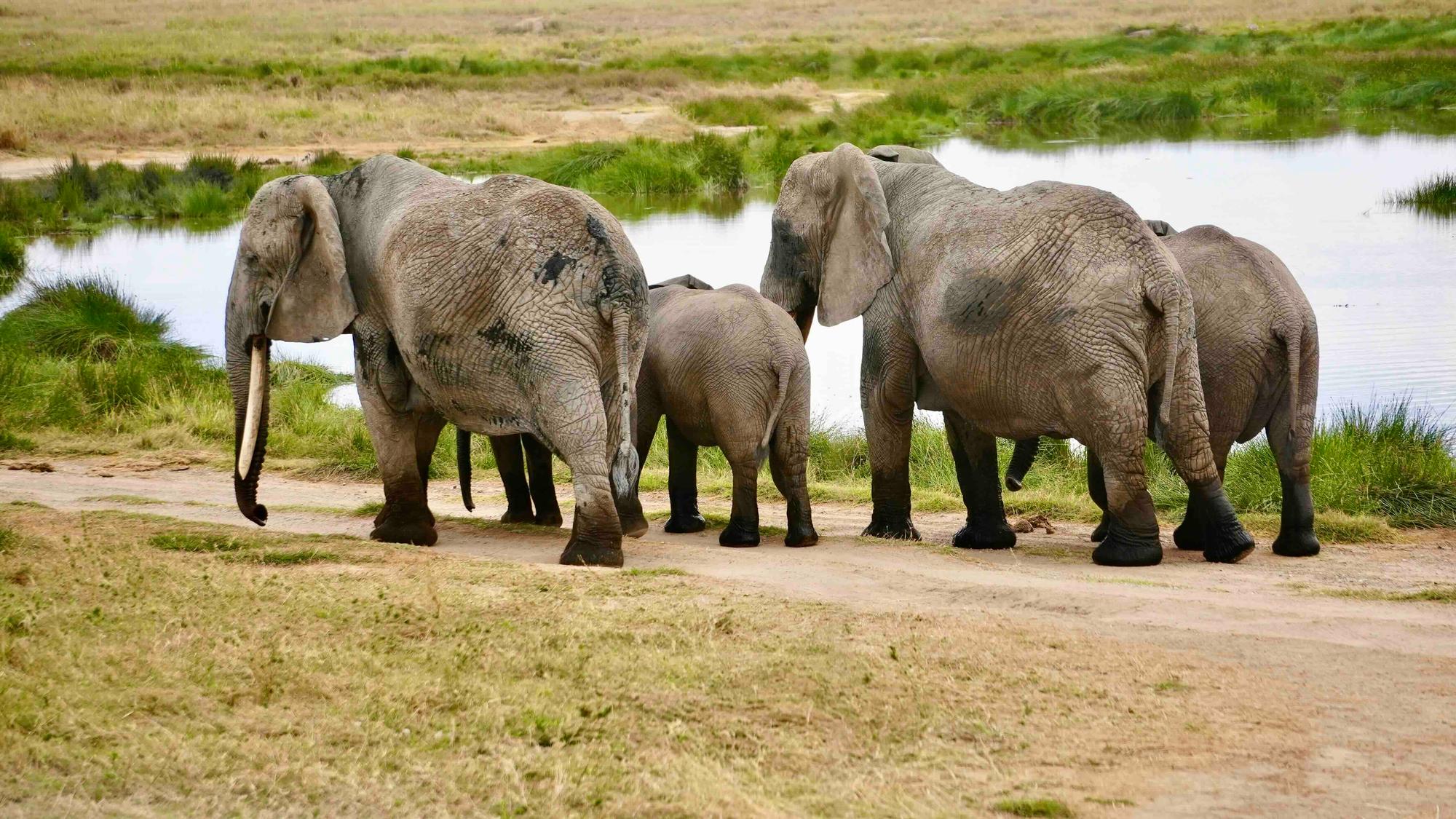
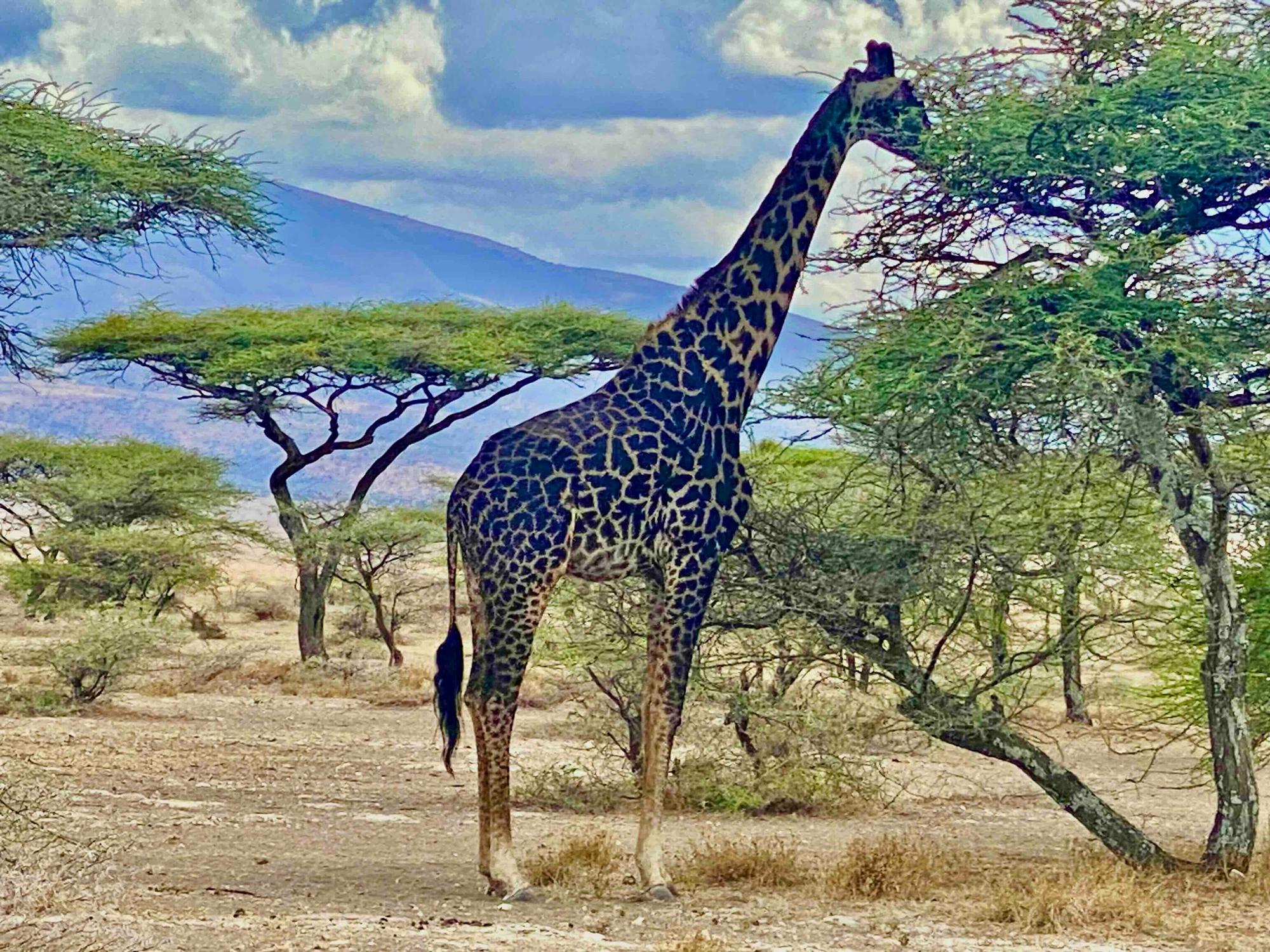
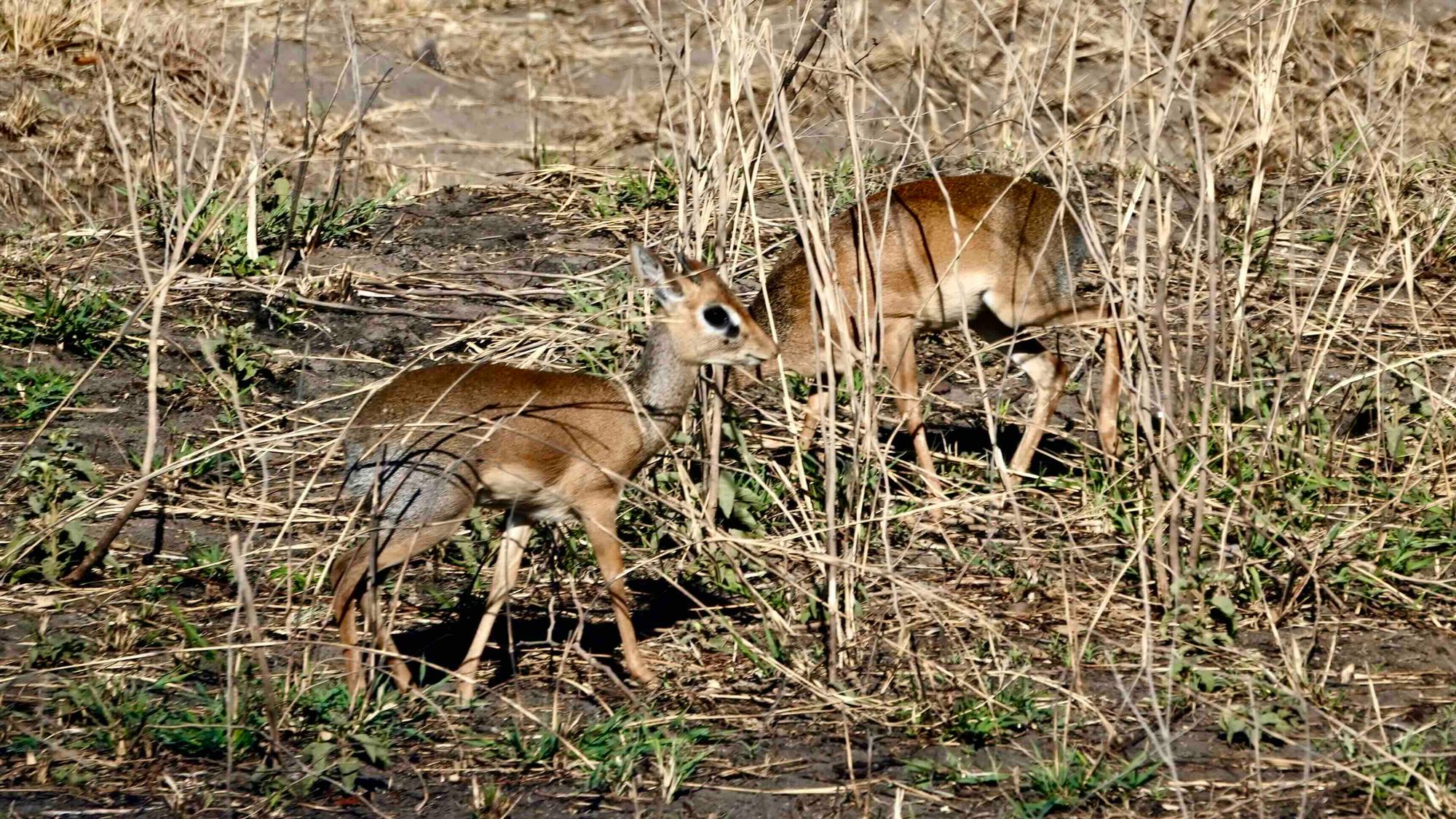
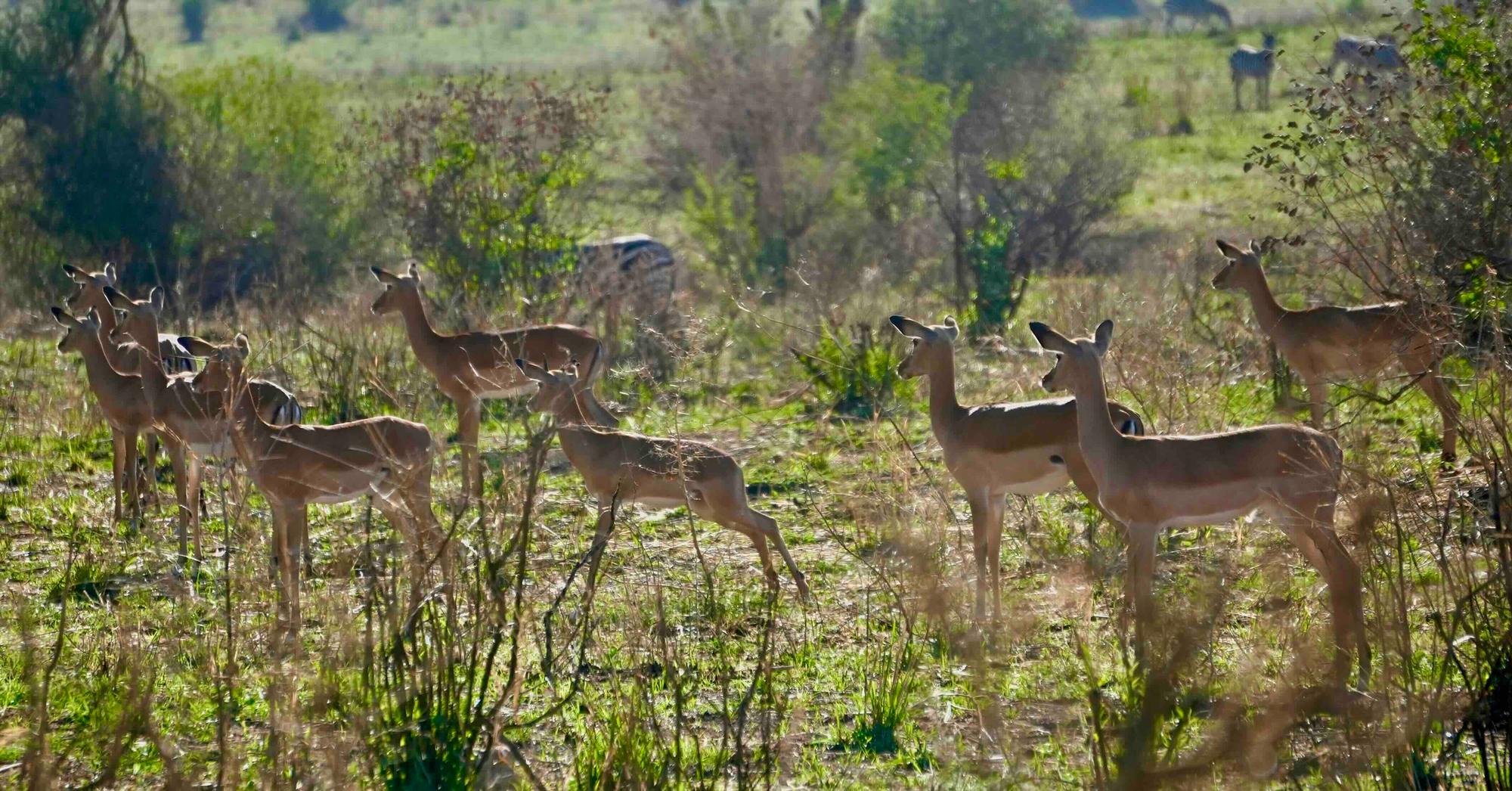
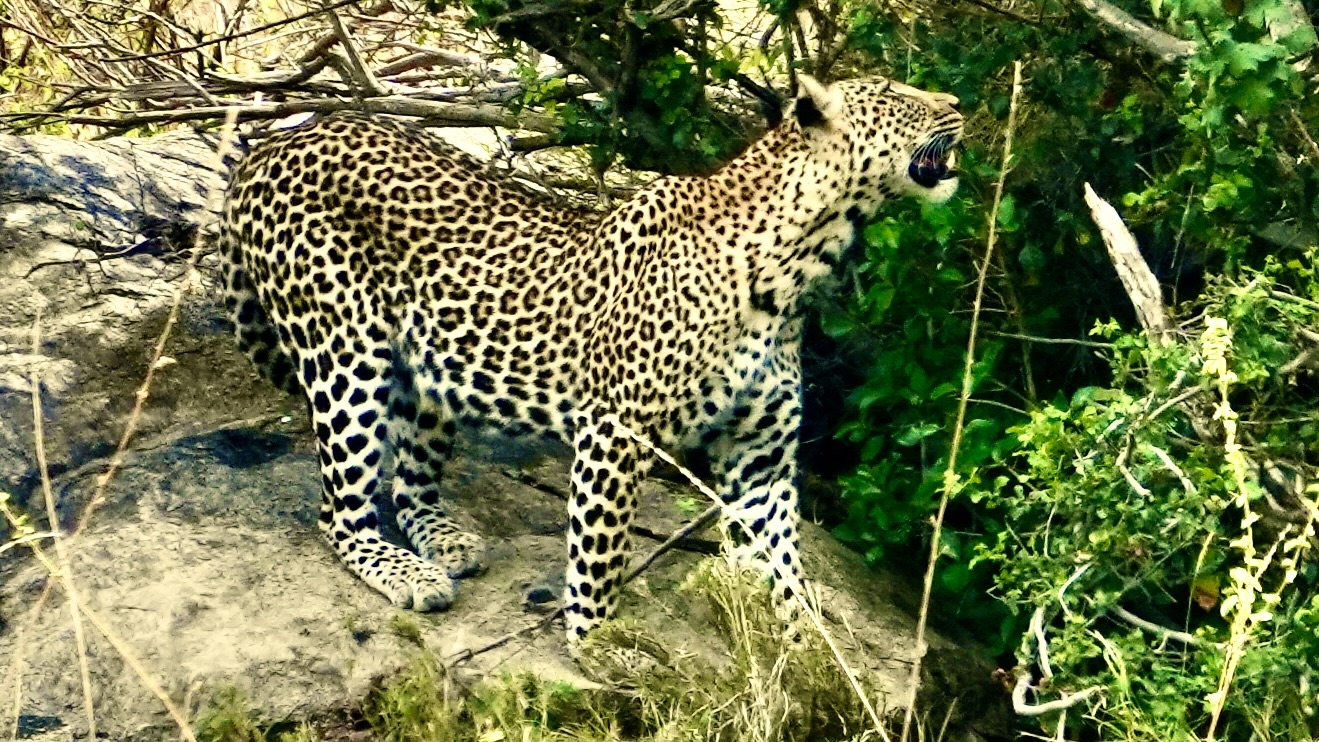
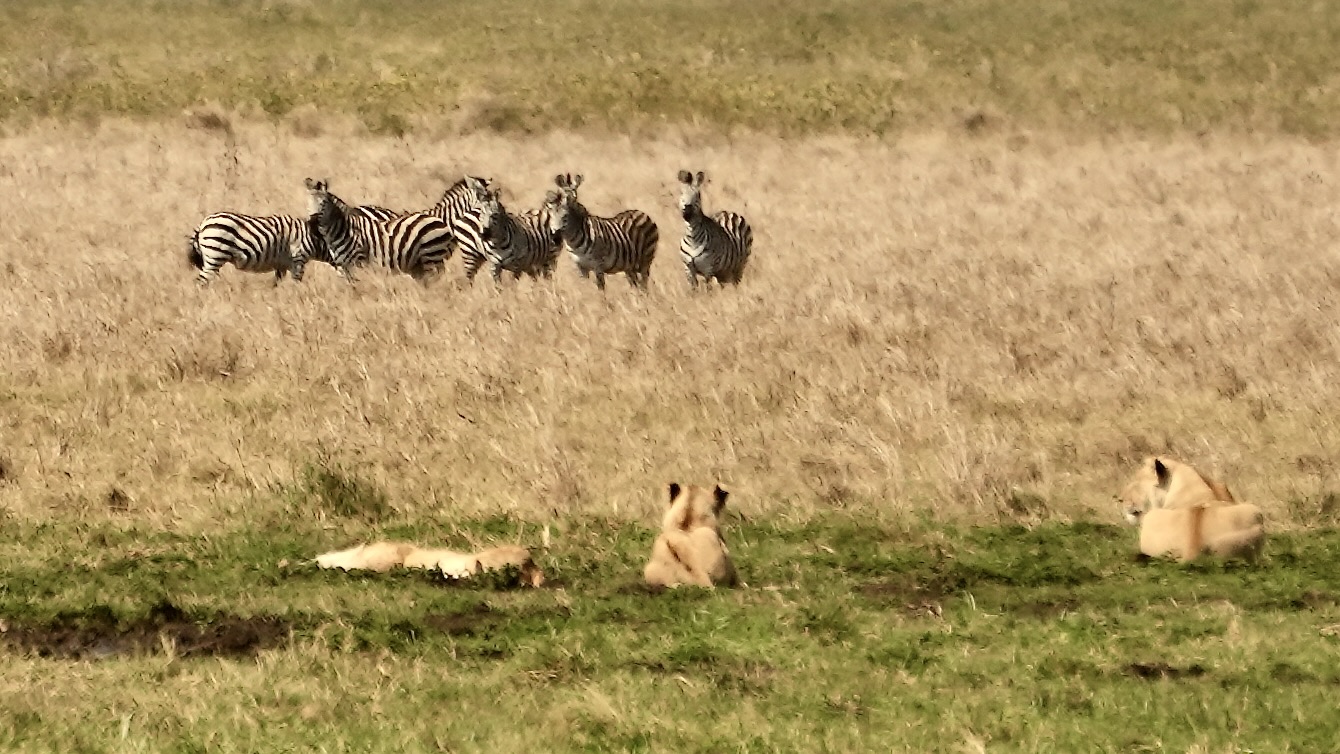
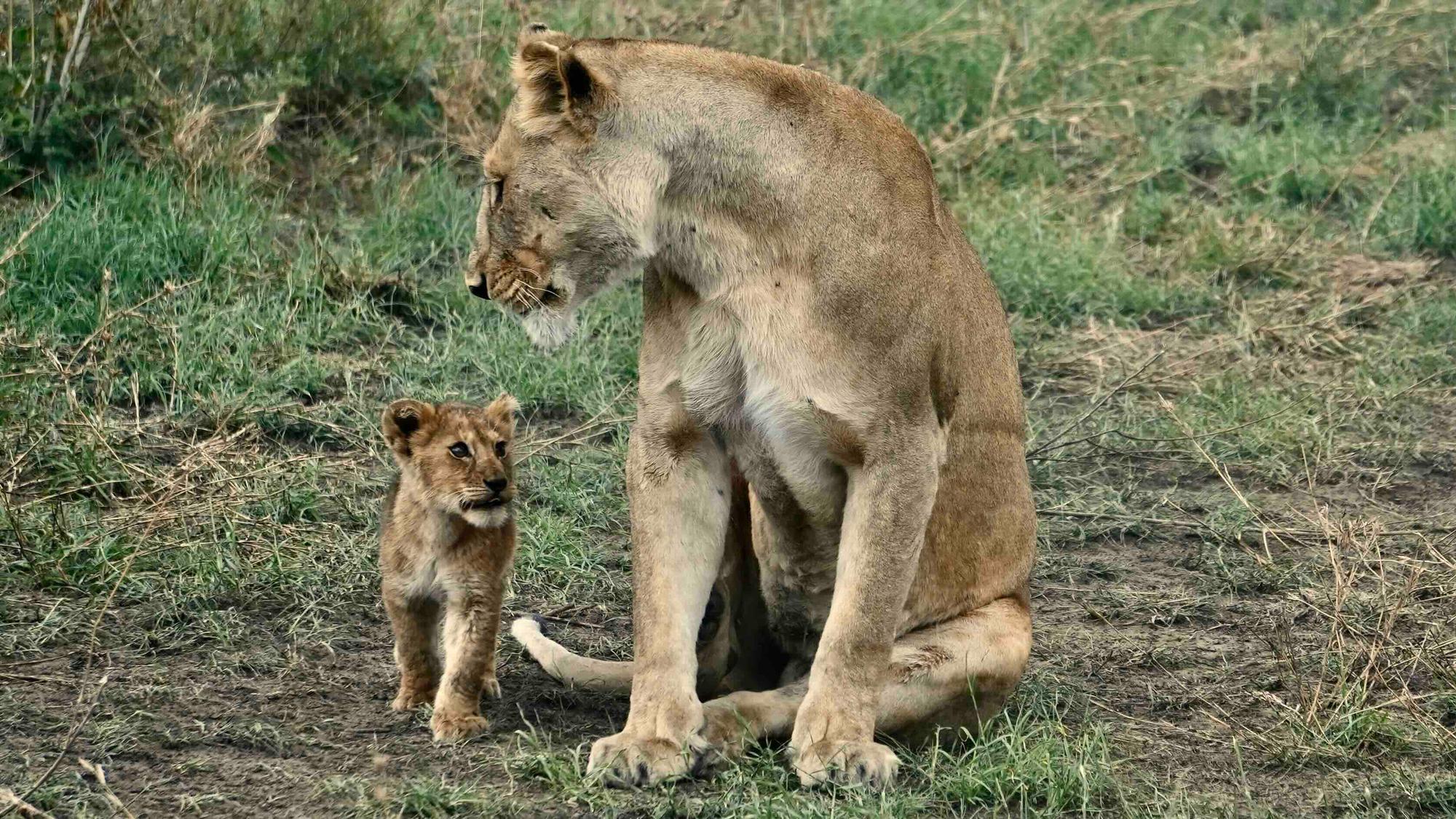
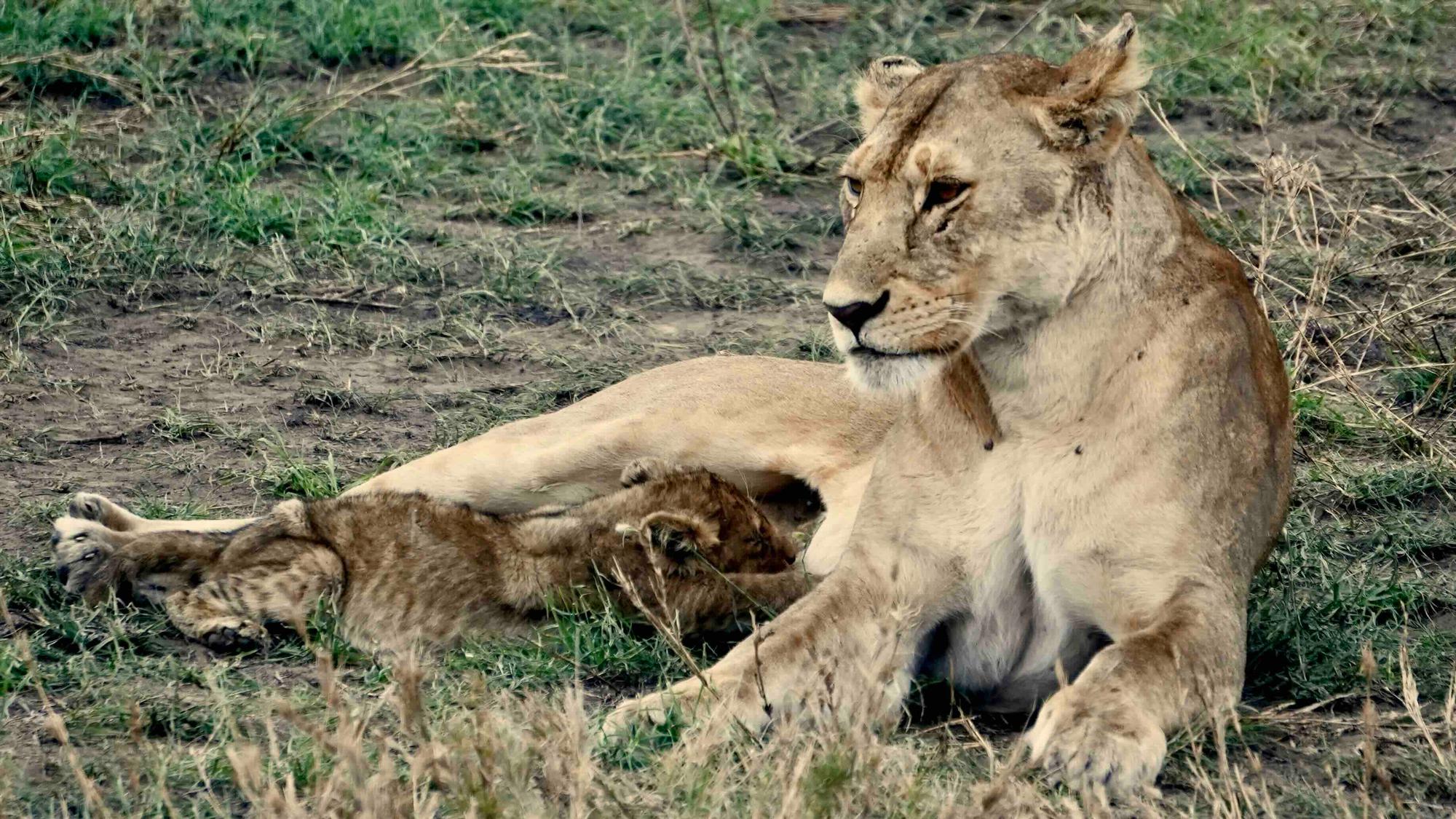
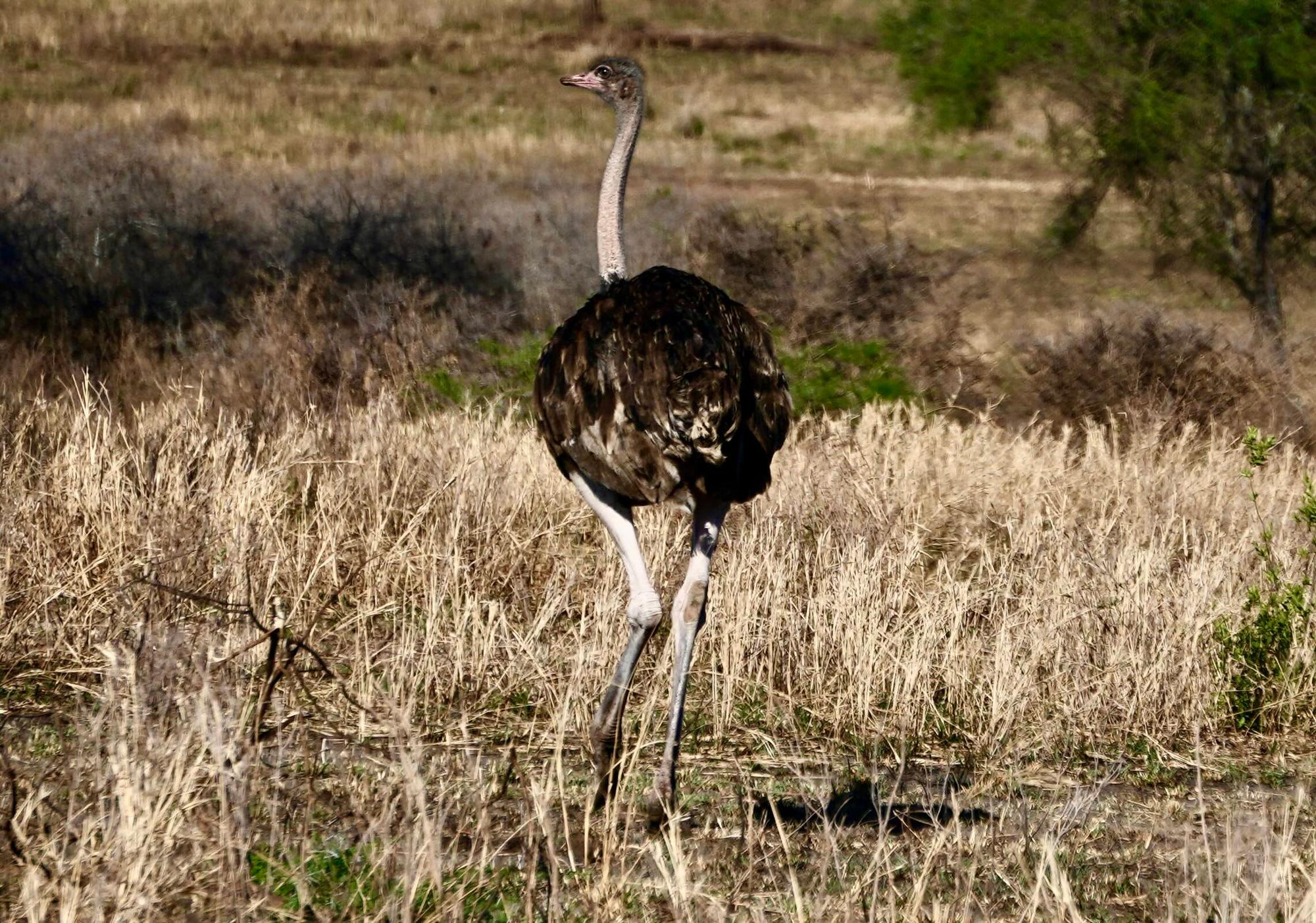
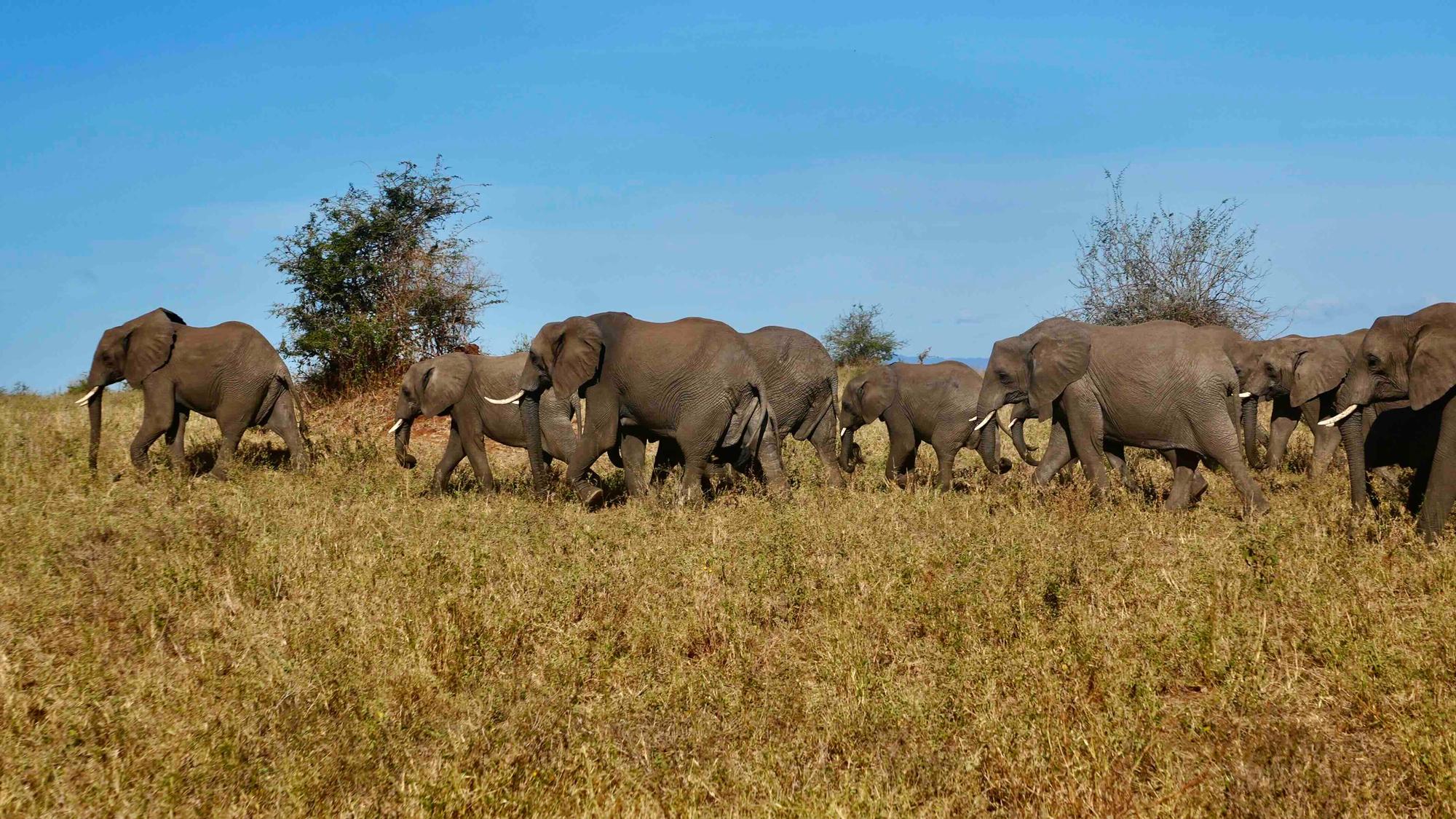
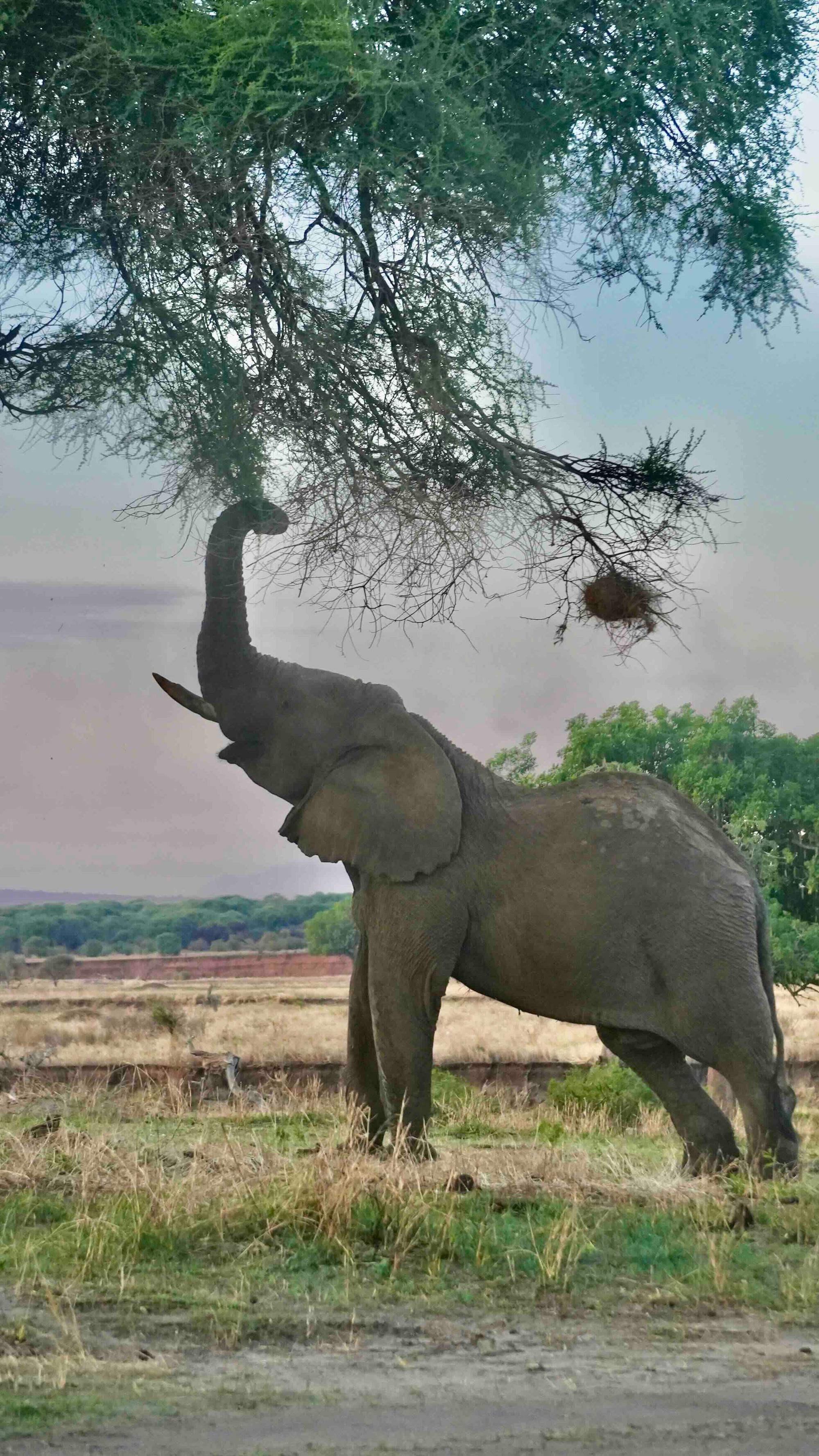
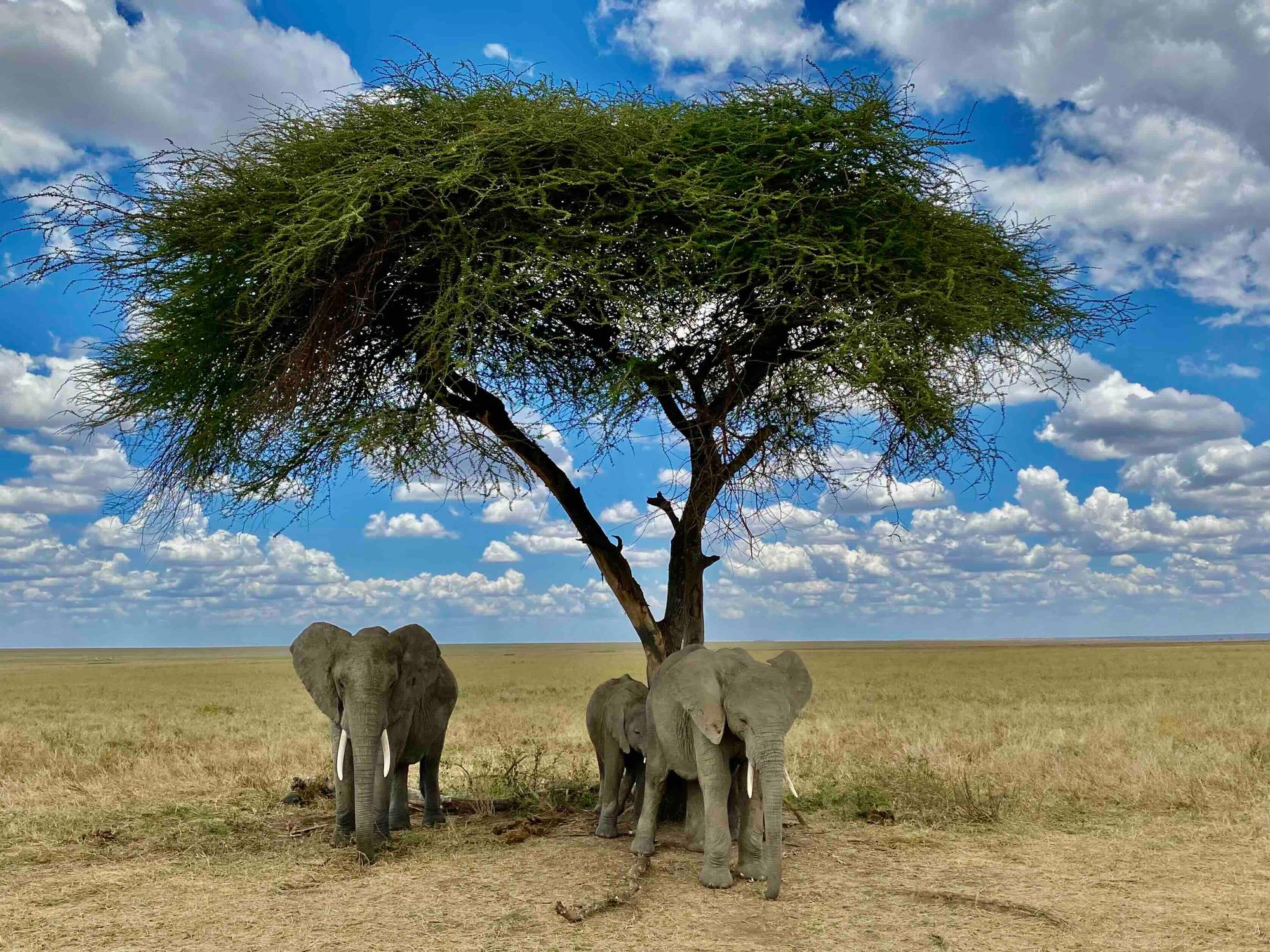
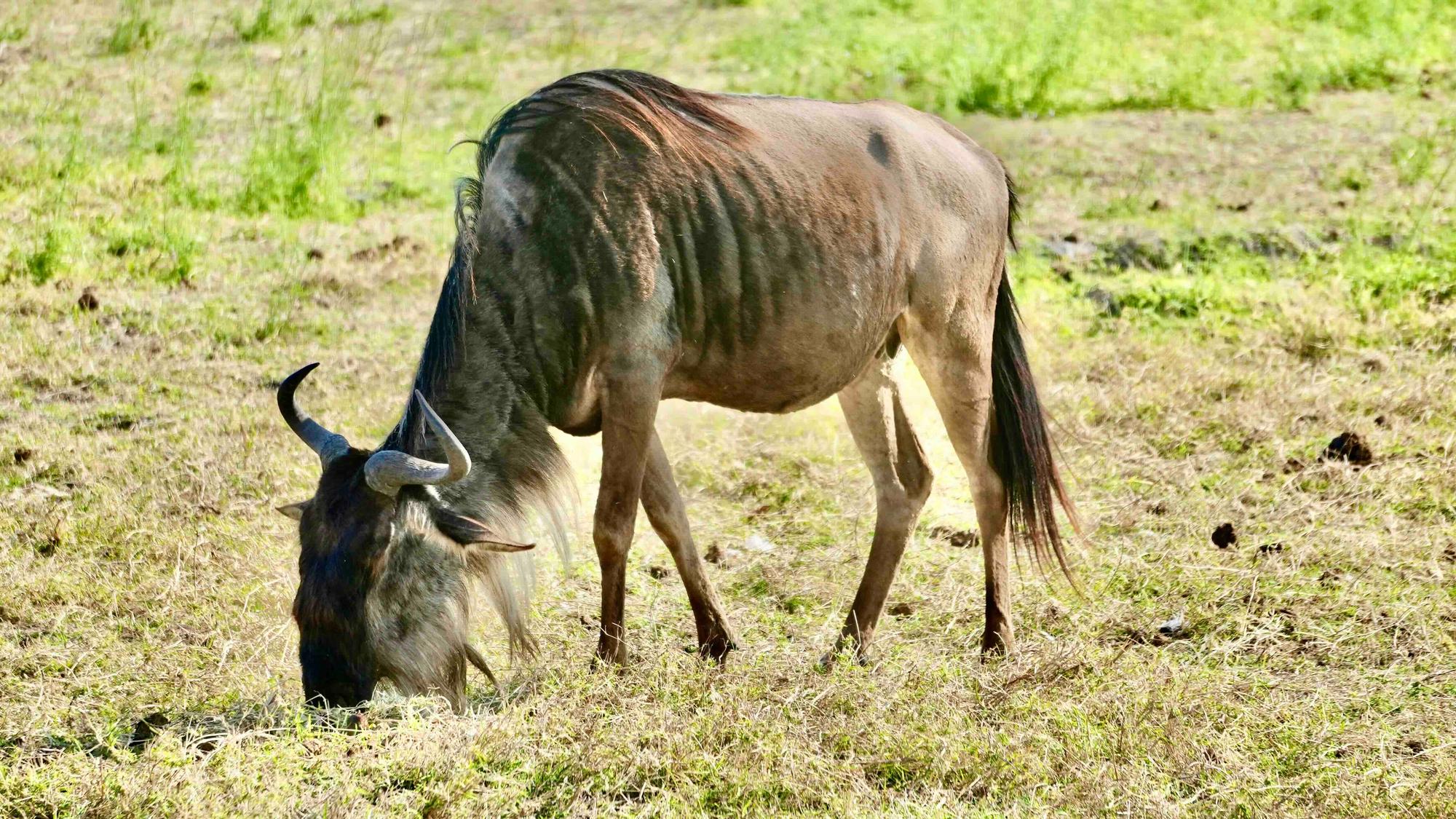
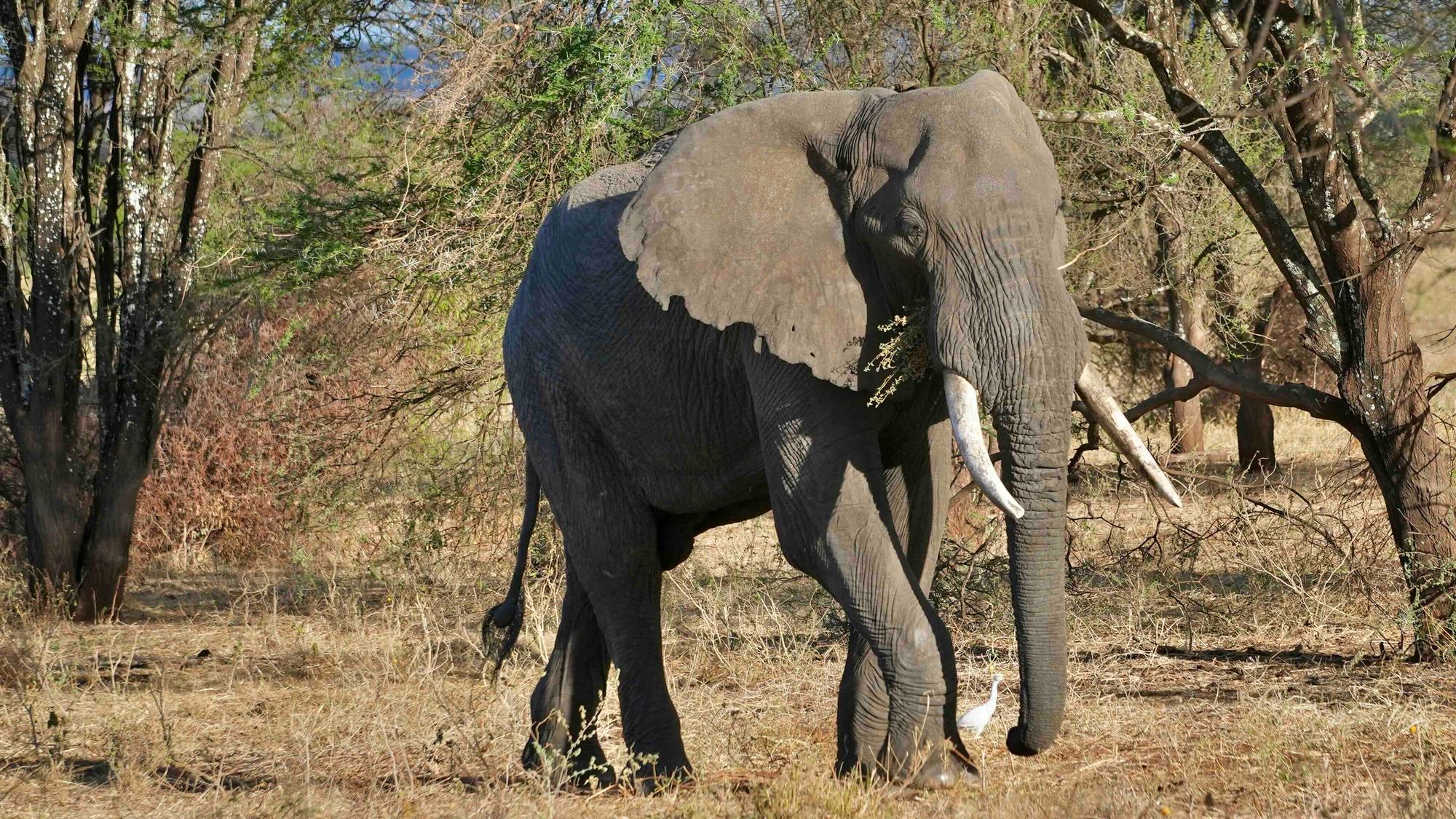
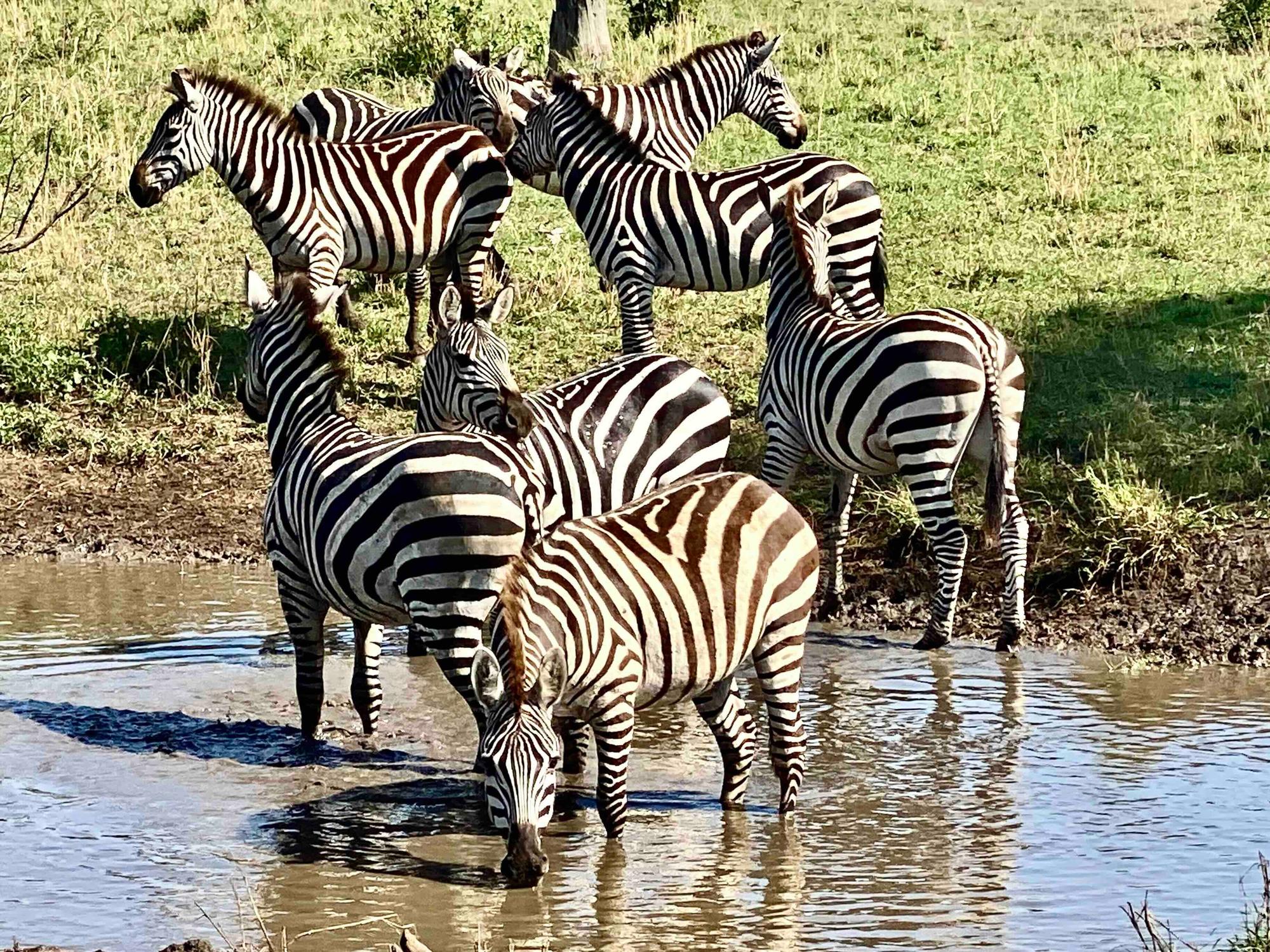
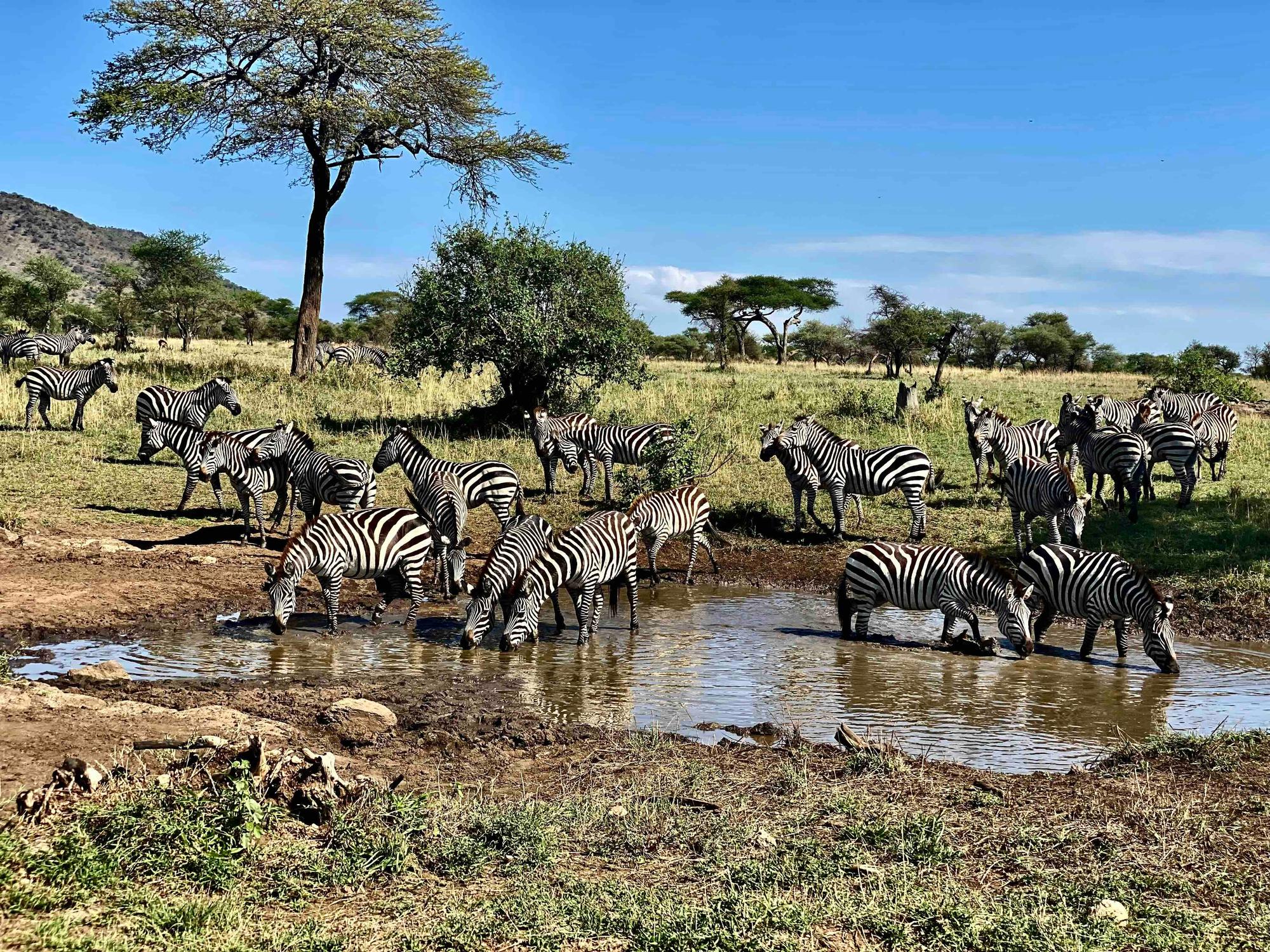
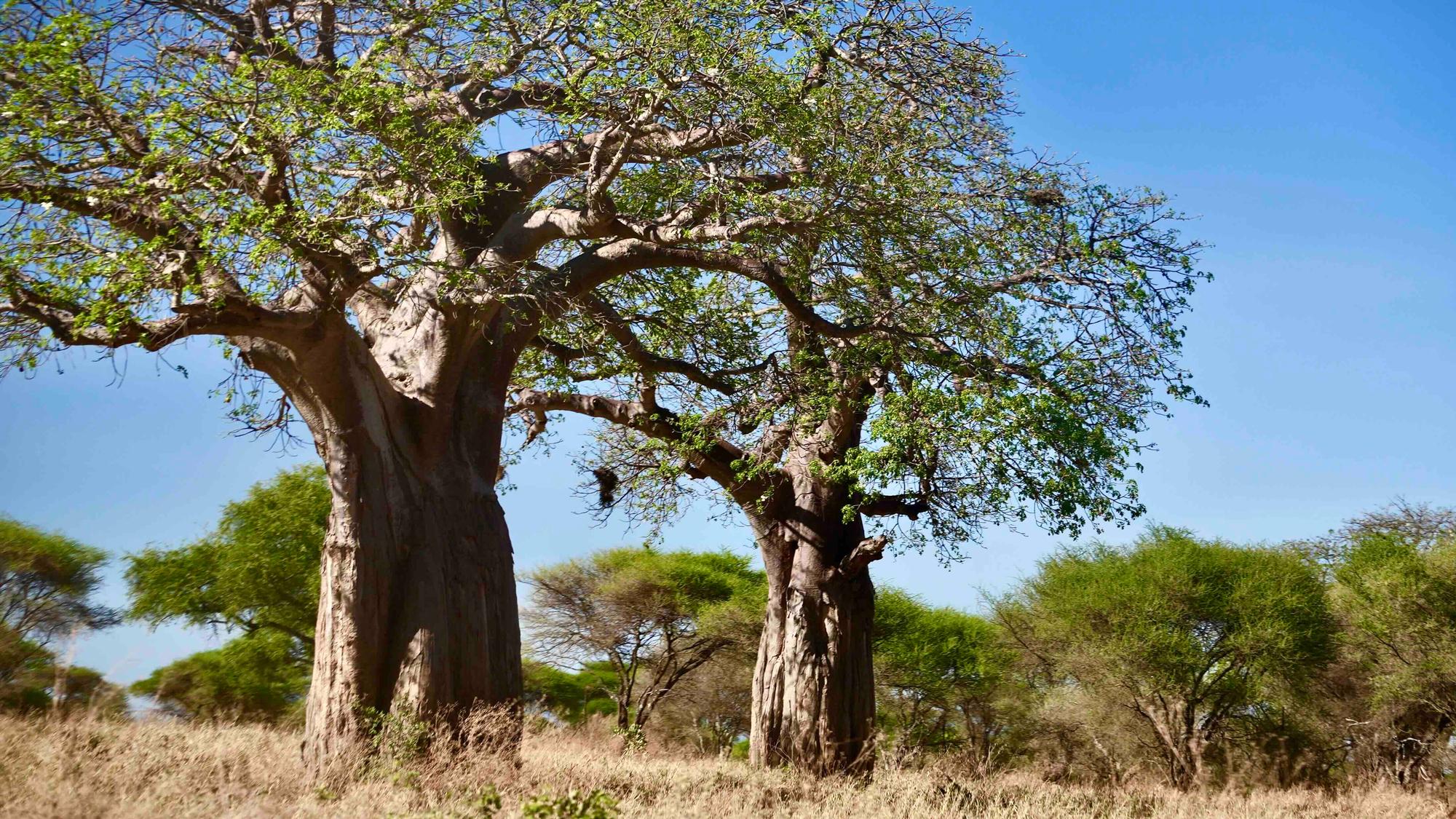
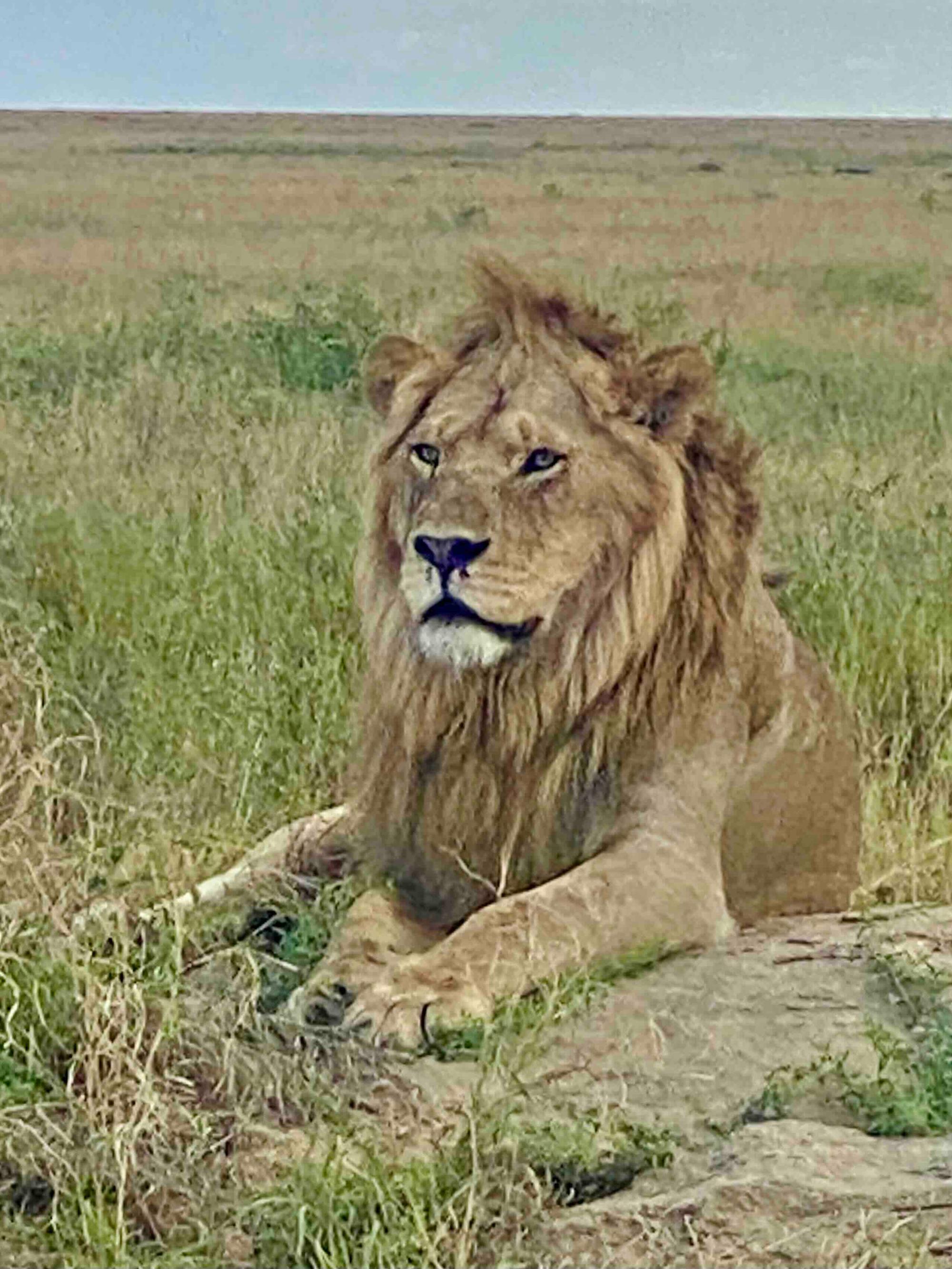
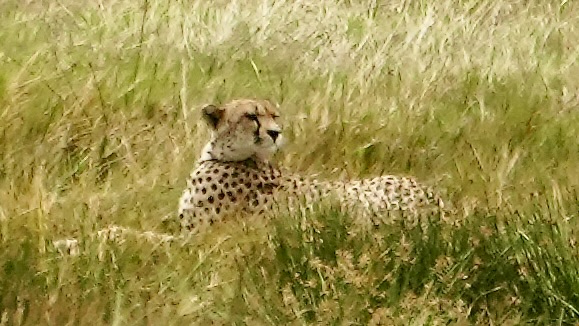
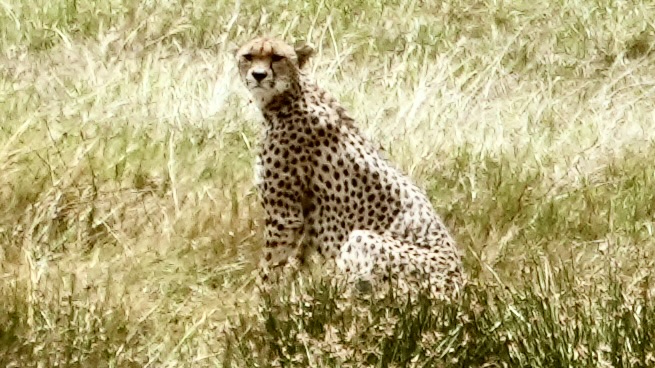
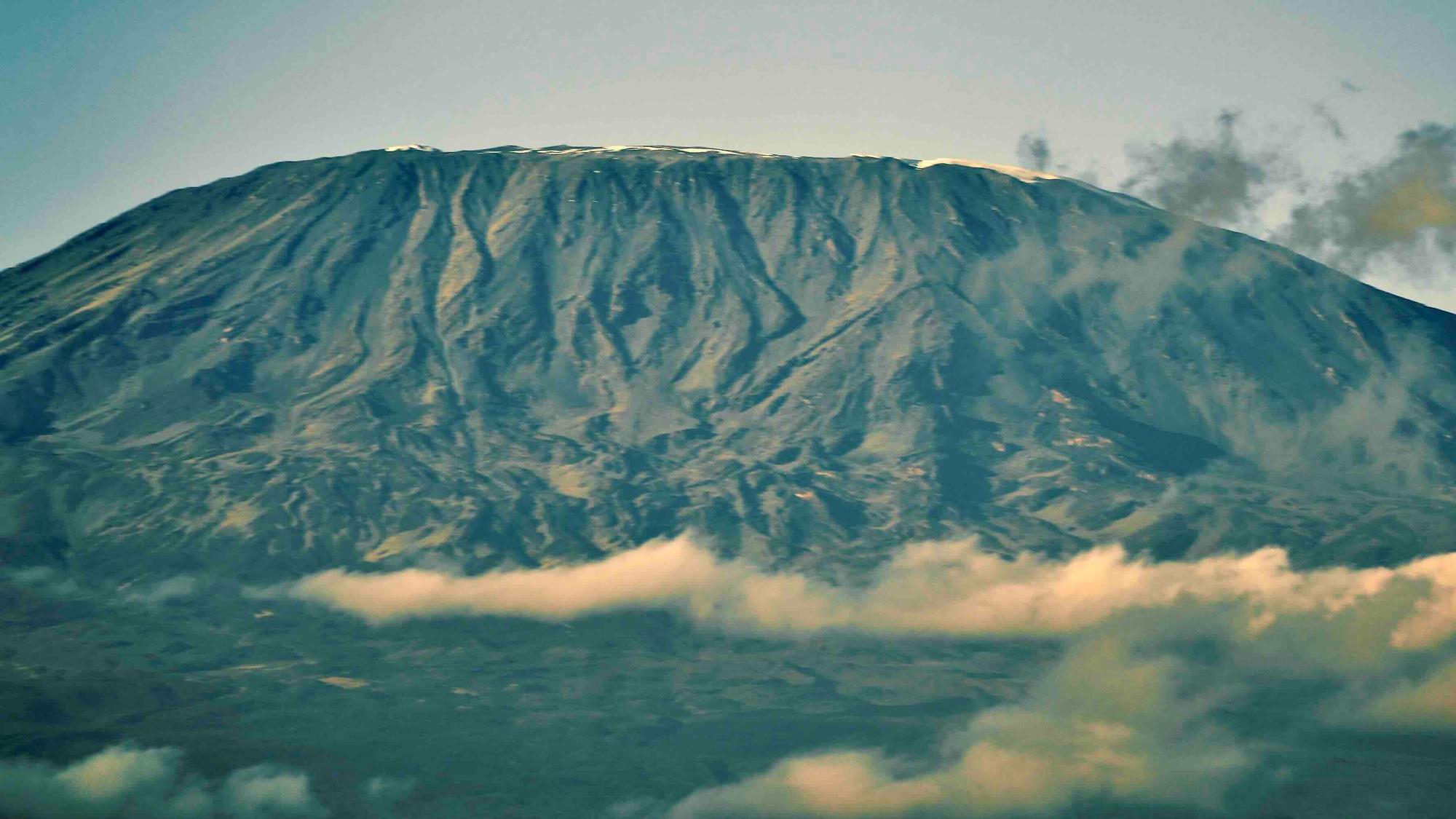
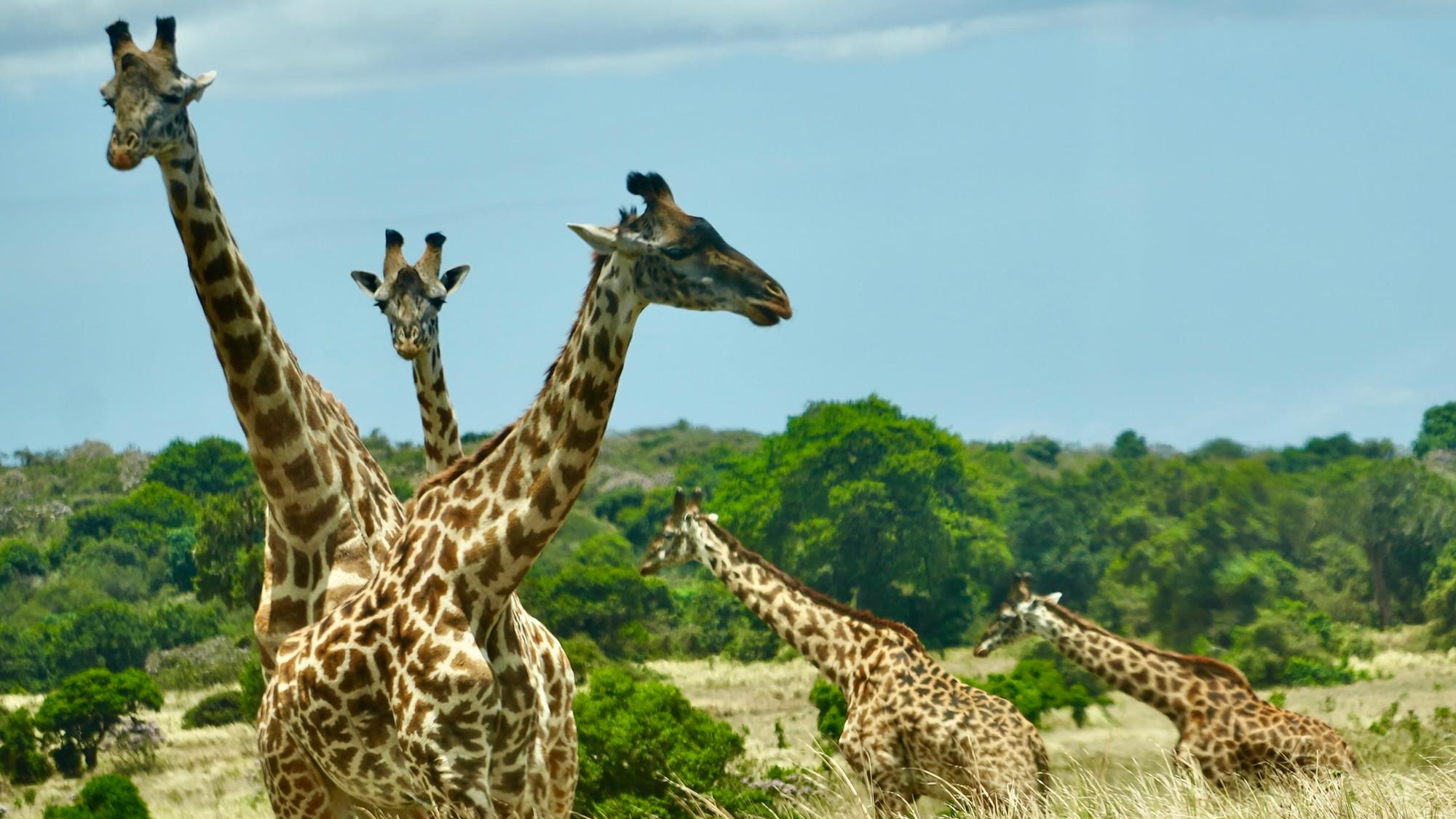
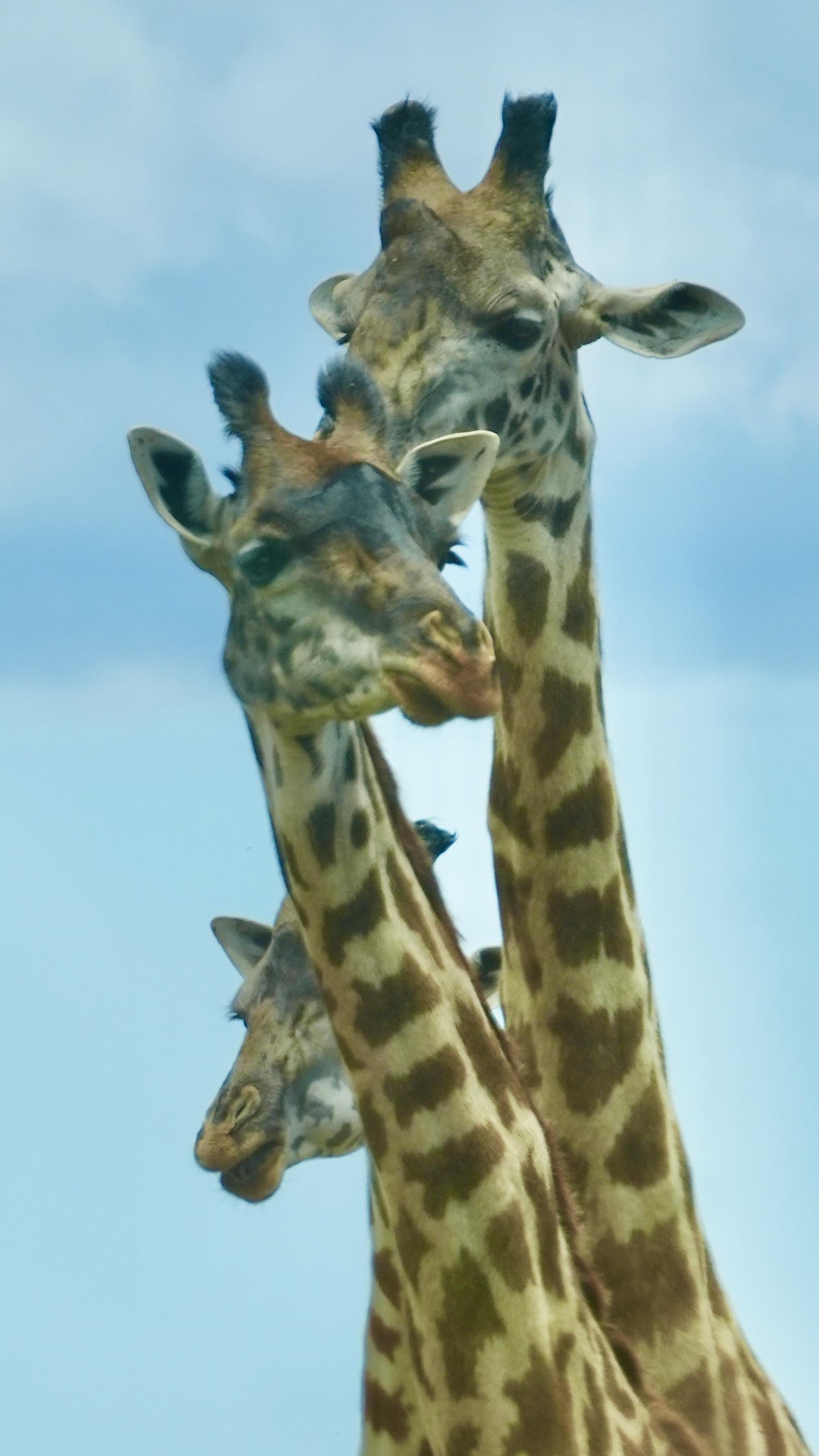
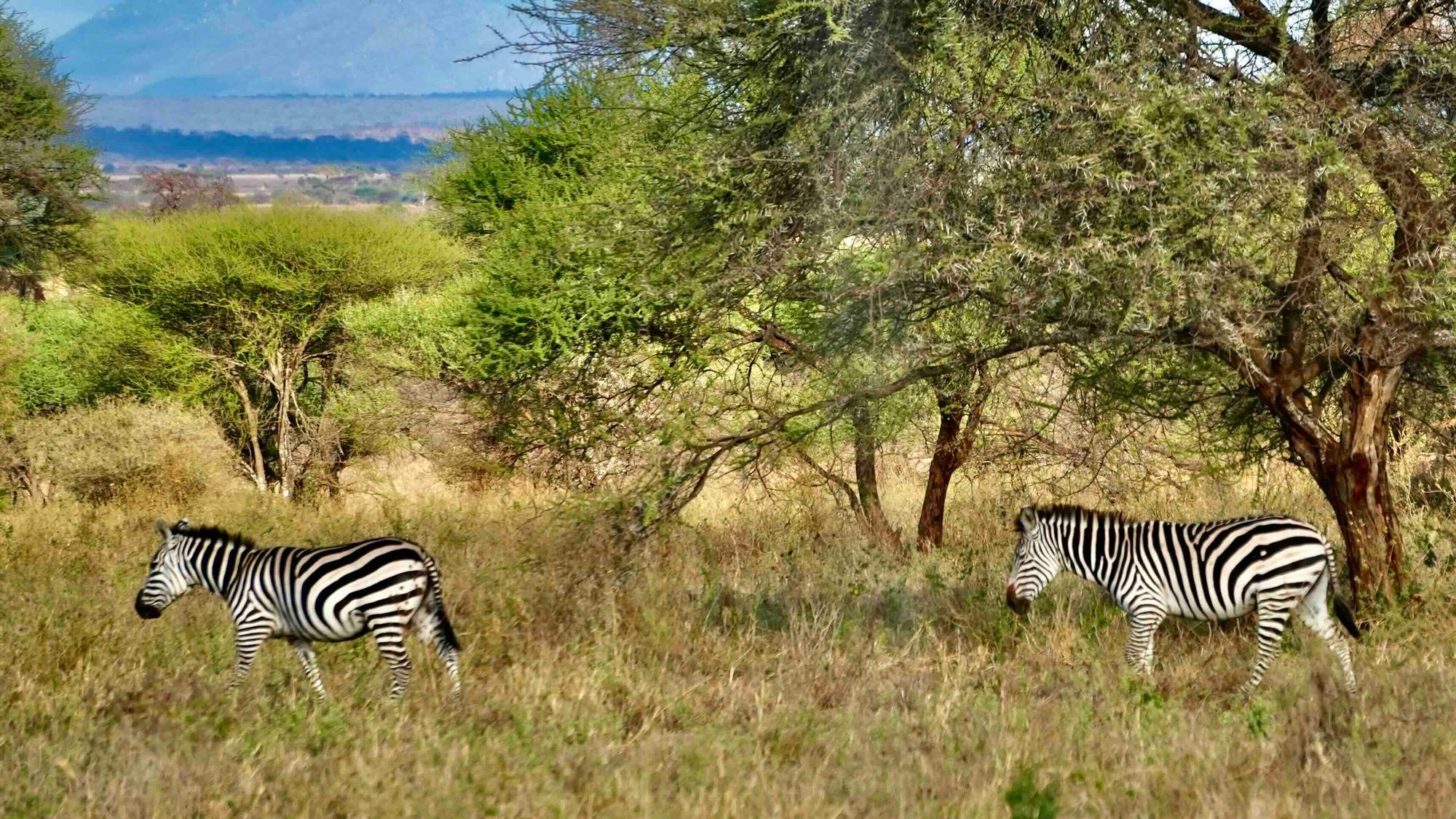
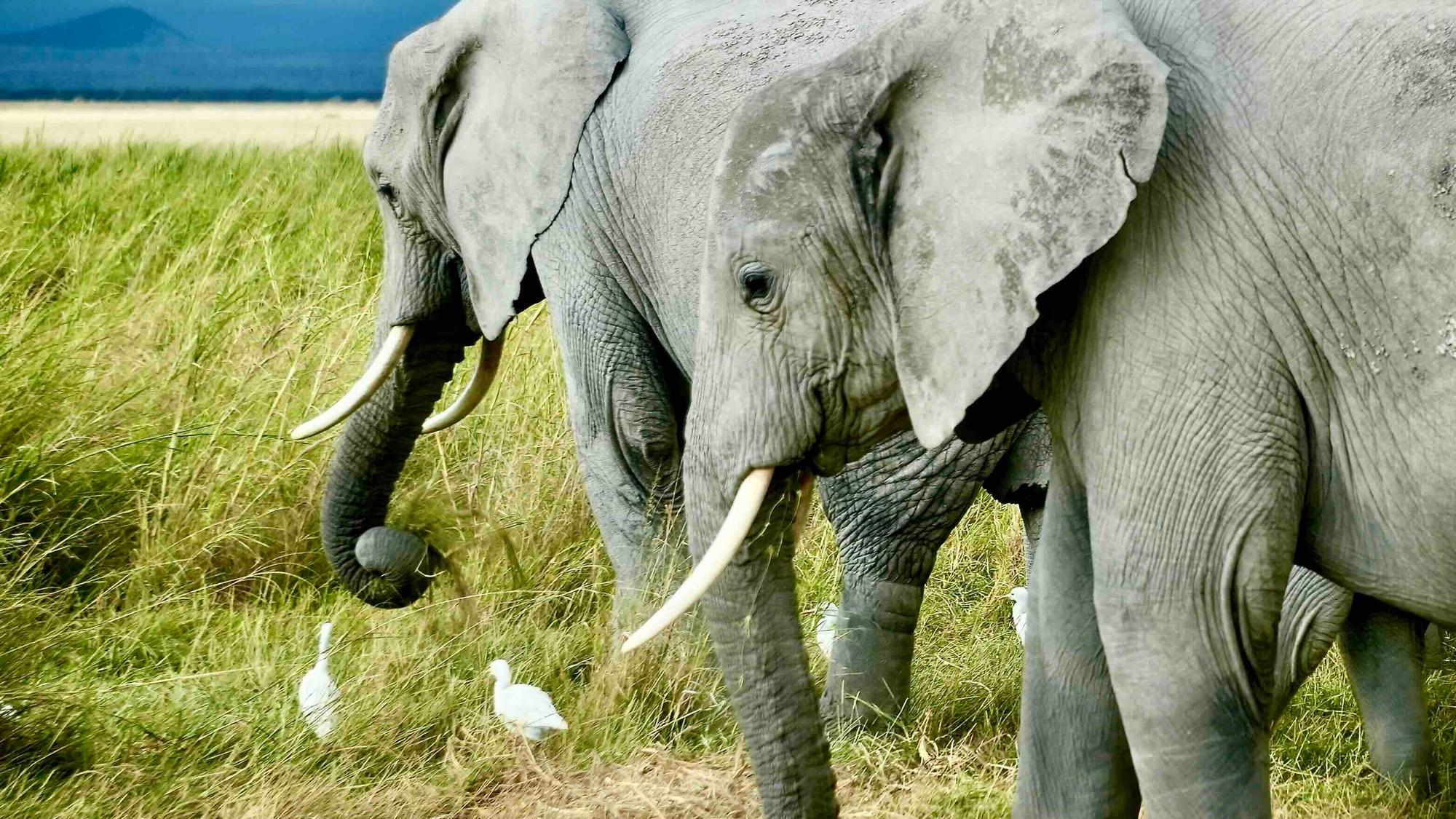
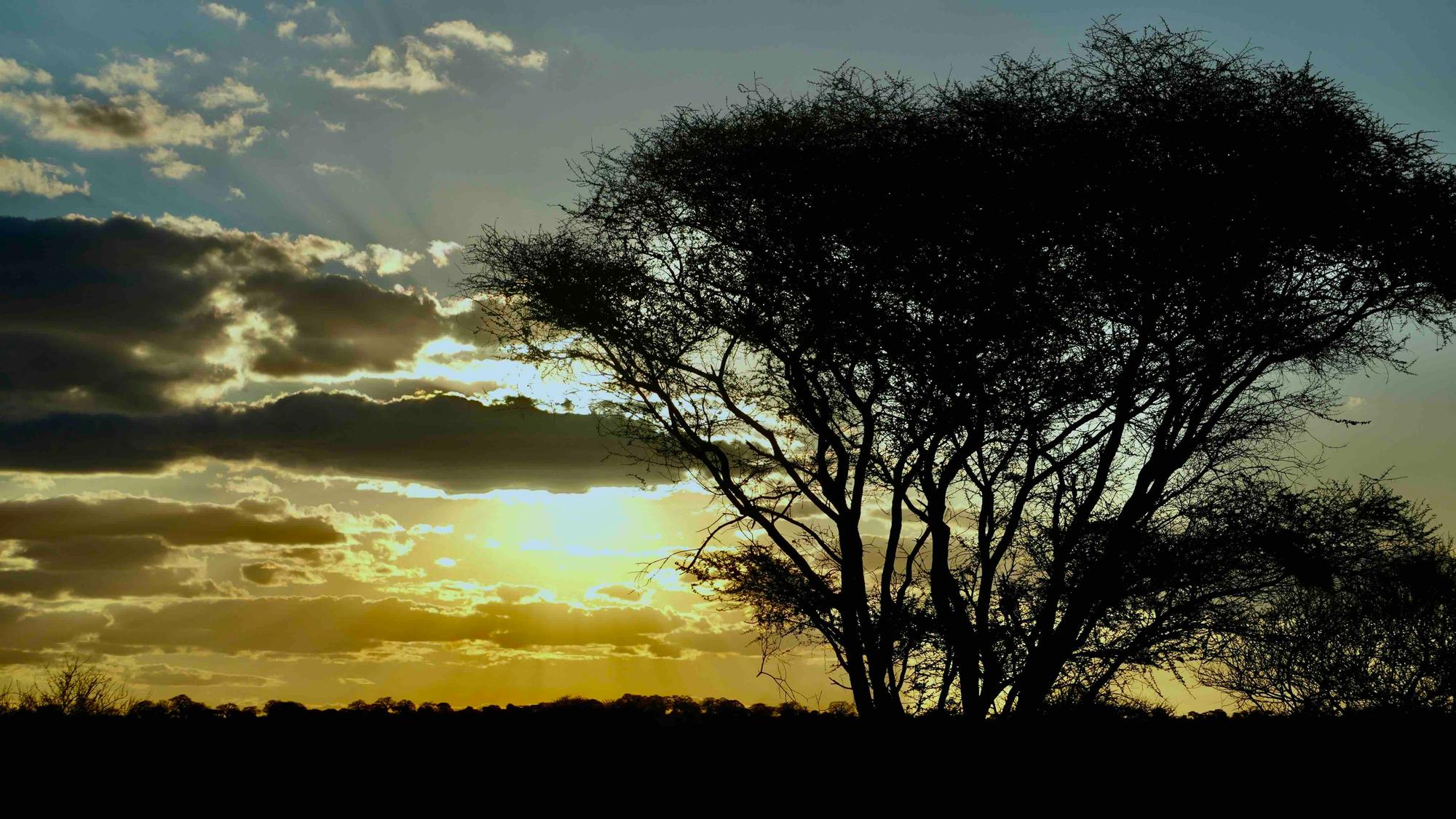
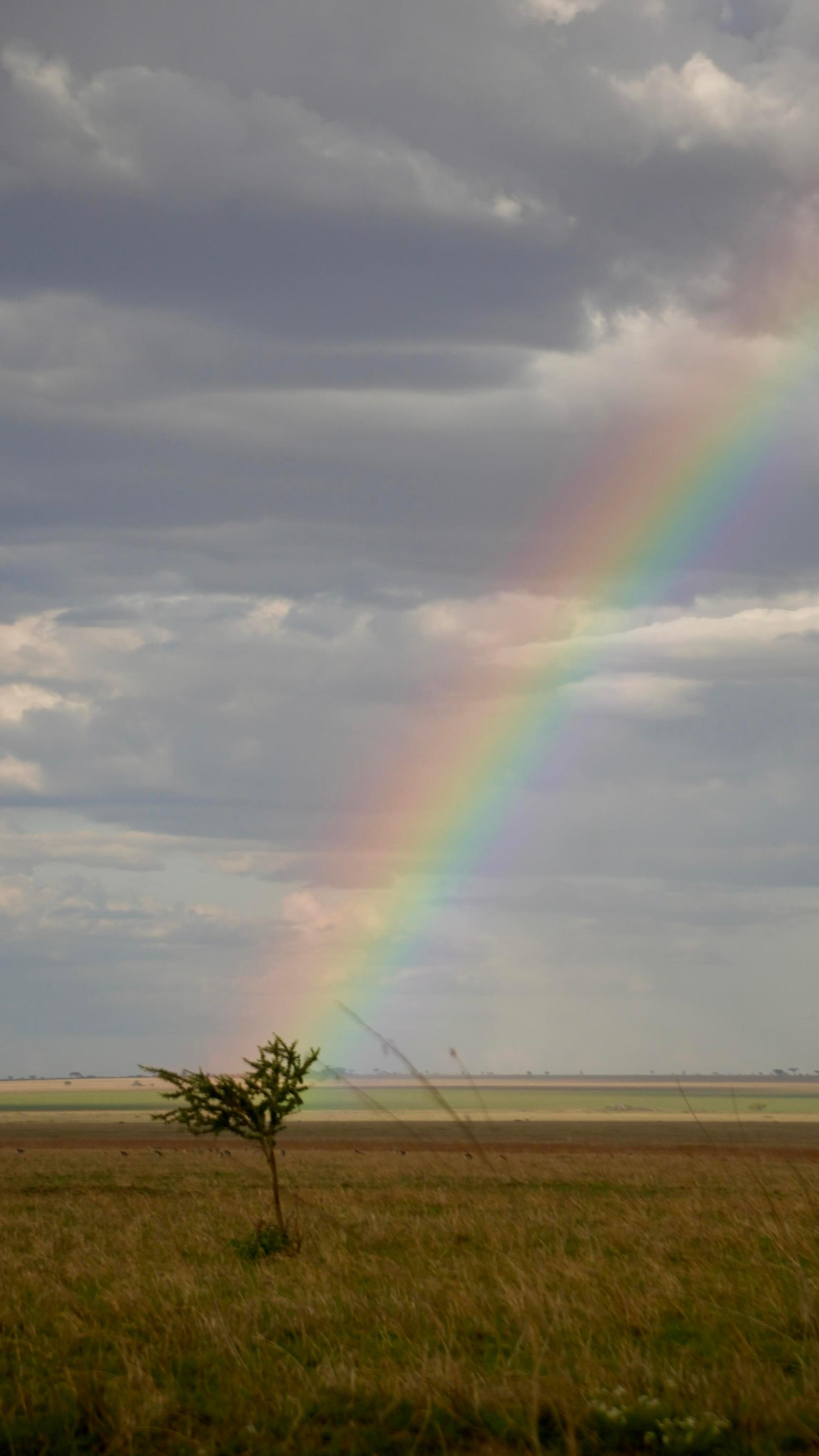
Our safari trip consisted of two weeks in Kenya and one week in Tanzania. It was nice to visit both countries for a broader perspective on how each is using its diverse animals to attract tourism. FROM KENYA INTO TANZANIA Tanzania borders Kenya to the south. The Masai tribe in Kenya lives in the area called the Masai Mara = “the Masai plains.” The Masai tribe in Tanzania lives in an area called the Serengeti = “endless plains.” The Masai are the one tribe that has chosen to maintain its original lifestyle. Thus they are the only people allowed to live in the fenced boundaries of the areas populated by the wild animals. The landscapes of the Masai Mara and Serengeti are similar and the native animals are similar, except that there are no rhinoceroses left in the Serengeti due to illegal poaching. The Serengeti of Tanzania is seven times larger in area than the Masai Mara area of Kenya. The annual wildebeest migration passes through both of these areas. We were unable to witness the wildebeest migration due to their inconvenient current location in the far south of the Serengeti. However, we saw plenty of non-migrating wildebeests in smaller numbers in both the Masai Mara and Serengeti. The division of the Masai tribal areas between the two countries is one legacy of colonialism. Kenya was ruled by the British and Tanzania by the Germans. Mount Kilimanjaro, Africa’s highest mountain, is located on the border of the two nations. Our Kenyan guide told us that the queen of England had “given” Kilimanjaro to Tanzania as a gift to the queen of Germany, simply by having the border map between Kenya and Tanzania redrawn. I’ve not been able to find written confirmation of this story. TANZANIA Both Kenya and Tanzania became independent states in the early 1950’s. Tanzania is the new name for the previous name Tanganyika. With independence, Tanganyika merged with the formerly independent island nation of Zanzibar, resulting in Tanzania. Both Kenya and Tanzania have faced the daunting process of modernizing their countries. The transition is incomplete. While tourism provides significant revenues, we witnessed poor rural towns and villages similar to the rural villages of India. The village dwellers live from their herding of cattle, sheep, and goats, as well as some agriculture. Only 20% of Masai land is suitable for agriculture. The Masai were traditionally nomads, subsisting totally from their animal herds. EARNEST HEMMINGWAY One of the resorts in Kenya had been the residence of Nobel writer Earnest Hemmingway. His visit resulted in his novel The Snows of Kilimanjaro (which I now must read!). Hemmingway was a macho guy. He embraced the Masai diet and lifestyle. His diet consisted only of meat (from livestock and wild animals), milk (from the cow and goat herds), and occasional tropical fruits when they were in season. The Masai of that area cultivated no vegetables at all. We visited the bar in the building where Hemmingway had lived. The bar area was Hemmingway’s former living room. The building is on a hill with a clear view of Mount Kilimanjaro. The proprietor of the bar was the nephew of the Masai man who had befriended, guided, and served Hemmingway during his months-long stay in the Masai Mara. Hemmingway had donated the building to his helper’s family when he left the Masai Mara for the last time. It was an unexpected event to encounter this century-old cultural meeting of Hemmingway and the Masai in the 1920’s. HOW DID IT FEEL IN THE SERENGETI? How can I describe a feeling in words? Every unique location has a unique feeling based on its weather, the landscape, the quality of its nature, the inhabitants, etc. The endless plains of the Serengeti feel vast. The ground is covered in grass, which provides the main diet for many of the native animals. There are occasional trees, usually acacias. In small clumps of trees providing shade, we often found lions resting in the shade. On two separate occasions, we encountered felines feasting on a recent kill. Cheetahs are the fastest land animals in the world. Two cheetahs had killed a pregnant antelope and were eating the organs out of the antelope’s chest cavity. The cheetahs’ heads were red with the antelope’s blood. The other encounter was of a wildebeest killed by a pride of lions. Two lions were picking the bones clean. Several other lions were resting close by. They were probably higher in the “peck order” and had already eaten their fill. Lions, leopards, and cheetahs will consume many pounds of fresh meat from a kill, which allows them to rest without hunting for several days. The most numerous animals were the zebras. We saw large herds of them throughout the Serengeti. The second most numerous animals were the impalas, the graceful and beautiful herds of antelopes. The name Impala was a good choice of names by Chevrolet for one of its vehicles. On the other hand, there was the Chevrolet Nova, which was a linguistic faux pas, because it means “no-go” in Spanish. Elephants and buffalos are the largest animals. As adults, they have no natural enemies. Lions and leopards might try to kill baby elephants, but their mothers will protect their babies and kill the lions with their large tusks. The same situation applies to buffalos, which travel in large herds. Otherwise, we saw other breeds of antelopes, including the smallest of all, the Dik-diks. We saw herds of buffalos and wildebeests. The giraffes were the most graceful animal of all, browsing among the tender leaves at the tops of the trees. There were also two of the ugliest animals, the warthogs and hyenas. We also saw numerous ostriches, the world’s largest and fastest flightless birds. Consider that in prehistoric times, the whole world was populated by a wide variety of large wild animals. America originally had huge herds of bison, which were almost exterminated by the white men. Australia and India still have some wild animals surviving from previous eras. Now, East Africa is the only area left on earth with the remnants of the largest number of species, living freely in their natural habitats. The Masai protect the animals, just as the Native Americans protected the American bisons. ONE MORE BLOG TO COME I intend to write one more follow-up blog when I get home, to discuss and compare Kenya and Tanzania. I took hundreds of photos of the amazing animals. So I’ll be able to include some more of my photos in the blog’s accompanying photo gallery.