Bali
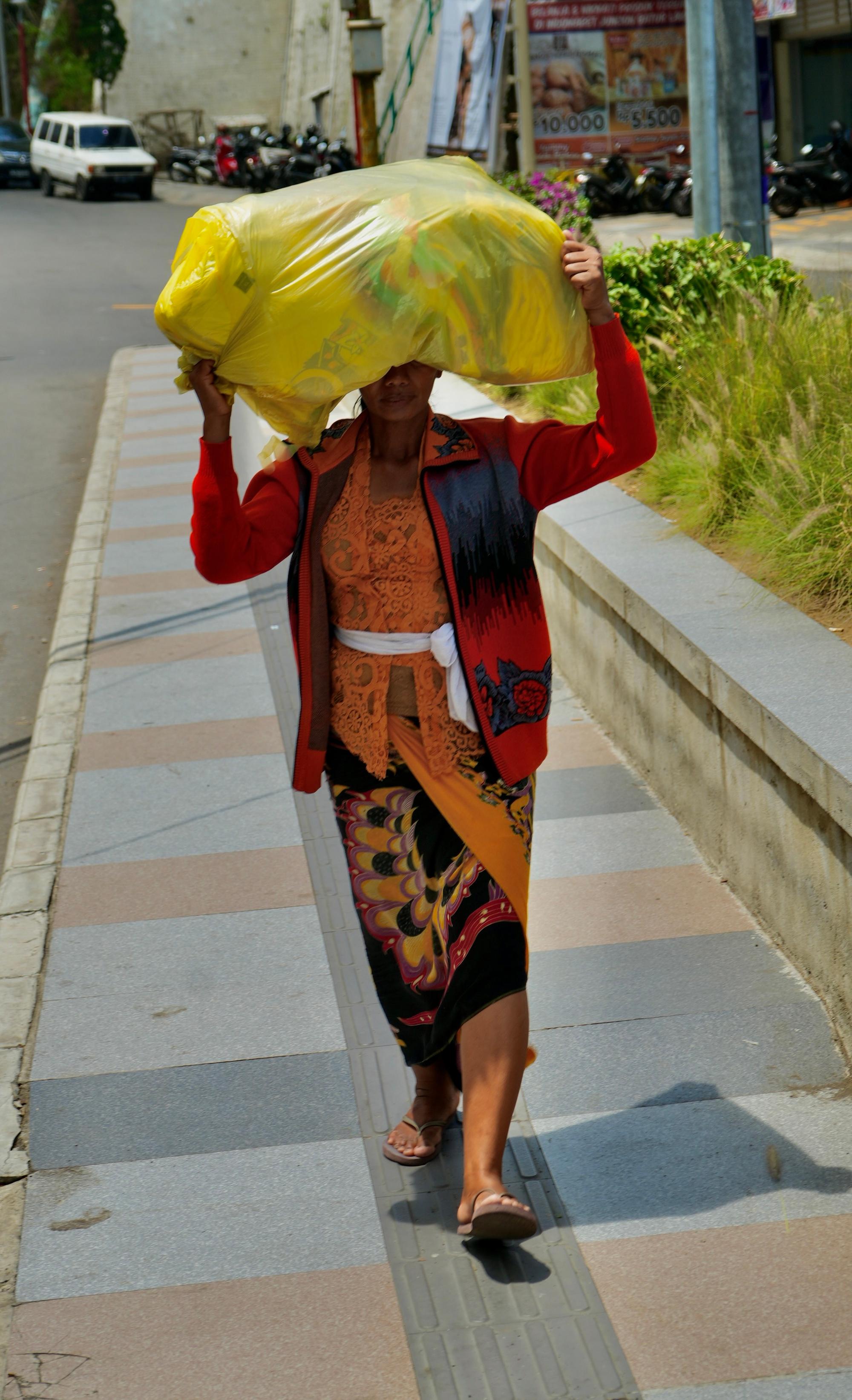
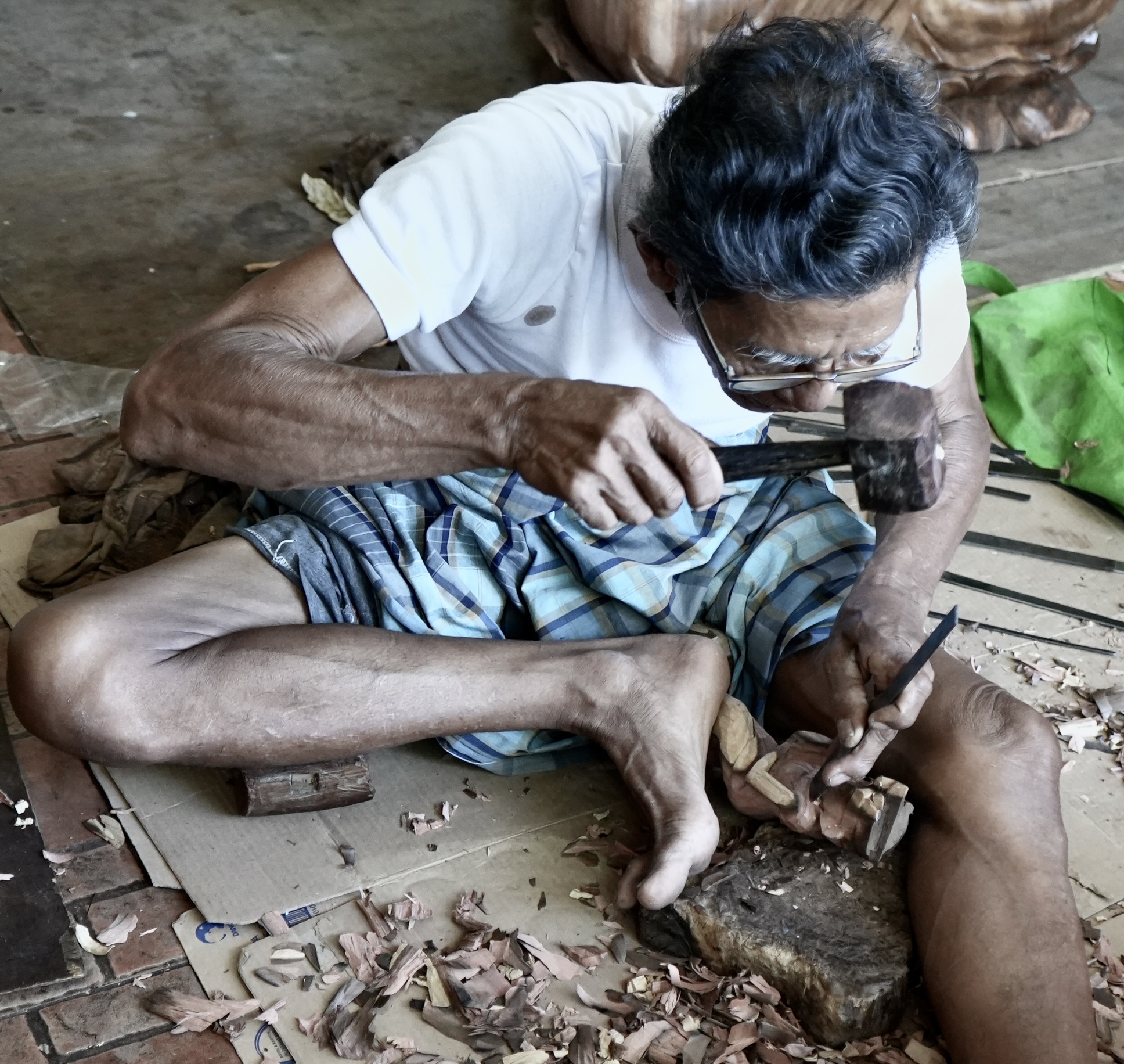
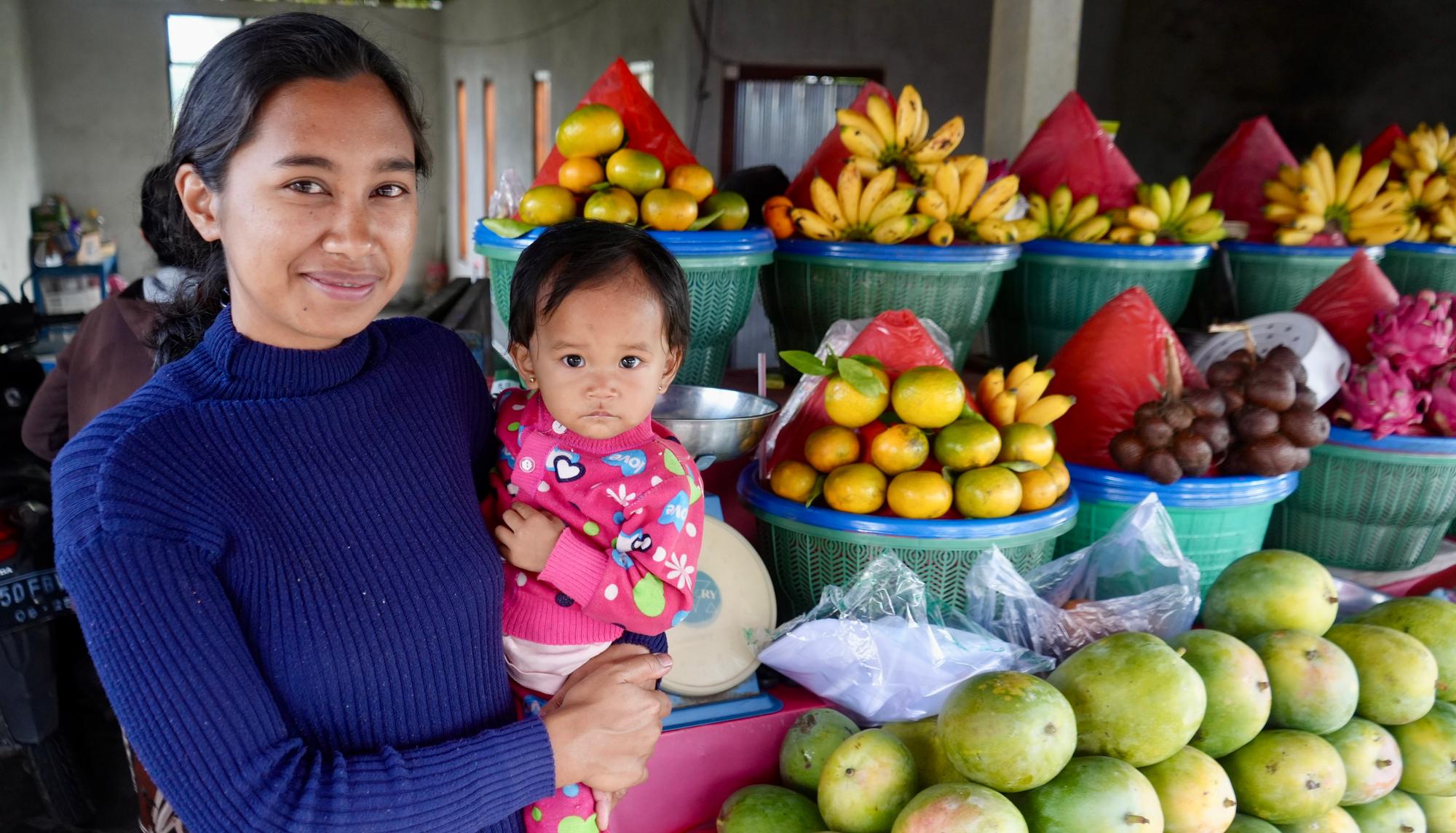
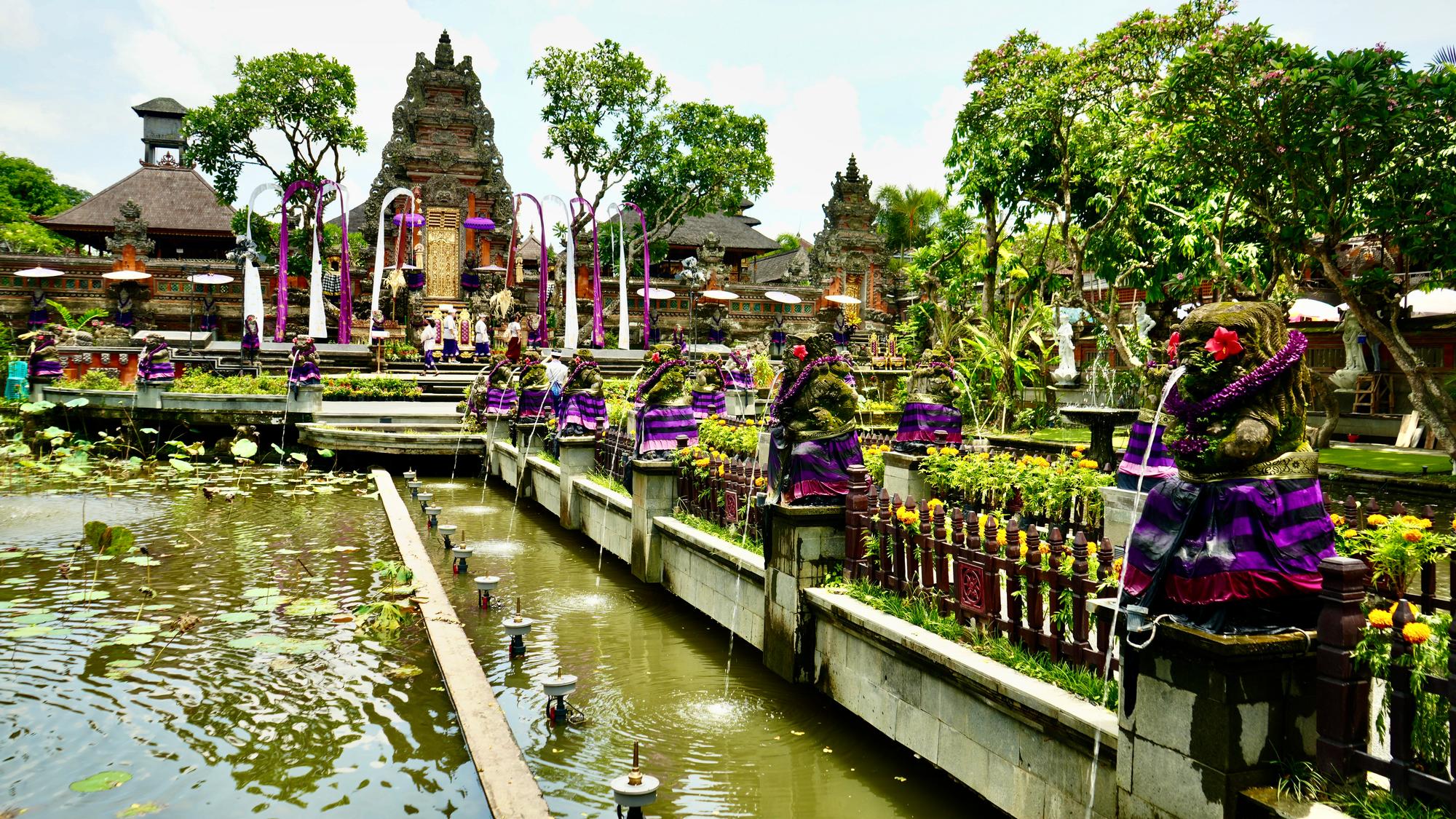
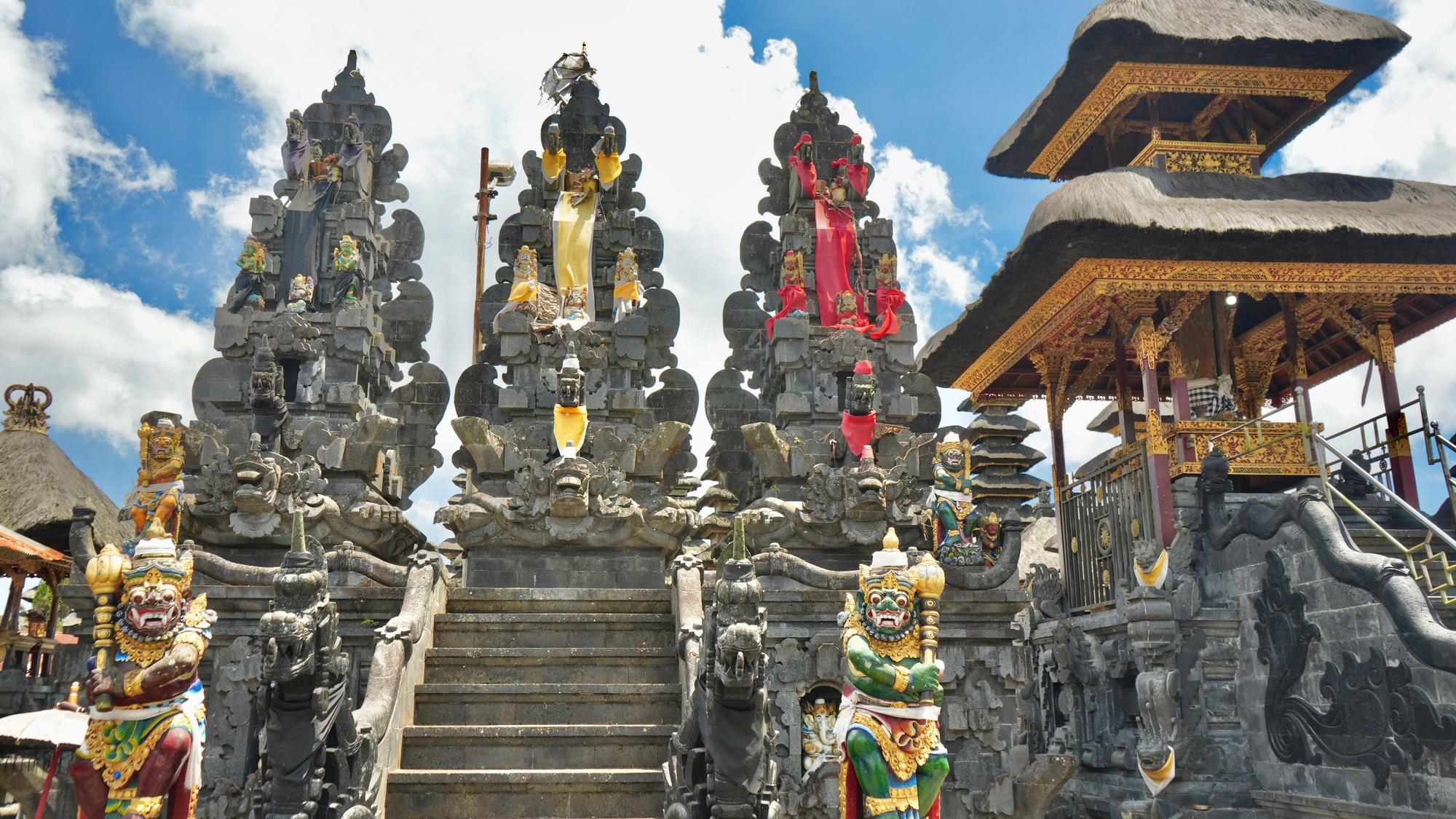
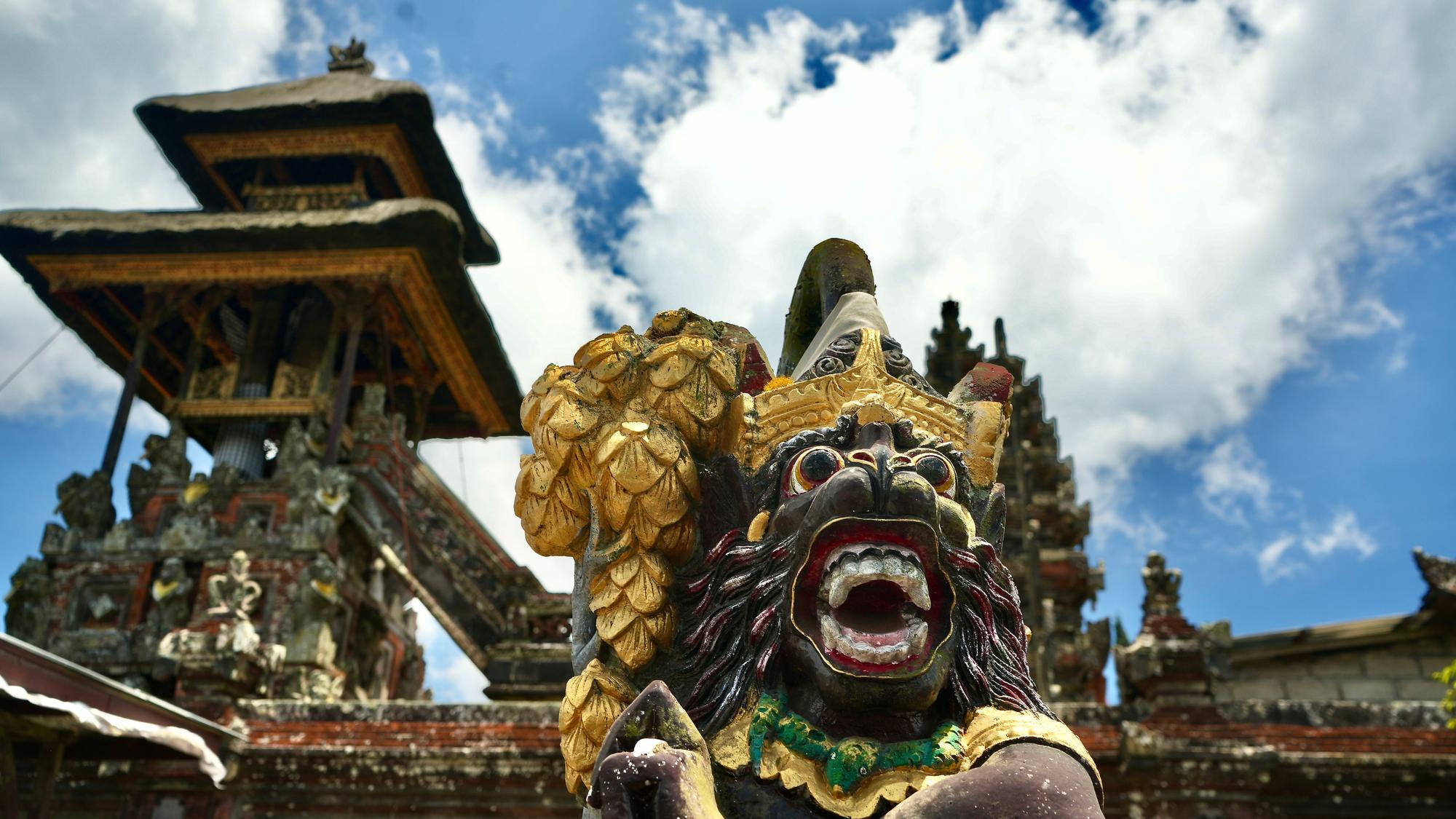
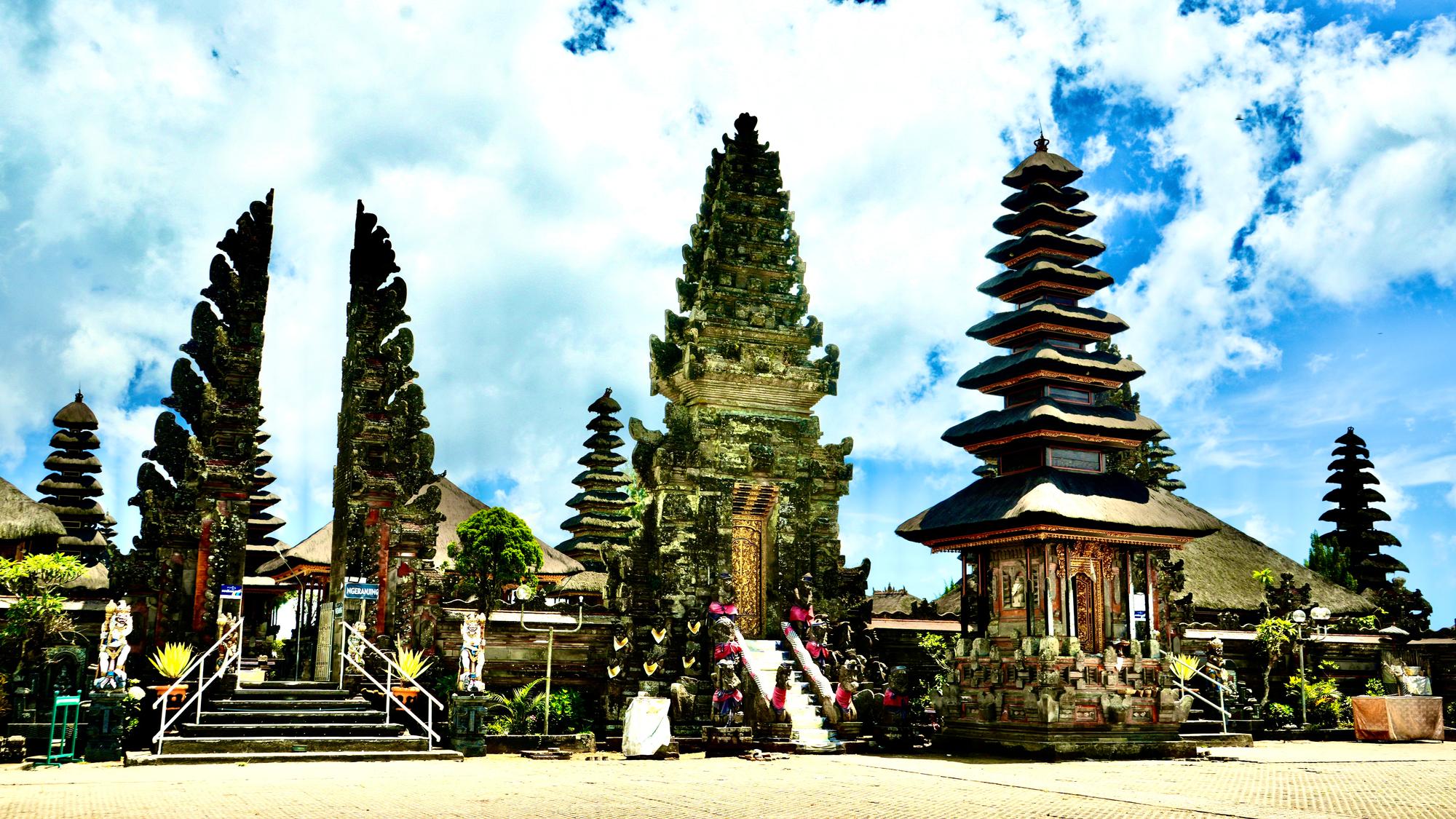
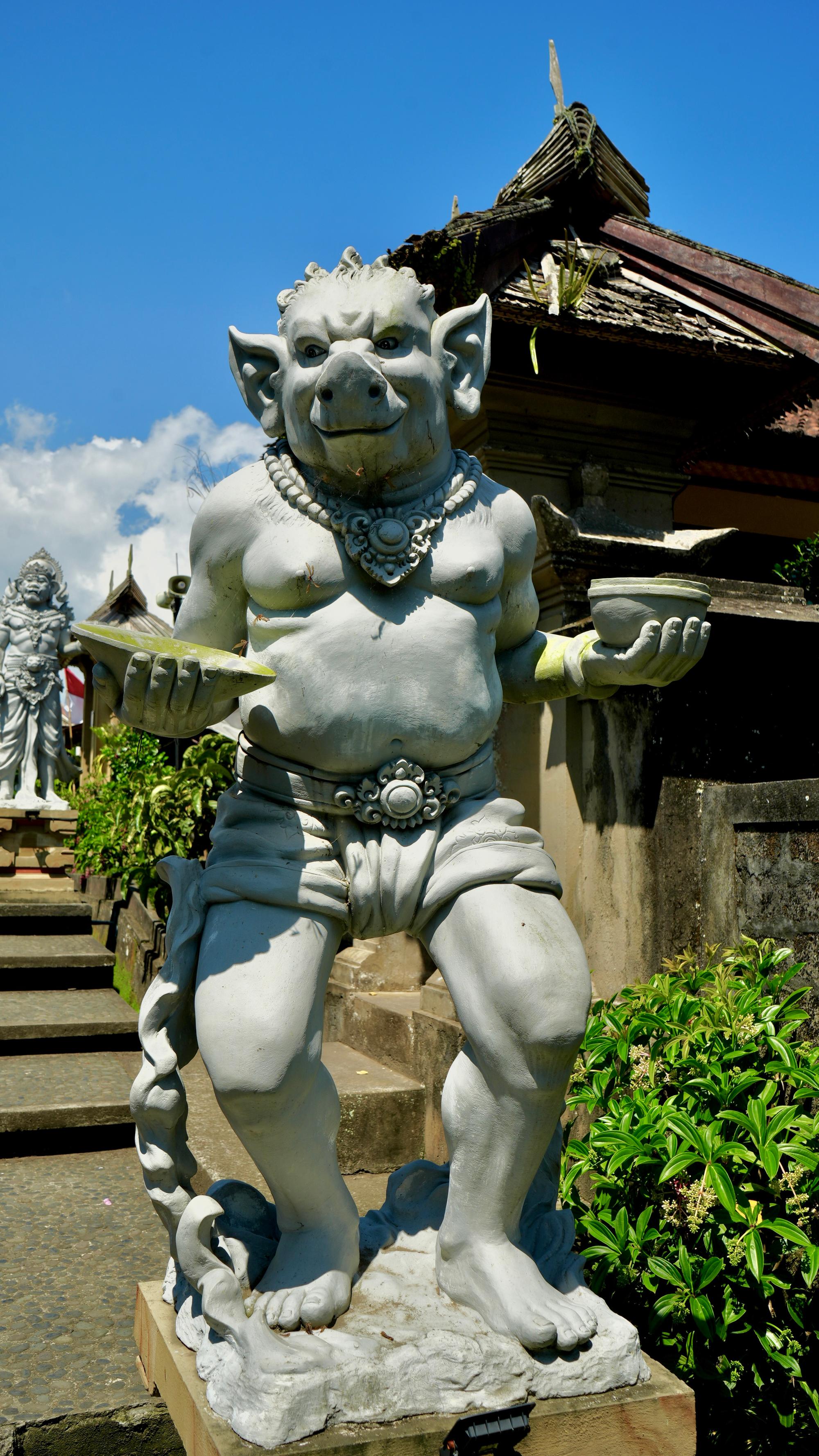
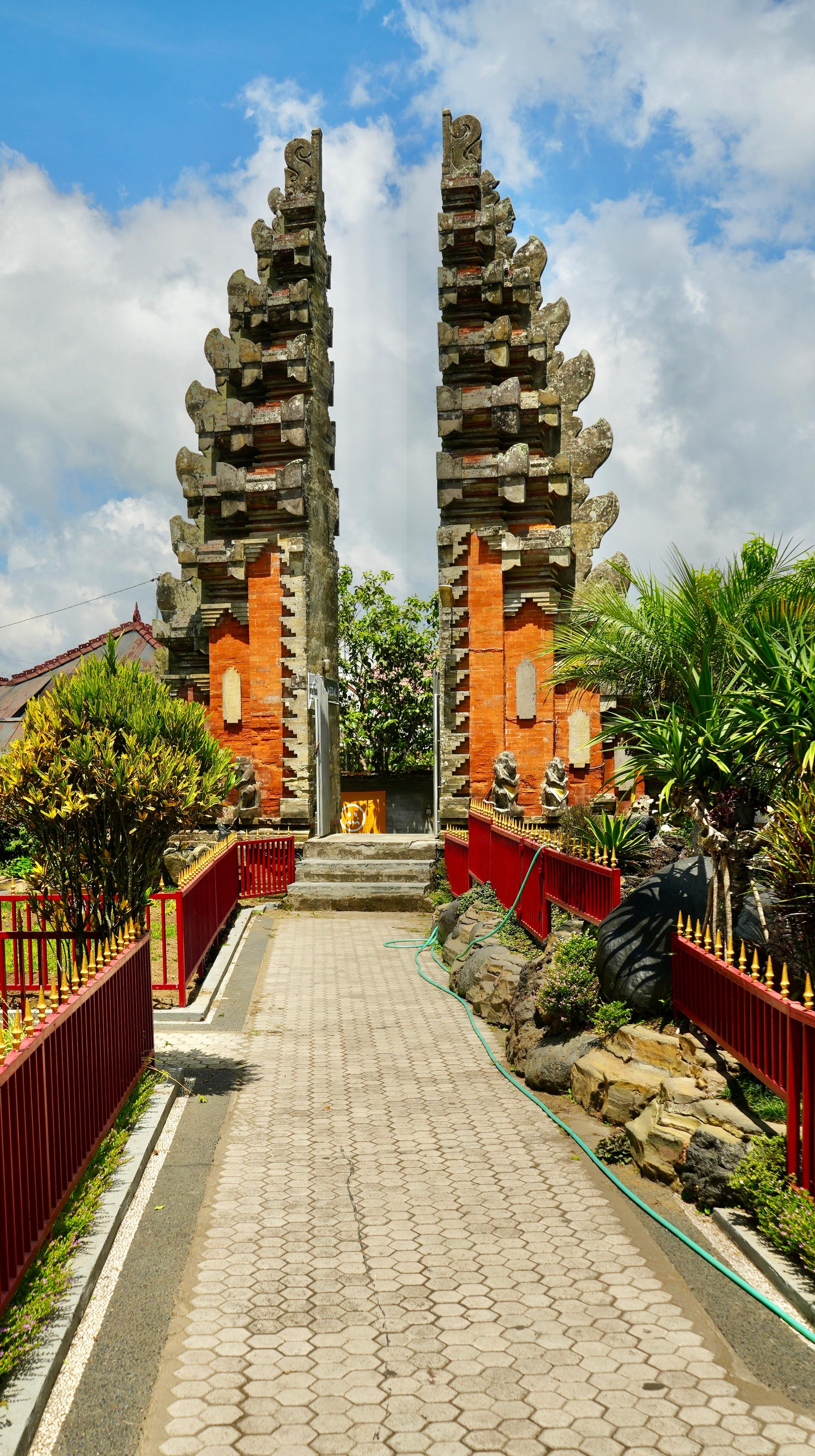
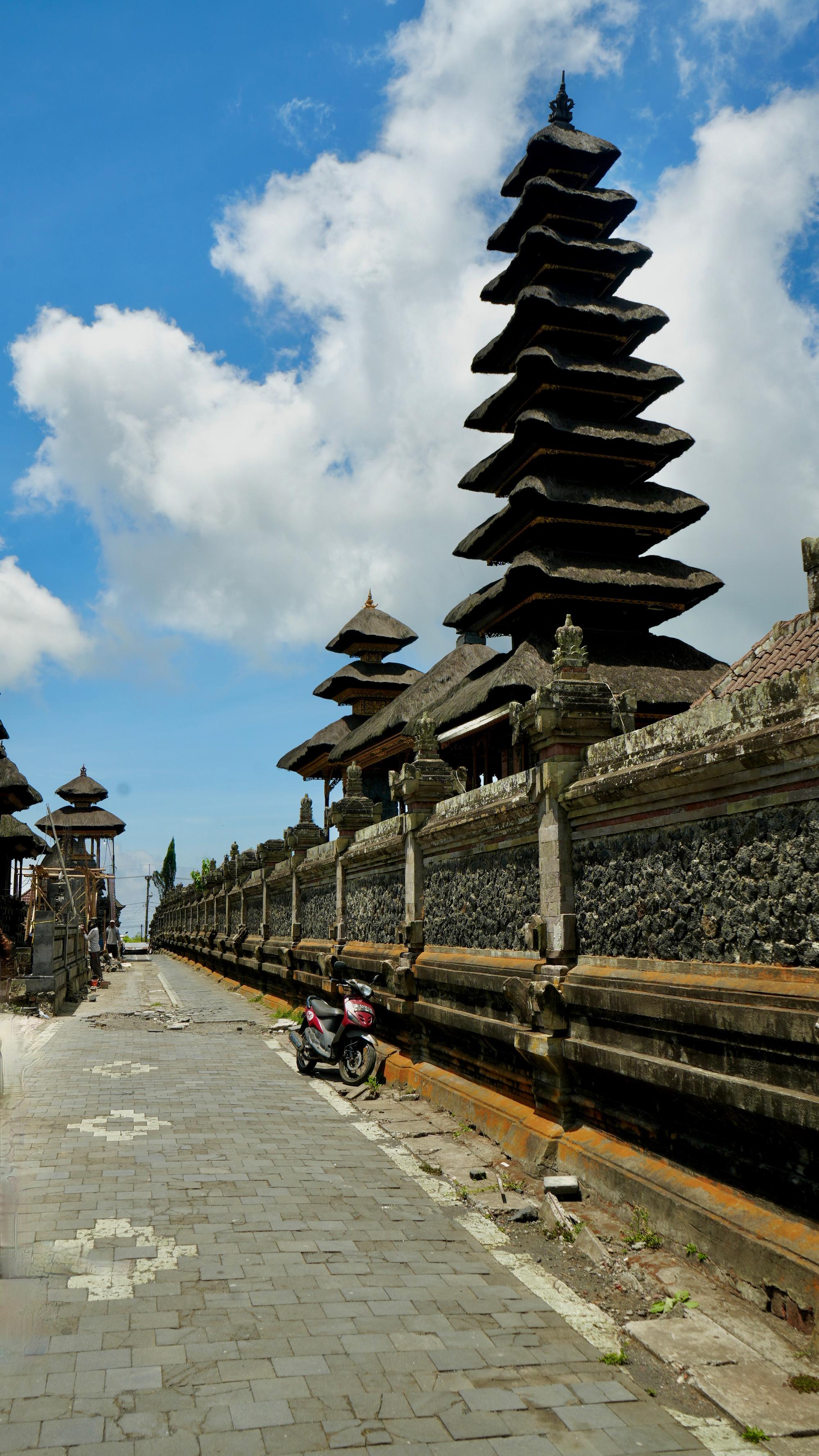
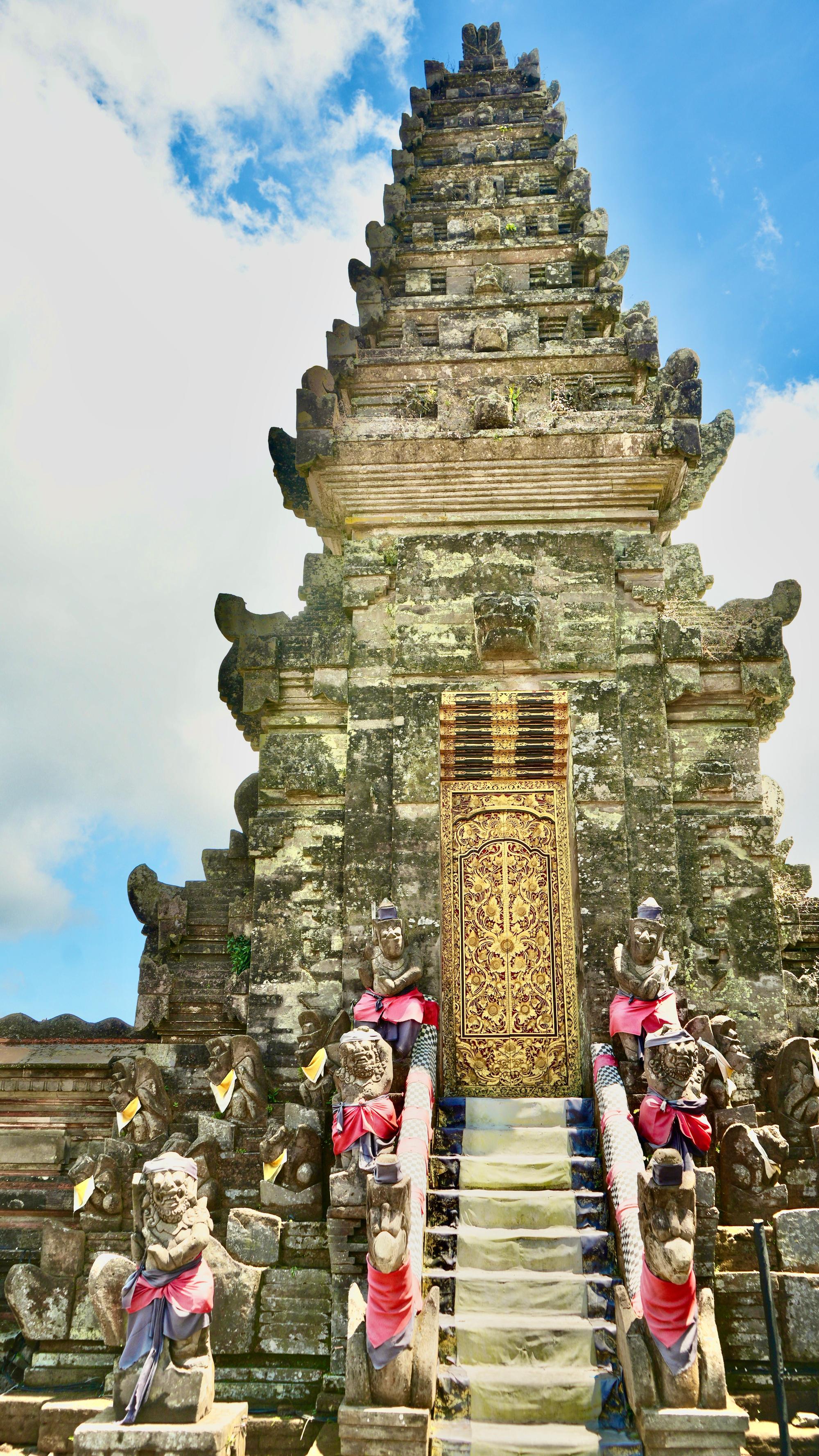
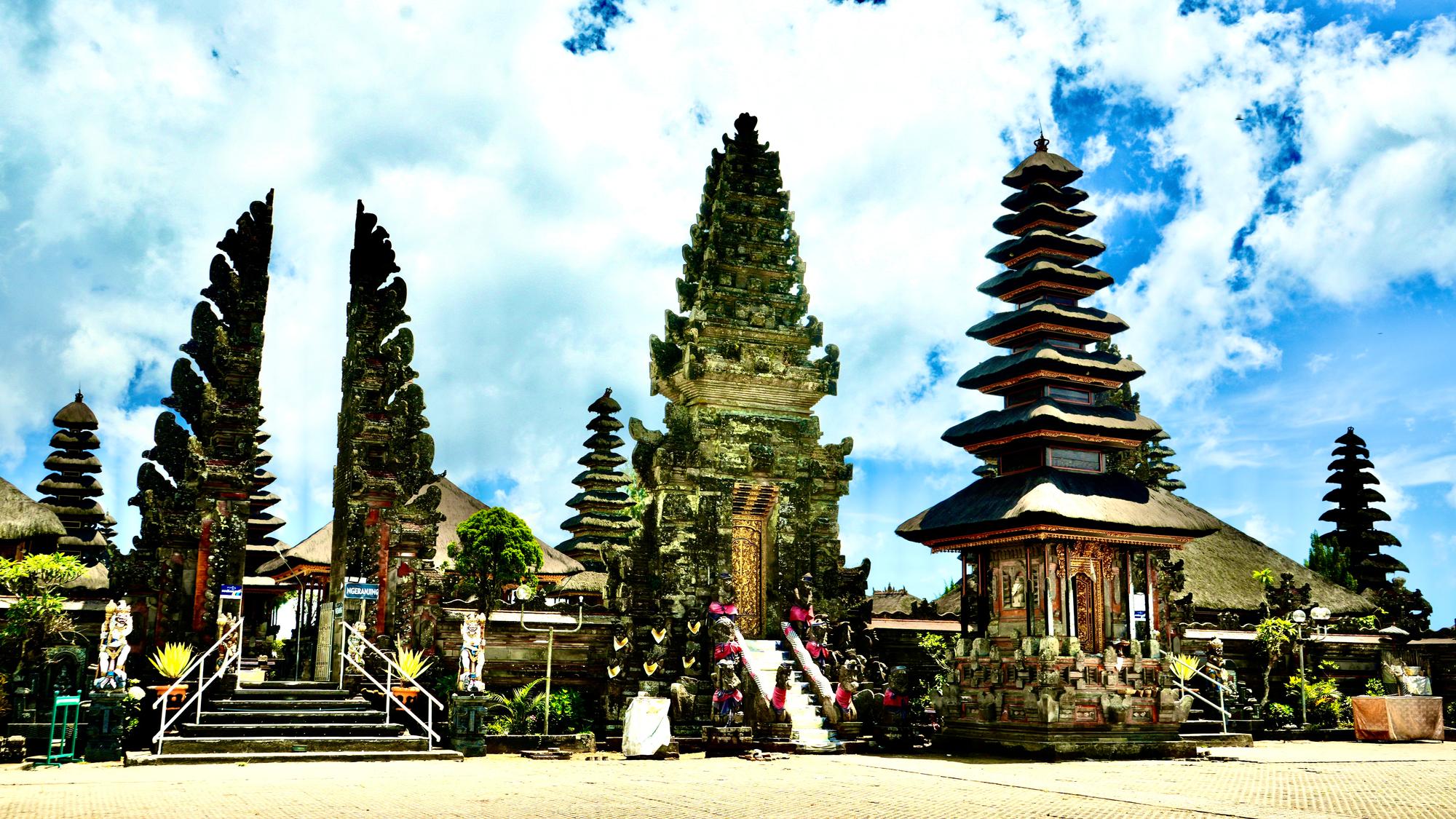
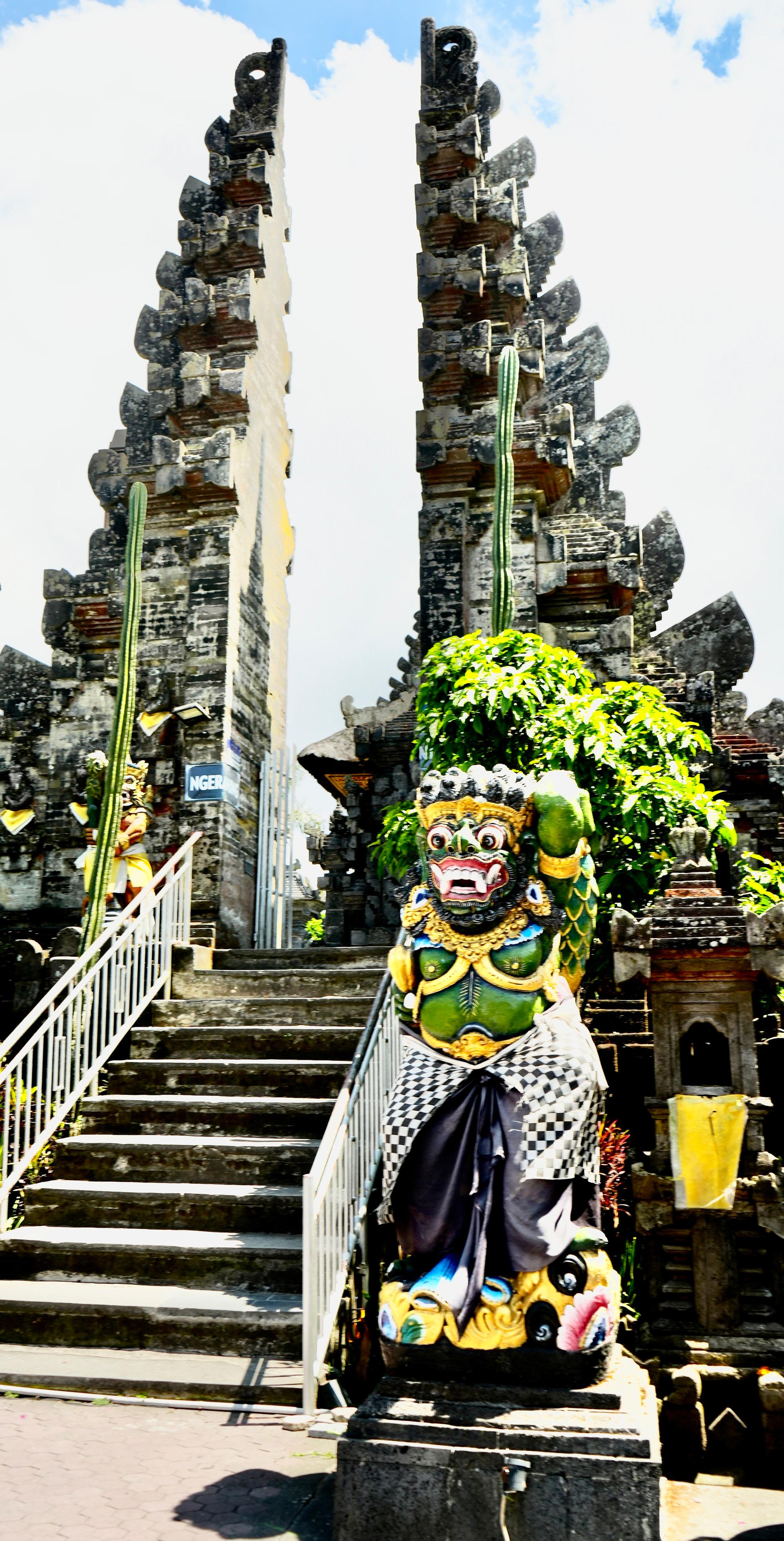
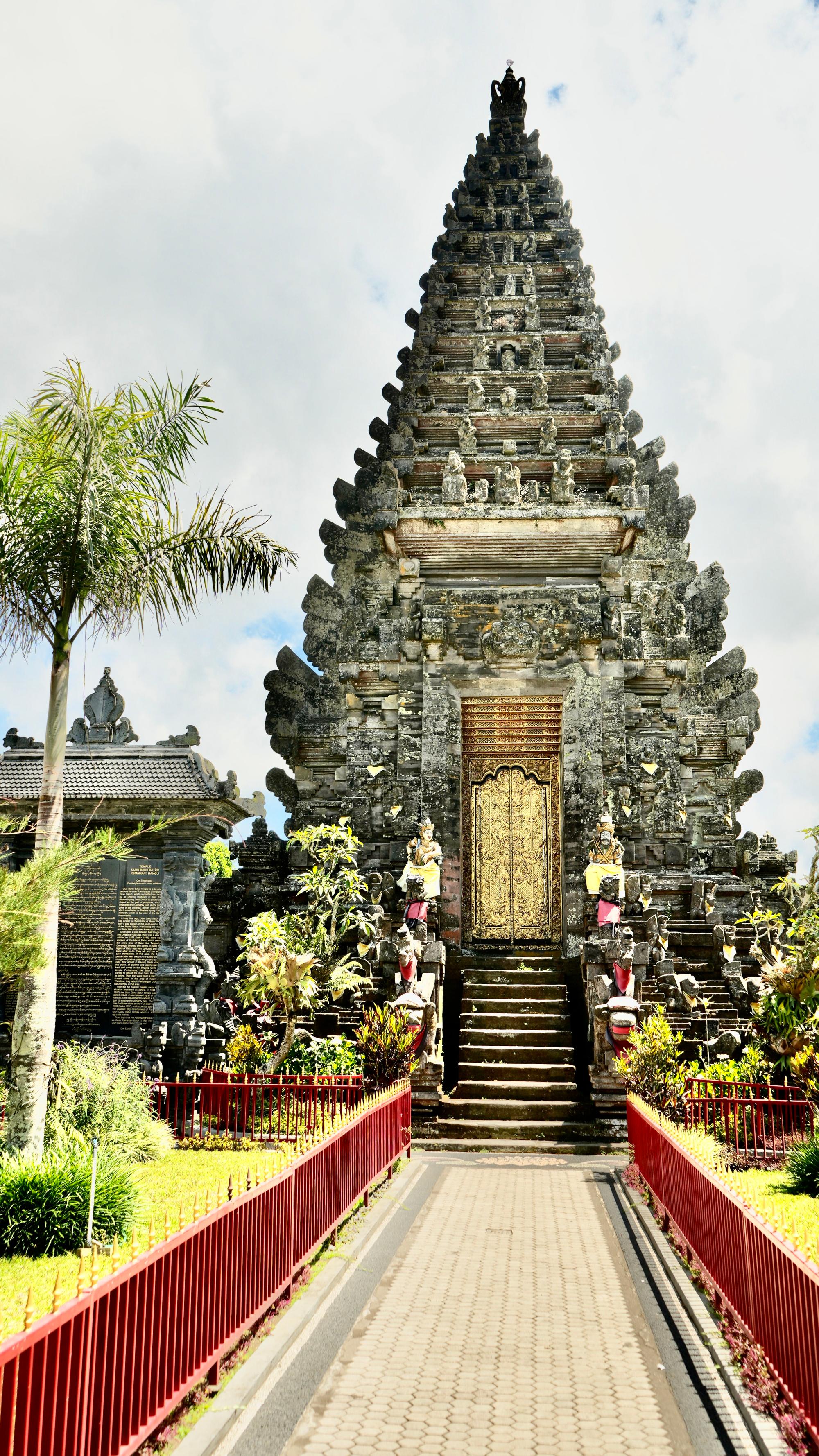
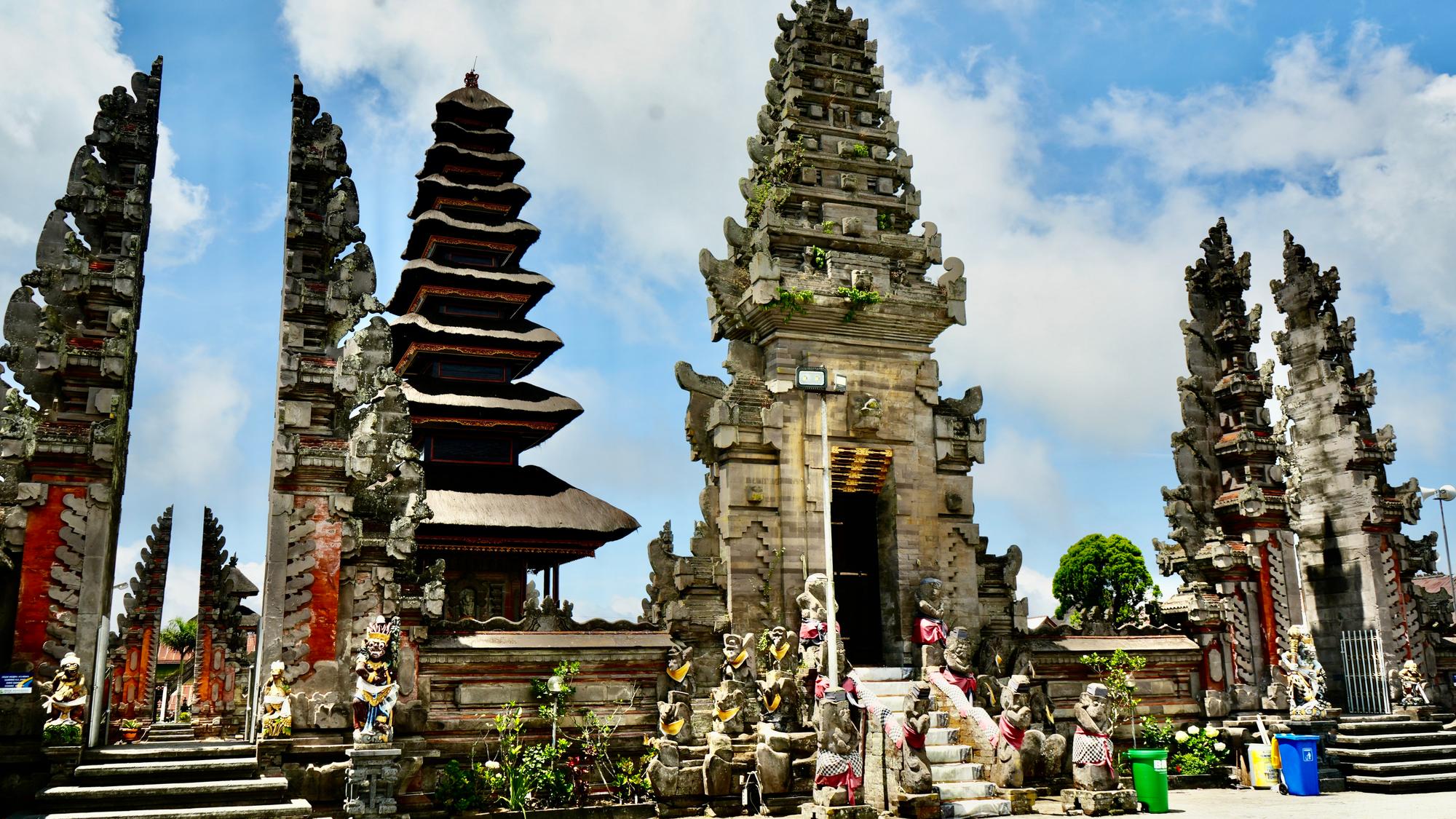
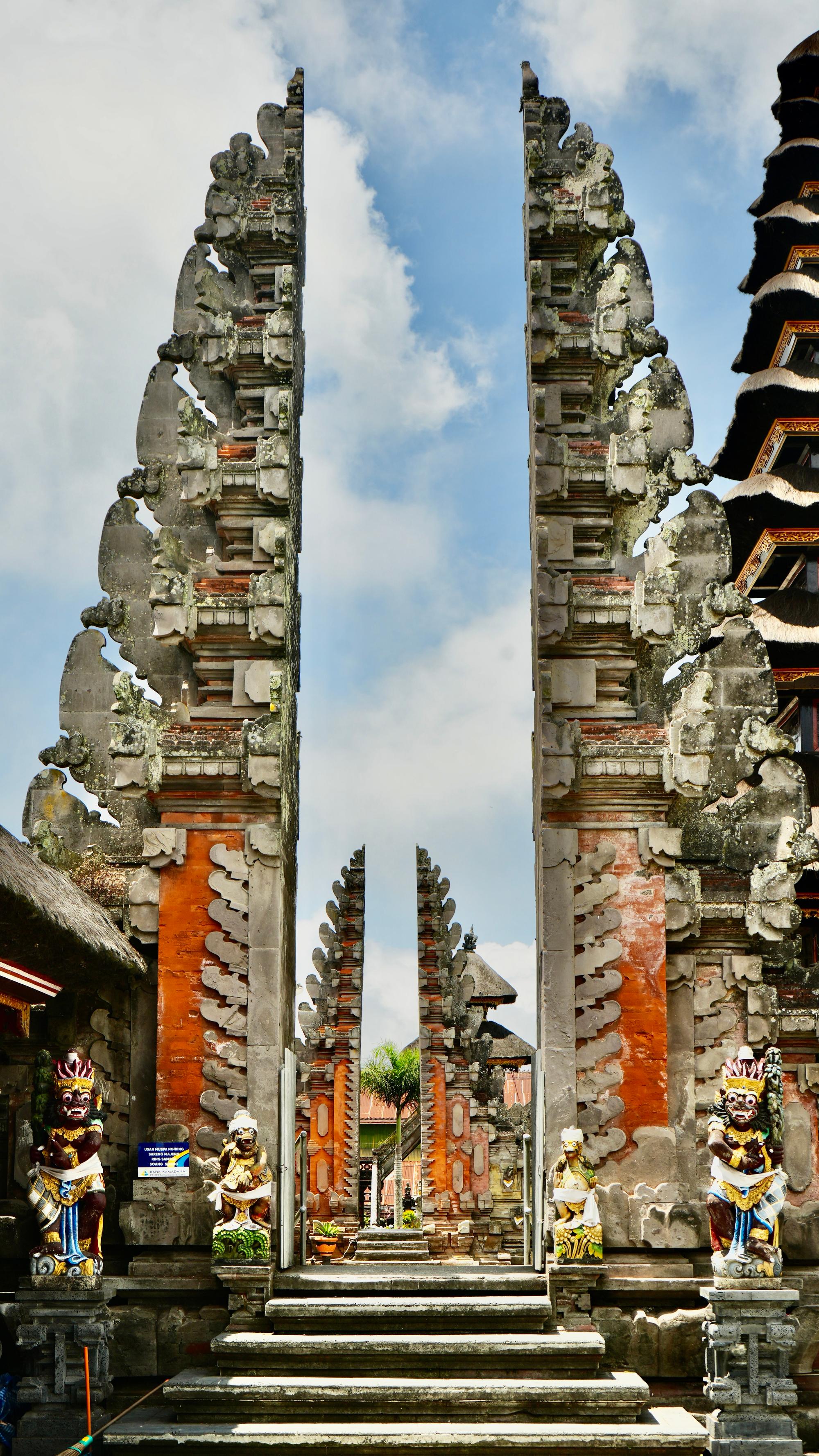
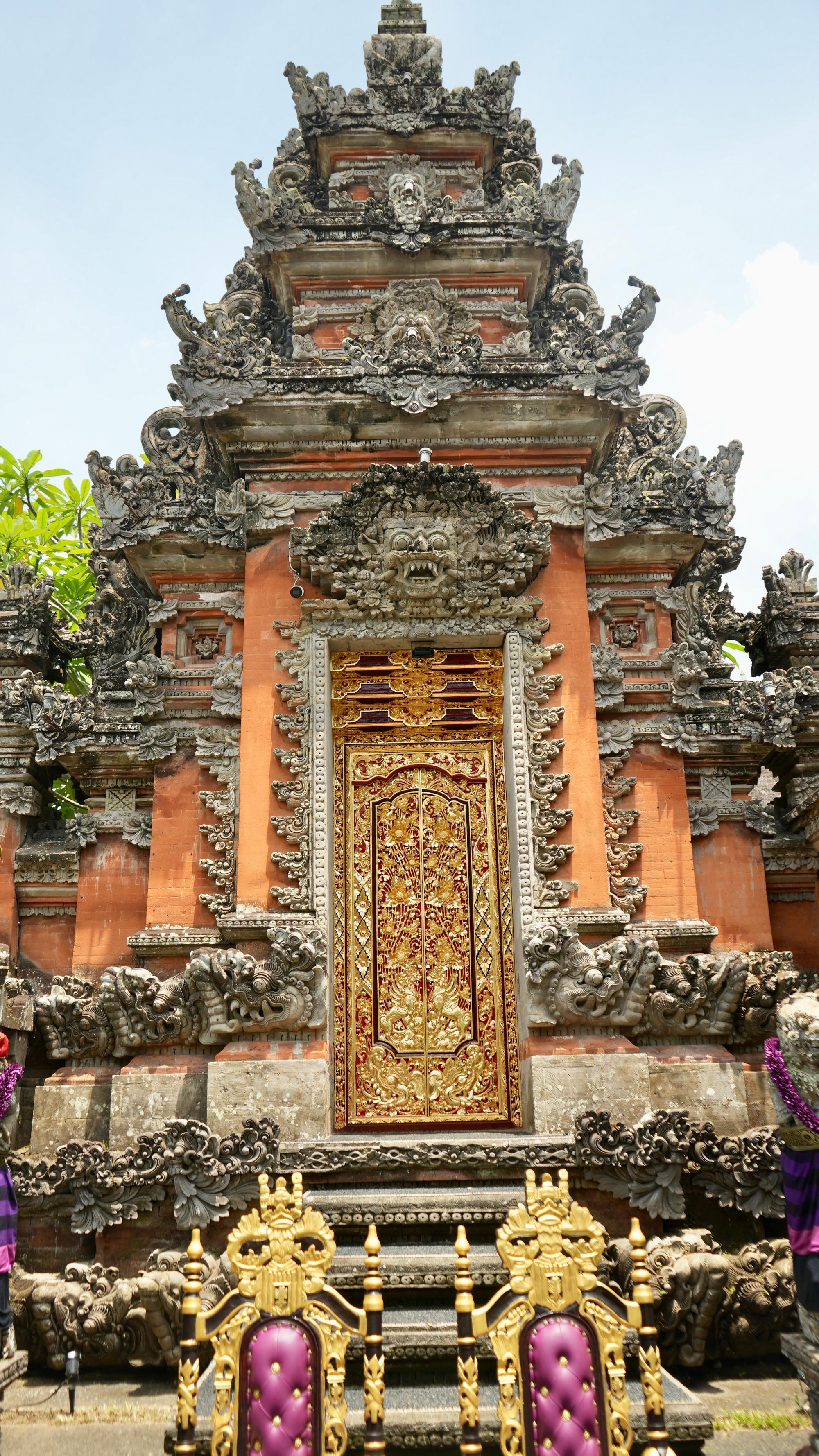
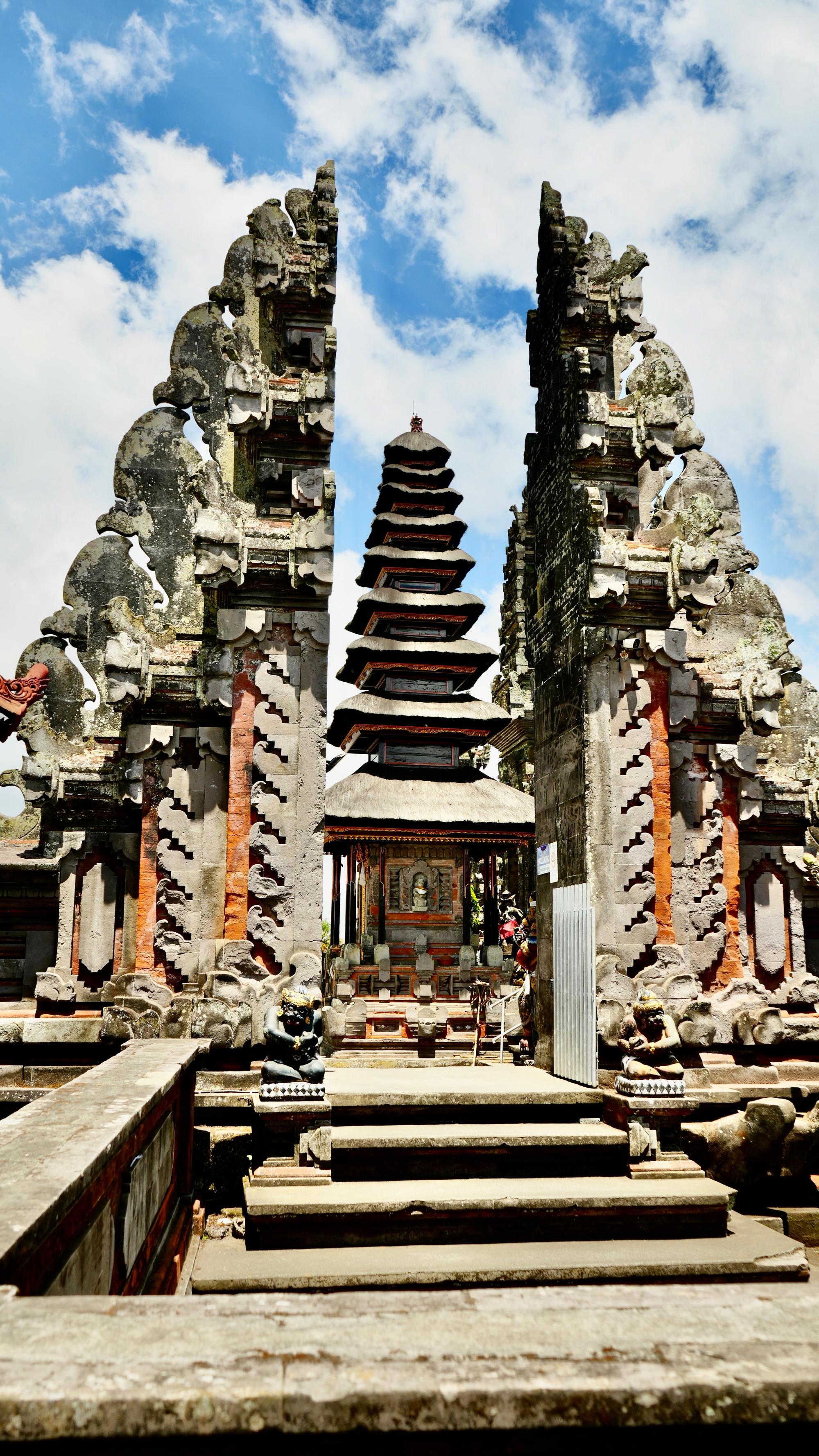
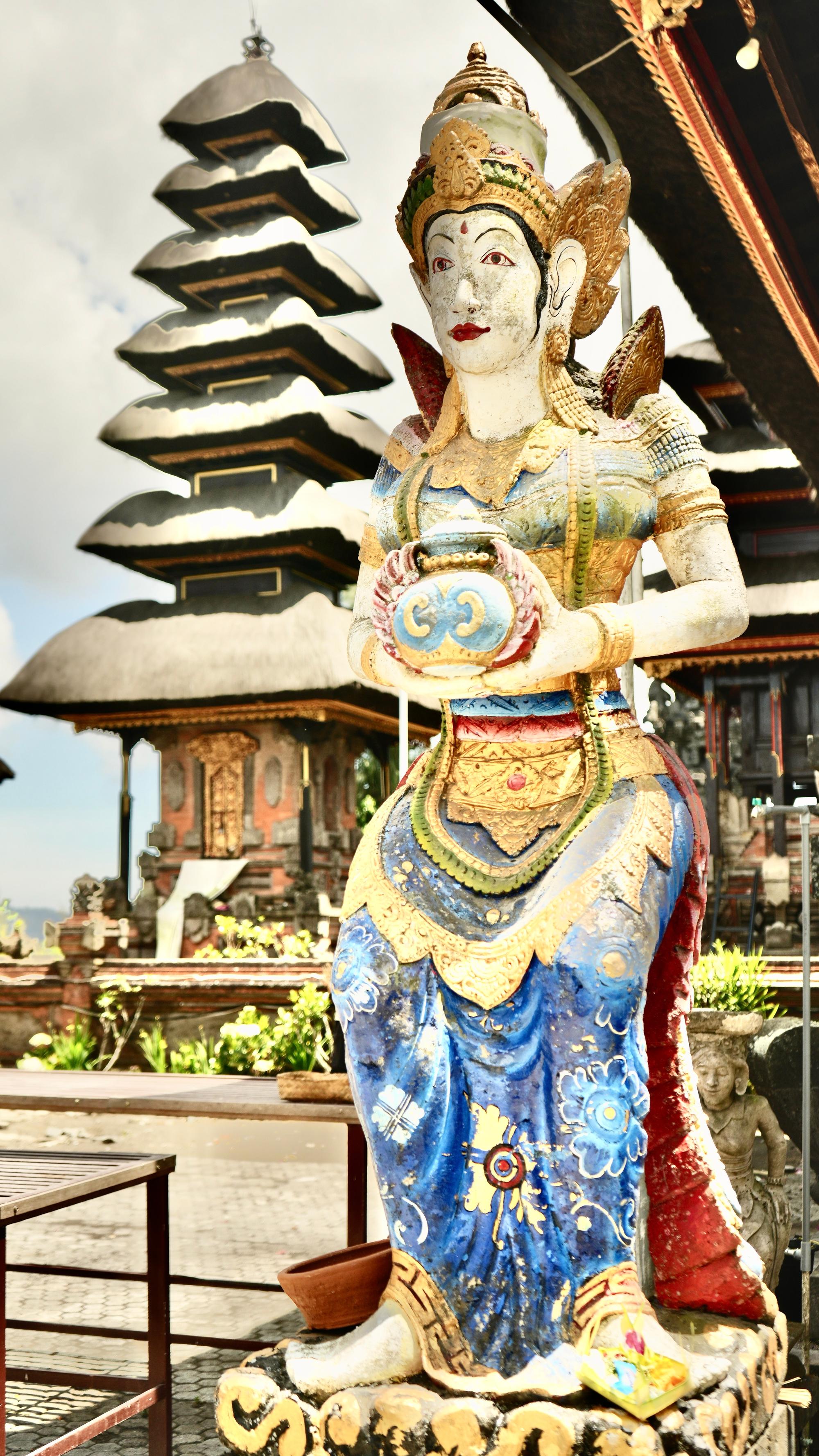
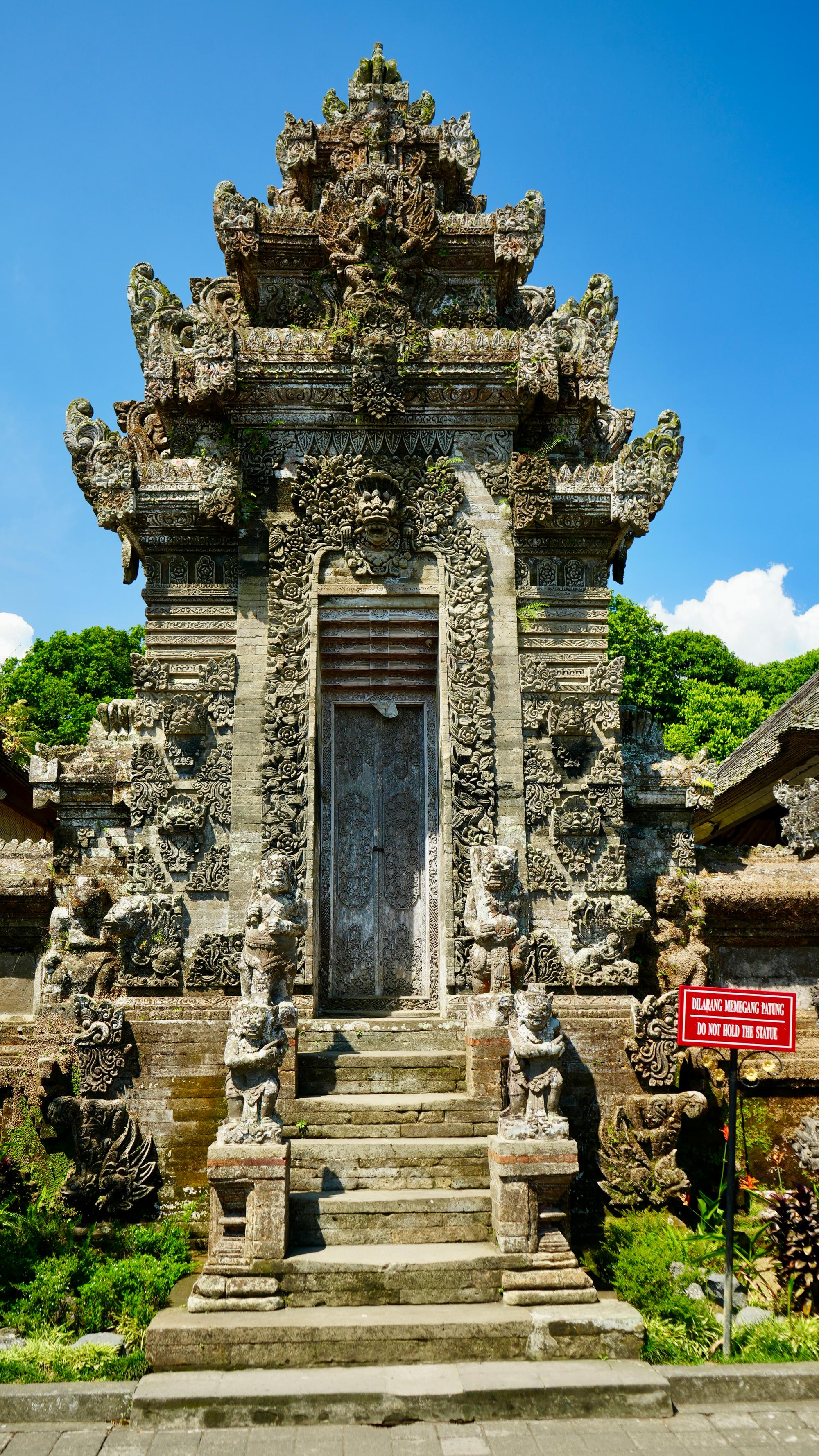
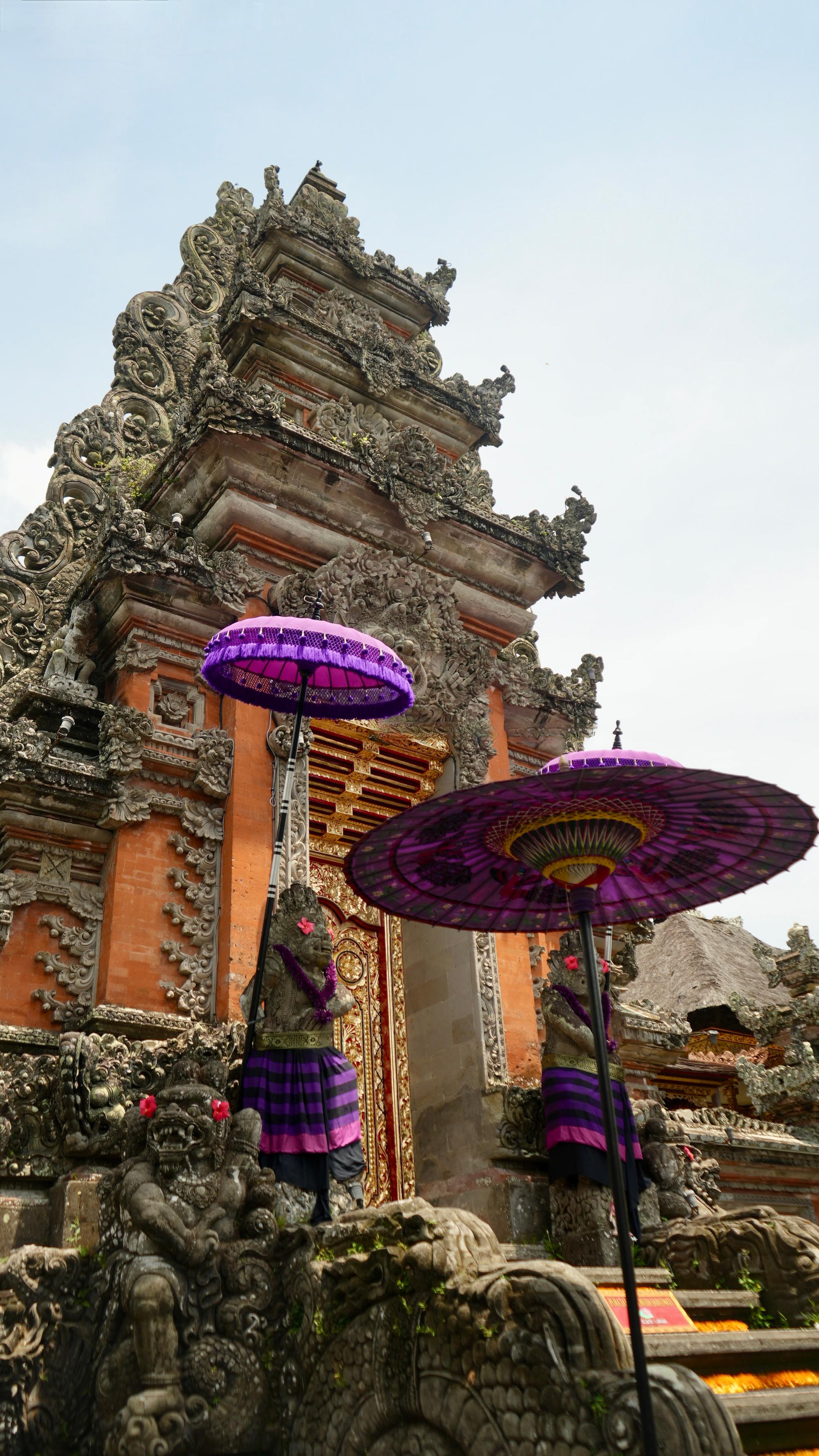
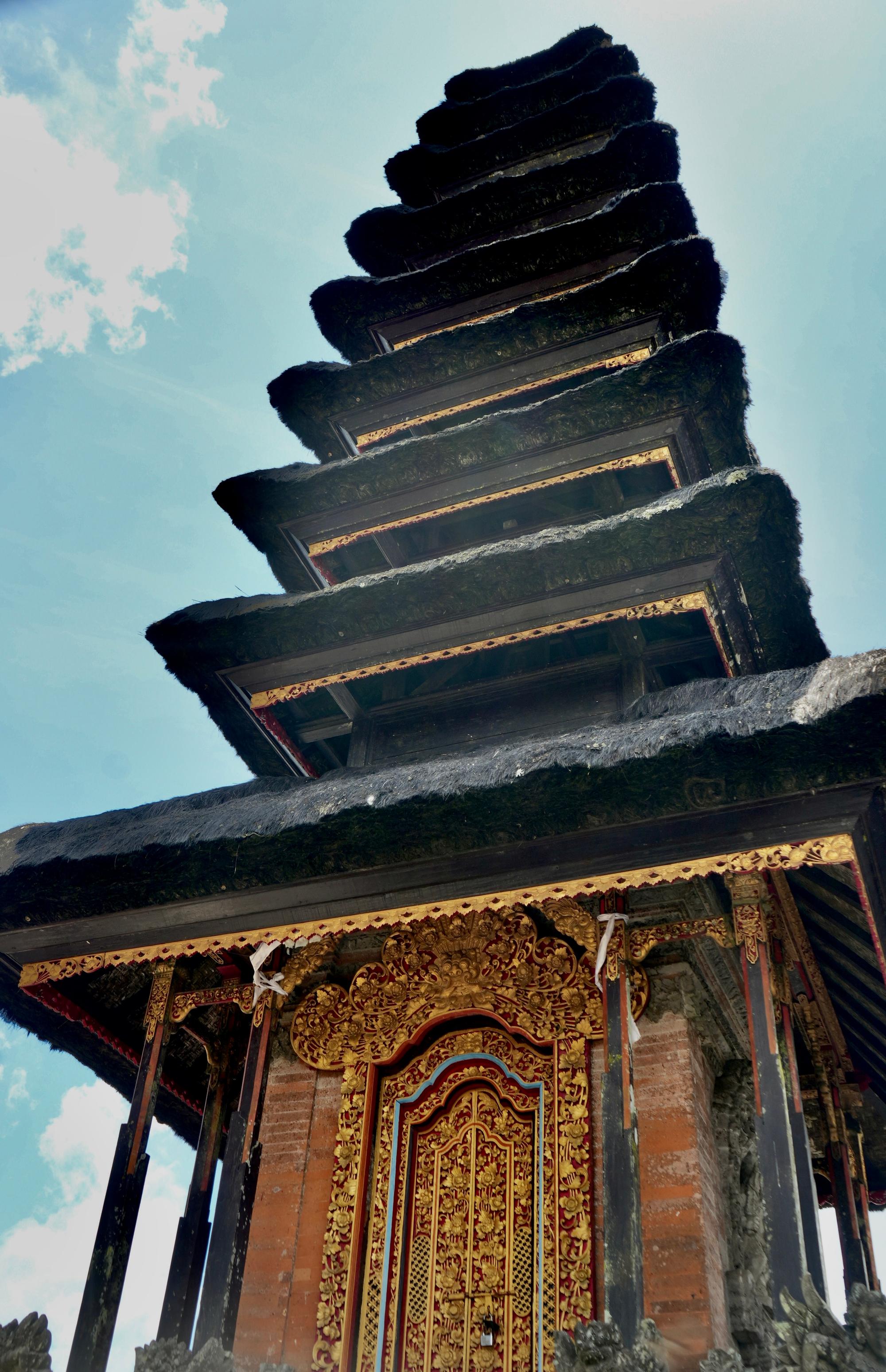
Bali is 95% Hindu, an exception in Muslim-majority Indonesia. Indian traders spread Hinduism and Buddhism to East Asia, including what is now Indonesia, as early as the first century CE. Hinduism in Indonesia reached its height by the 7 th century. It was during this period that the Buddhist temple of Borobudur was constructed. By the 13 th century, Islam spread through the islands of Sumatra and Java, supplanting Hinduism. However, Bali remained almost exclusively Hindu despite the rise of Islam throughout the rest of what is current-day Indonesia. Bali has maintained the ancient Hindu religious practices which are also still practiced in India. There are almost as many temples, pagodas, shrines, and statues as there are people in Bali. Initially, I started to photograph almost every temple I saw, until I realized that there were one or more temples, especially private temples in every few houses. Bali reminds me of Nepal, which also has many large and small temples. However, Nepal also has Islamic mosques as well as Christian churches. Bali is more purely and traditionally Hindu than India, though India is the birthplace of Hinduism and is known as Hindustan. My personal opinion is that the gentle mentality of the Balinese people is even more remarkable than its religious traditions. I never saw any beggars or unhoused people. I never witnessed a Balinese person express anger toward others. For example, there are many intersections with no traffic lights or policemen to regulate the traffic. Even during rush hour, cars slowly approach the intersections and take turns proceeding. No driver blows his horn or drives aggressively. I’ve never seen that in any other country. Every interaction I’ve had with Balinese people has been open and cordial. Of course, Bali is a tropical paradise island, so perhaps that setting along with their strong religious practices creates the remarkable peaceful mentality among the Balinese.