A cultural comparison of Kenya and Tanzania
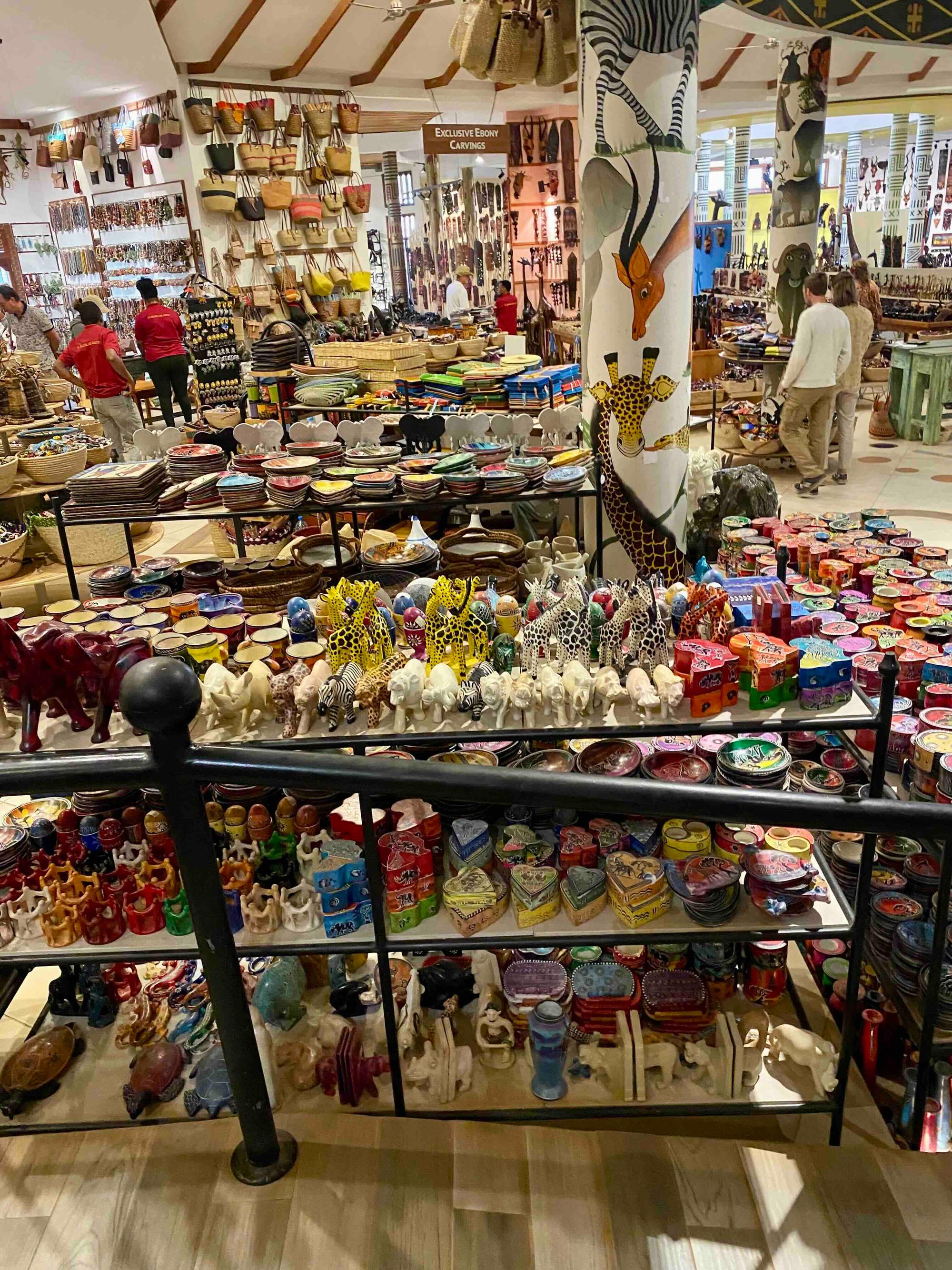
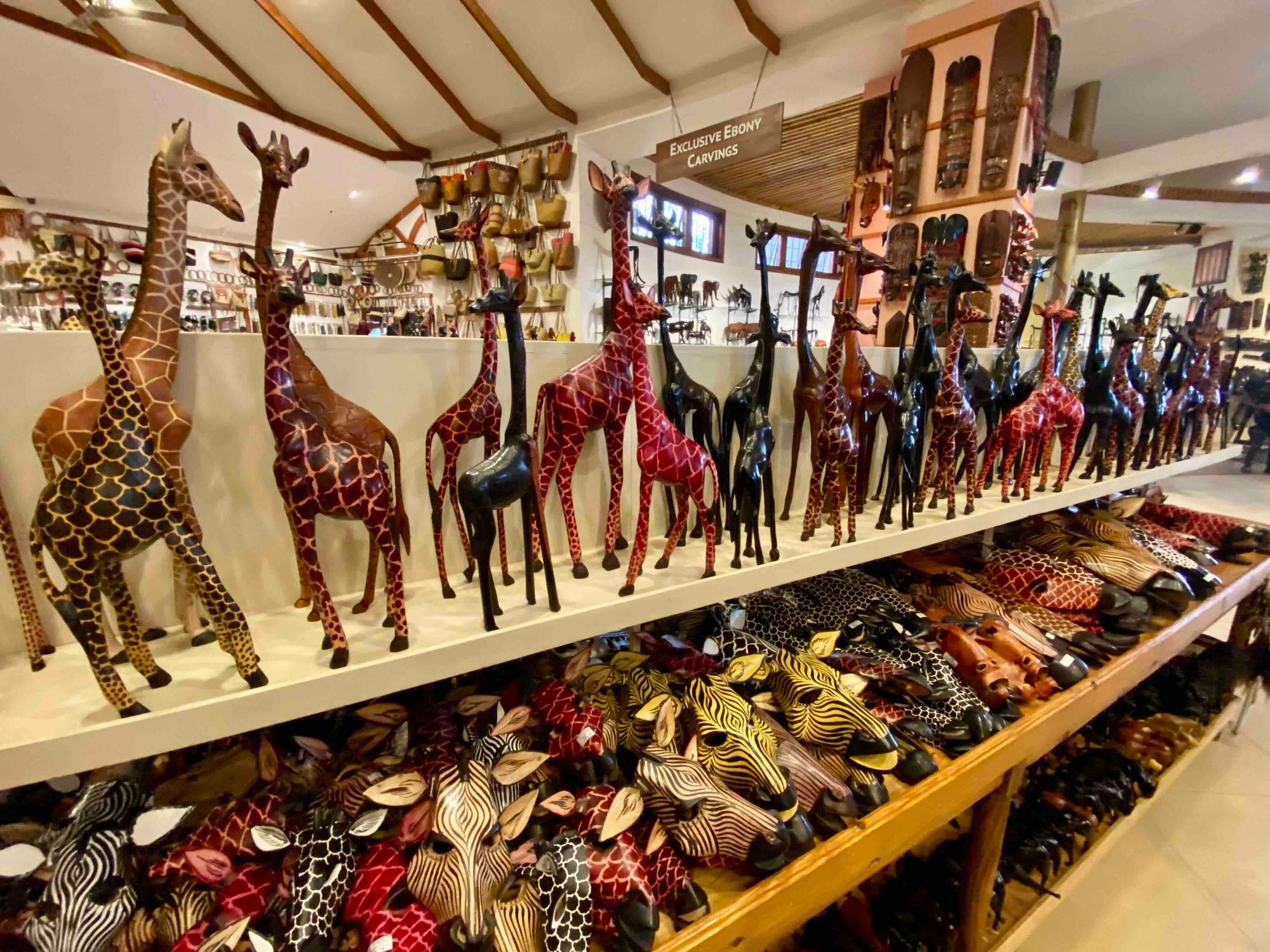
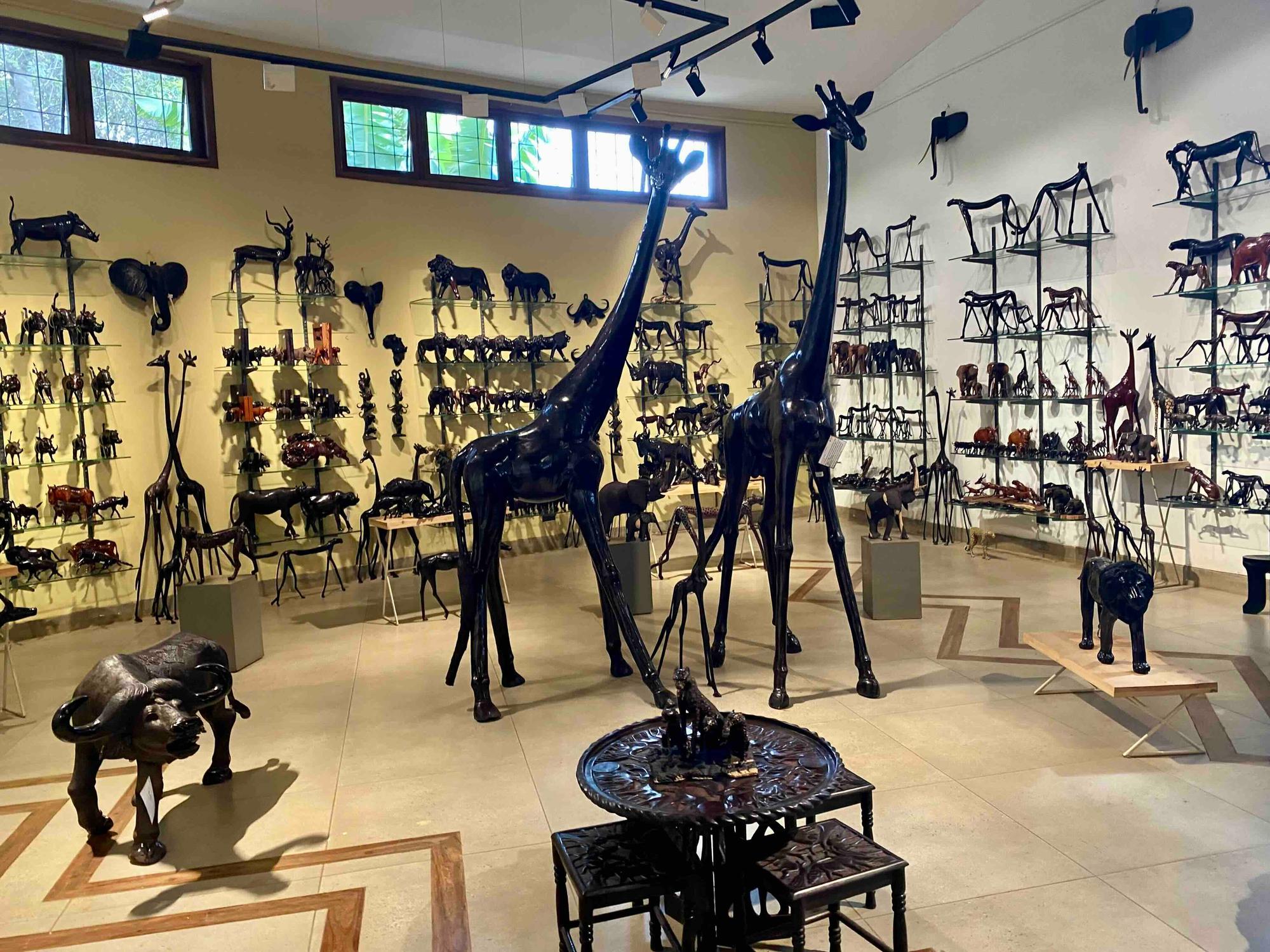
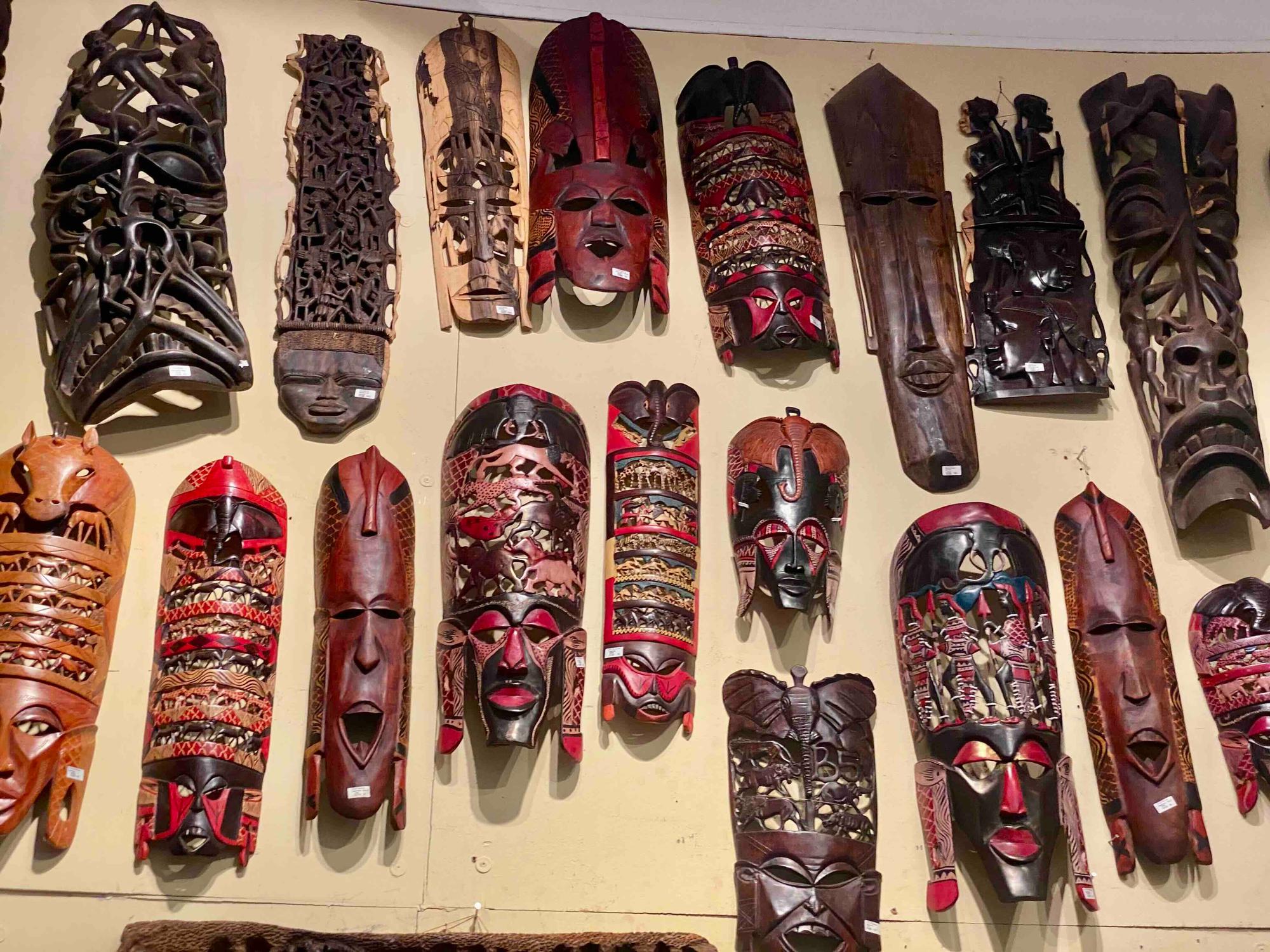
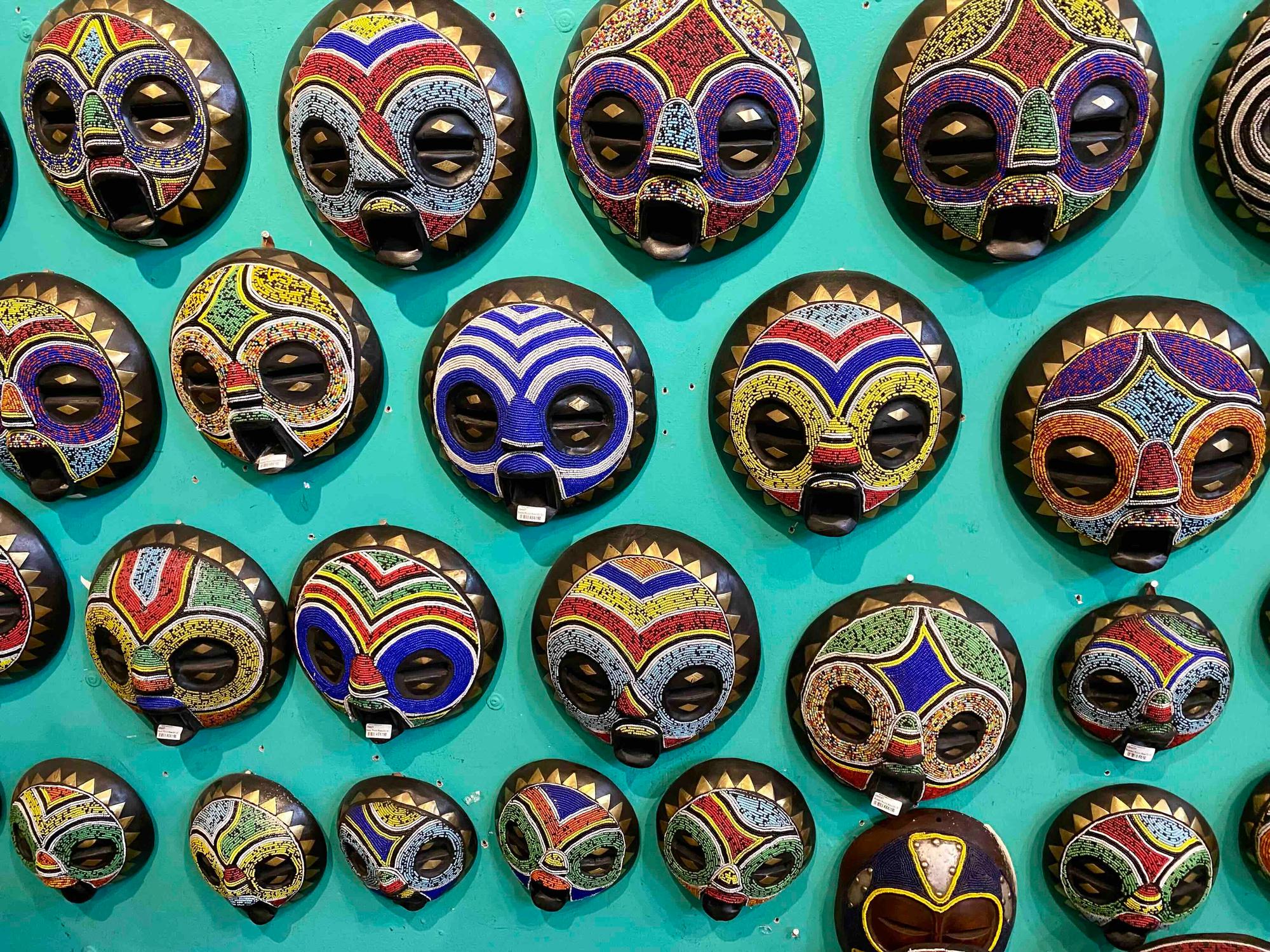
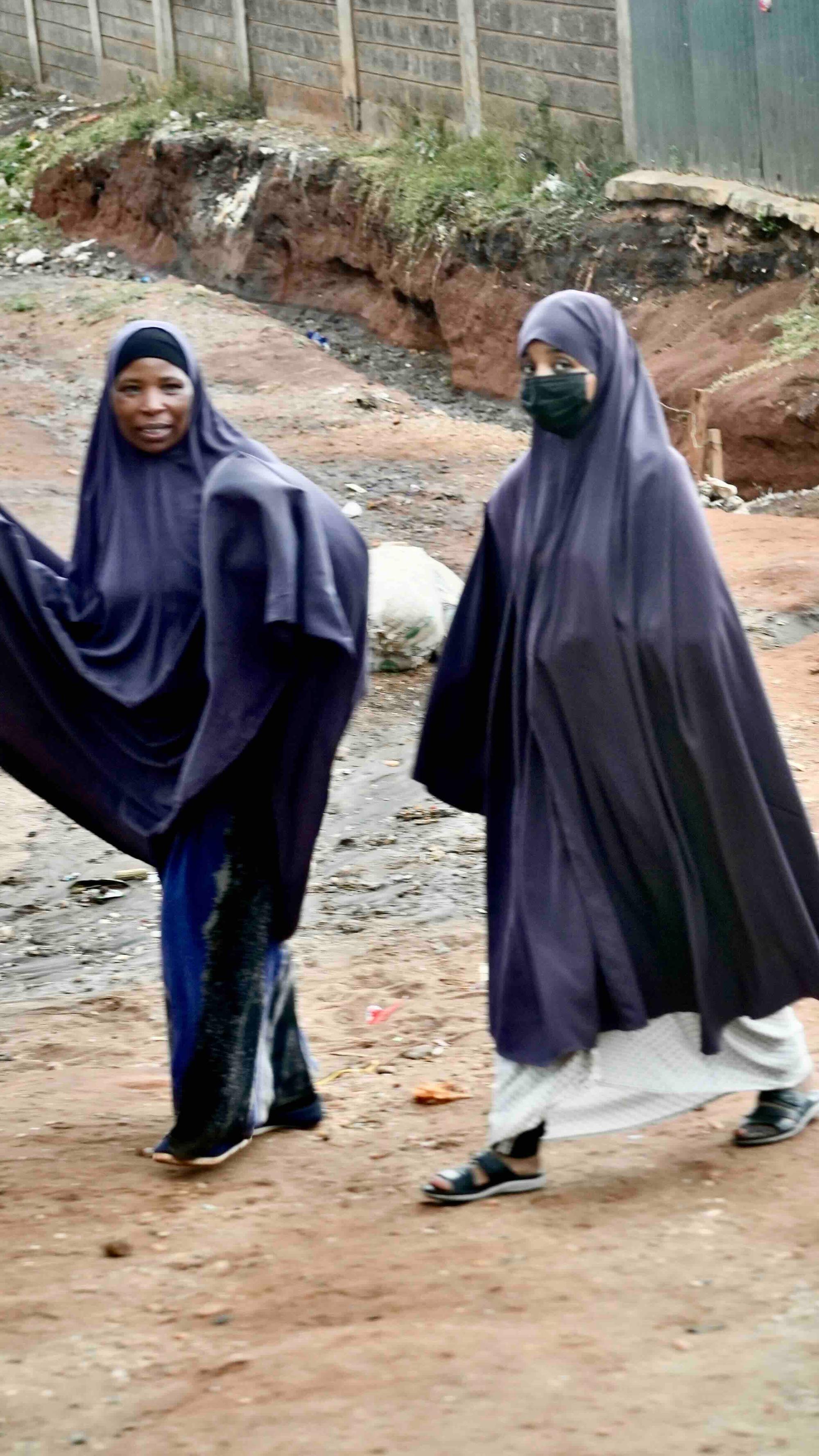
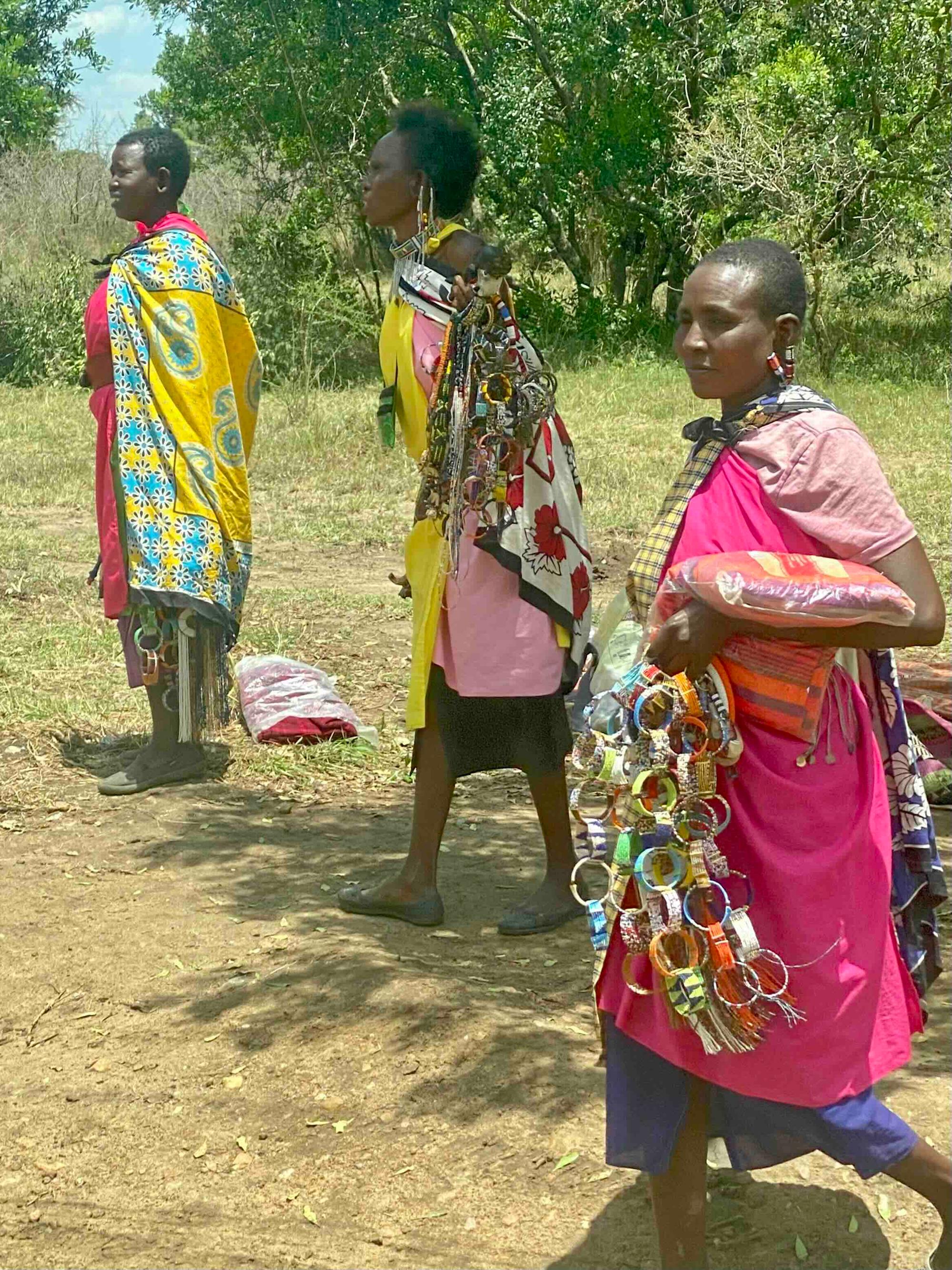
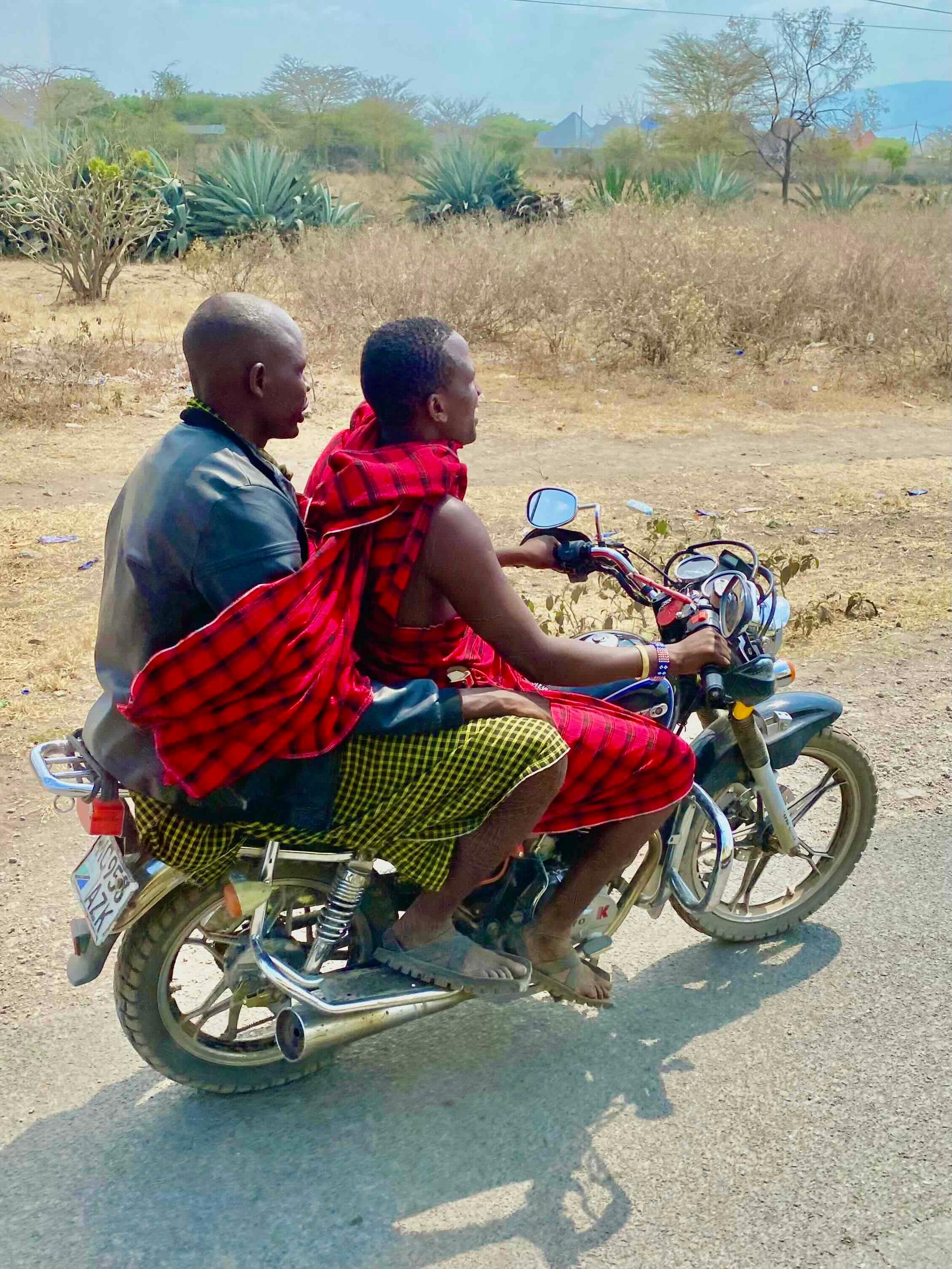
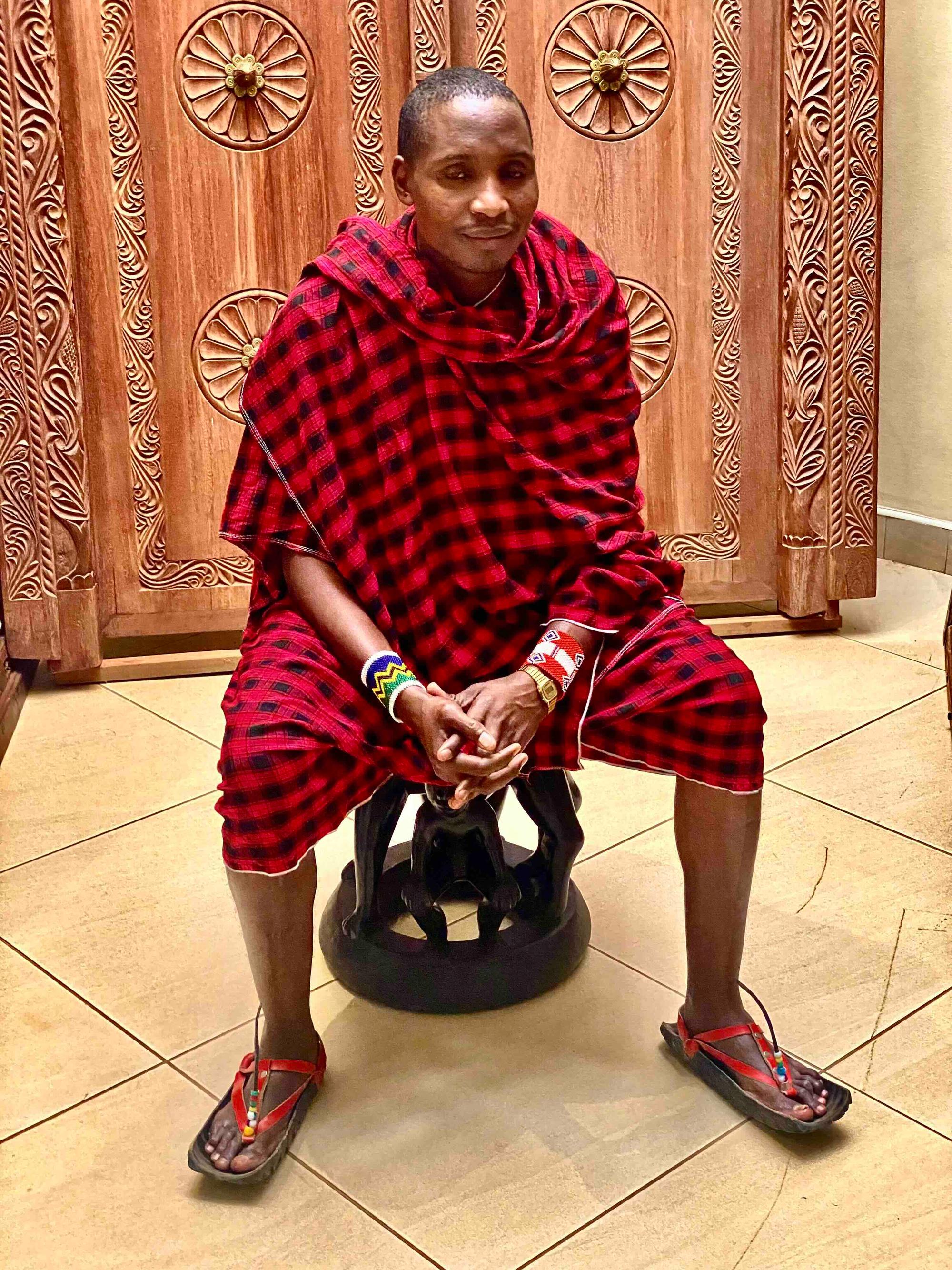
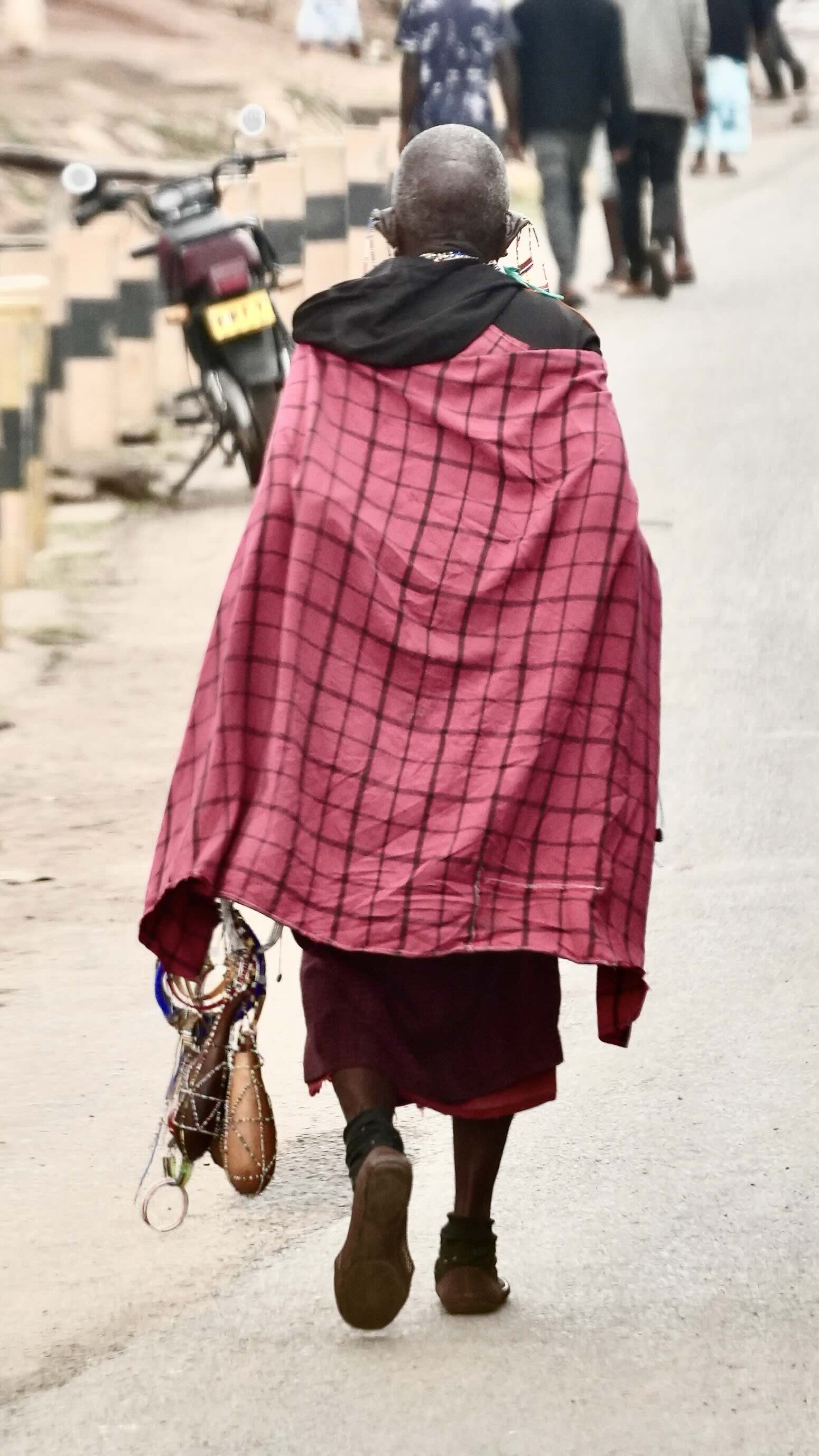
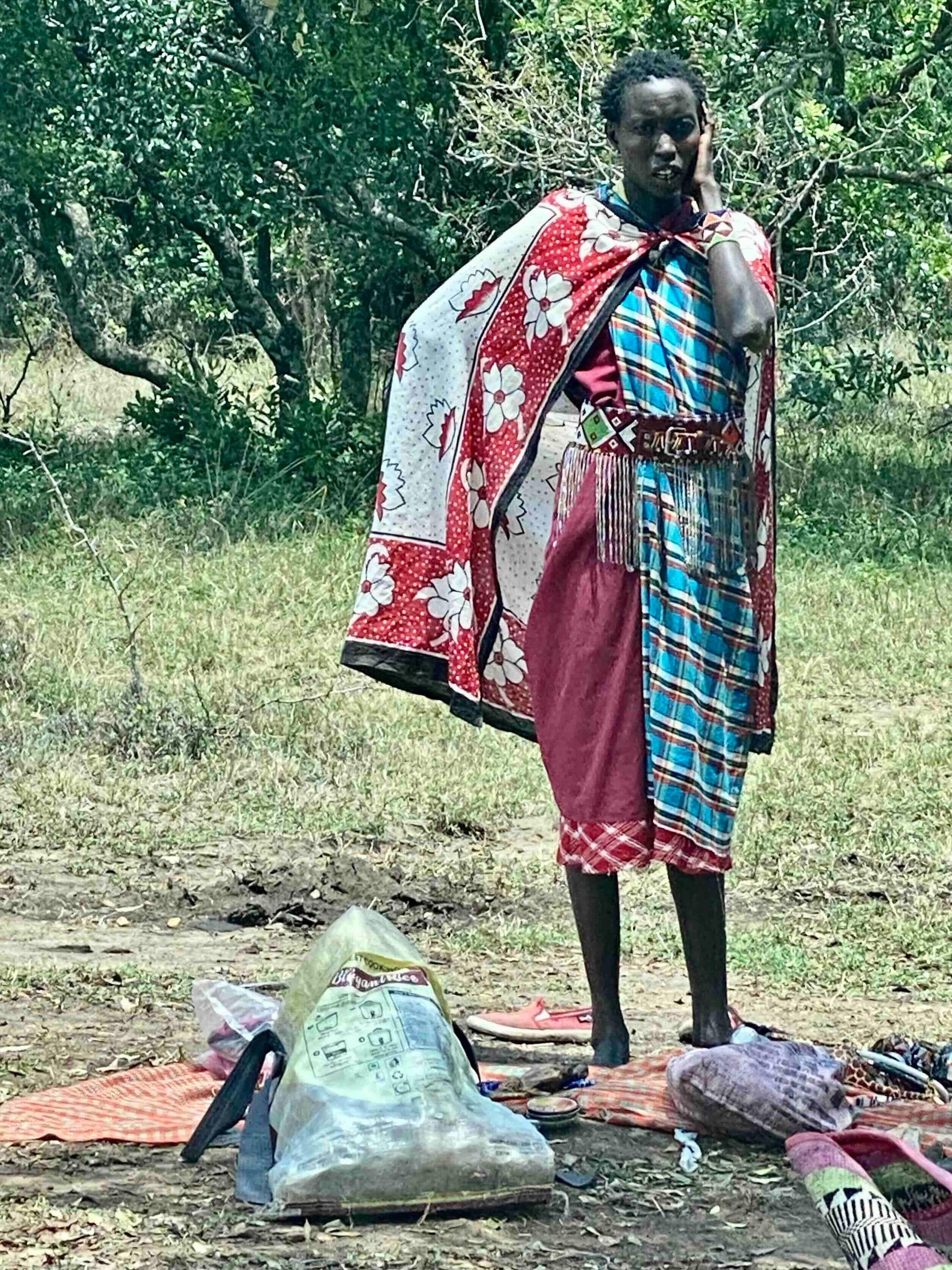
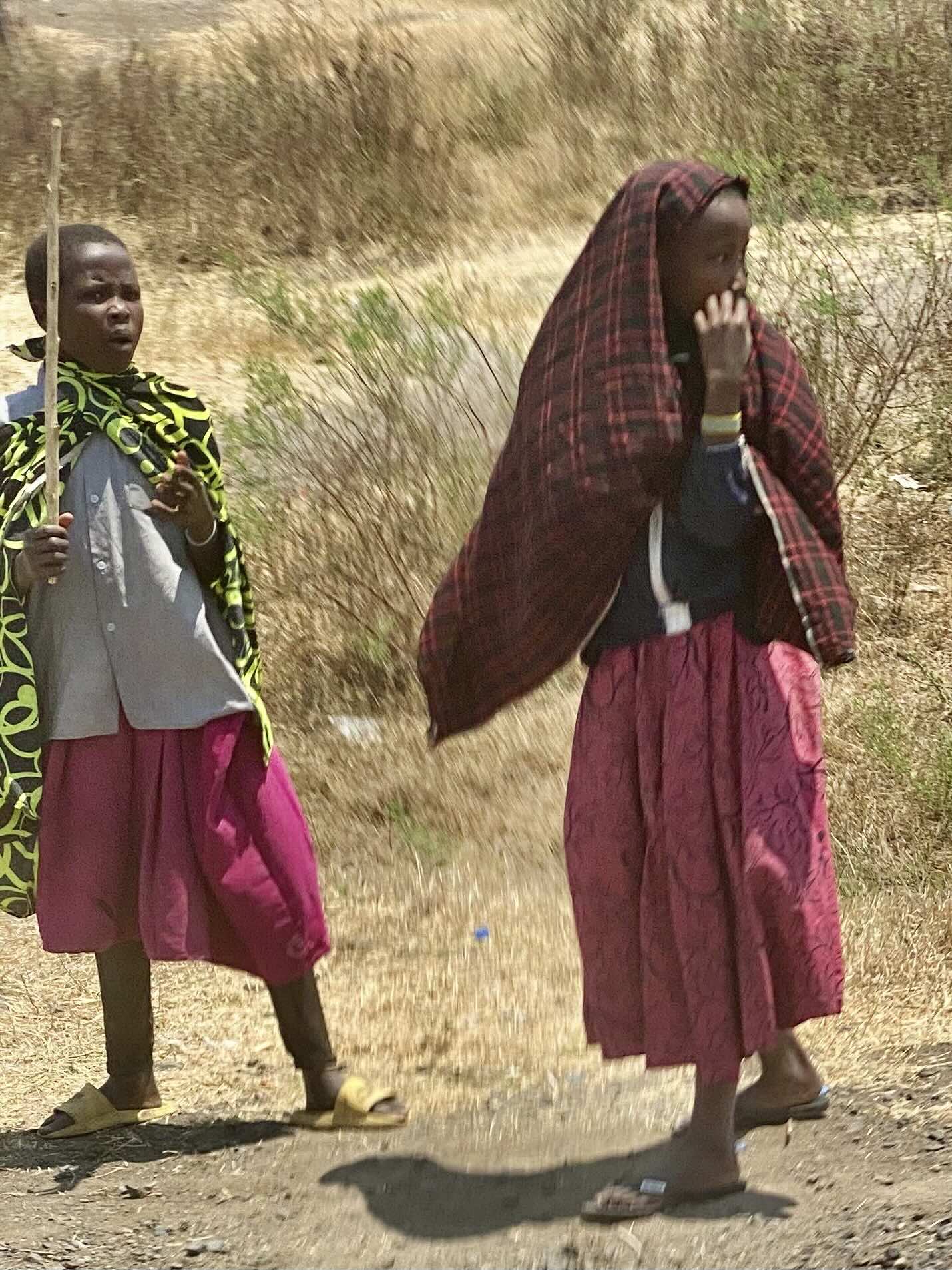
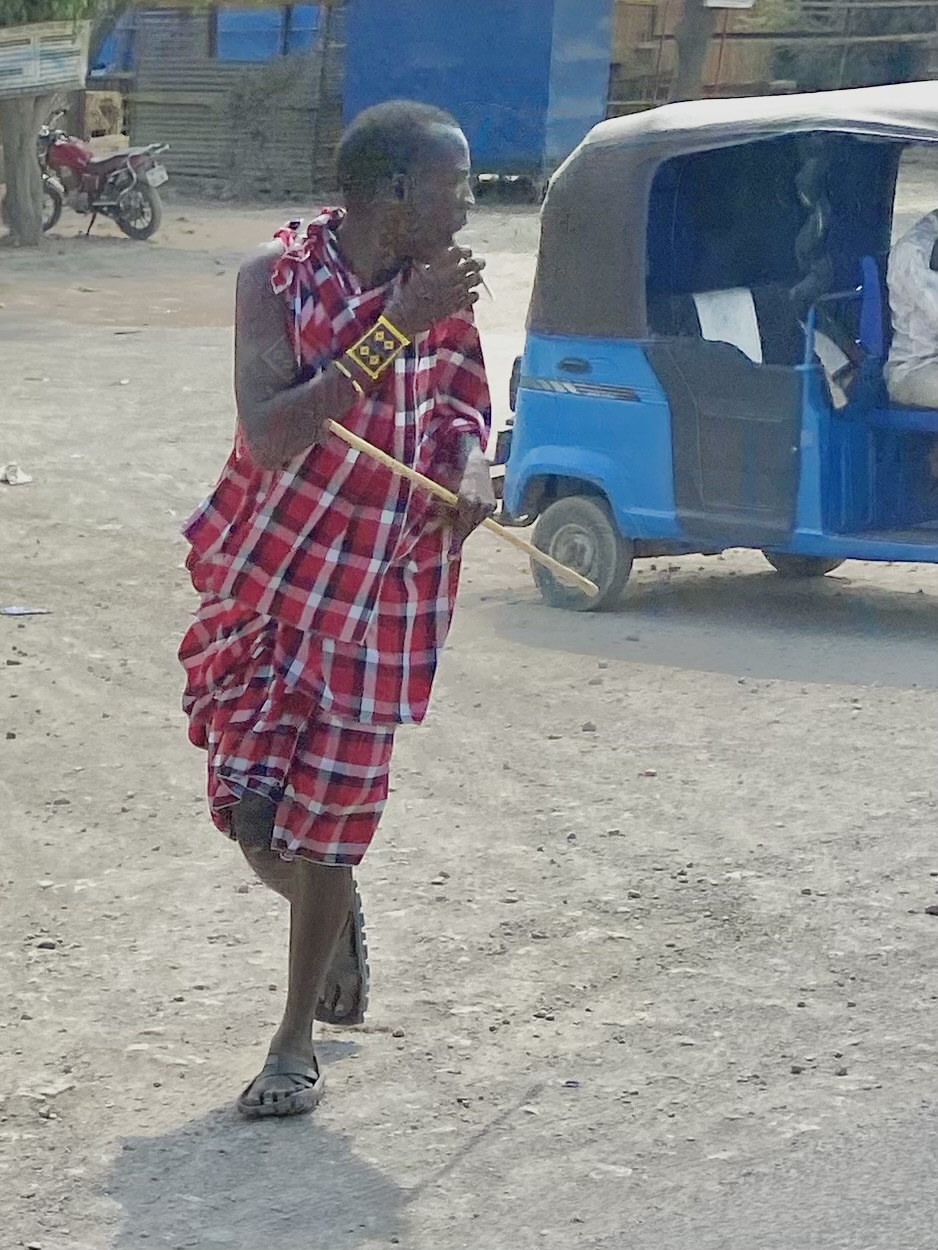
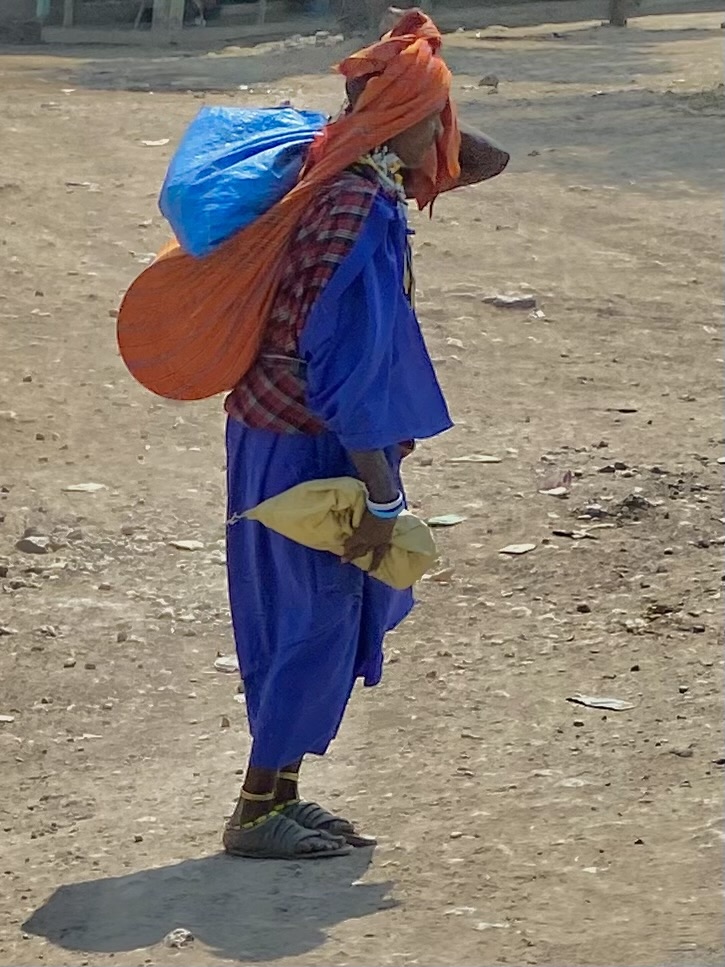
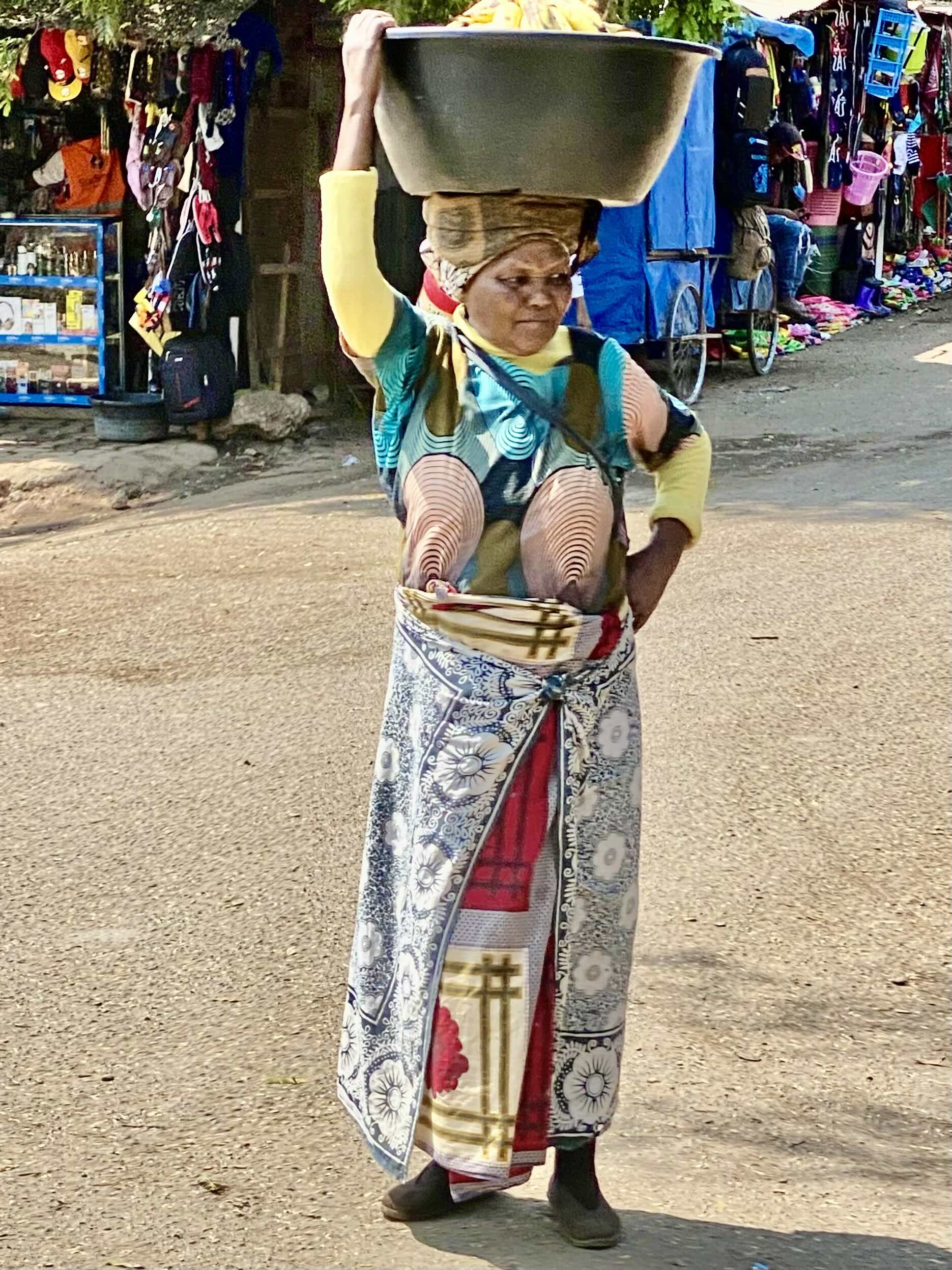
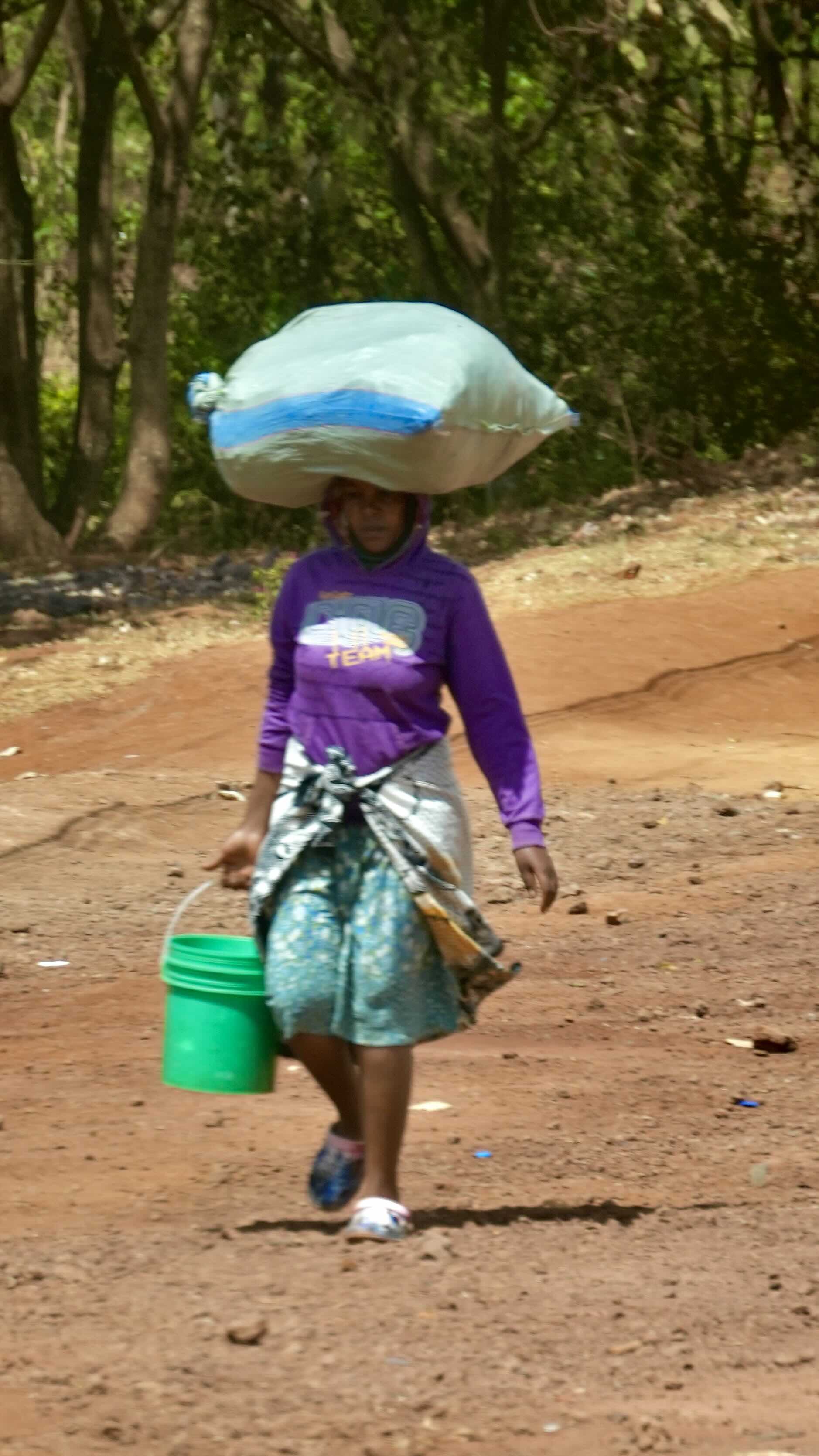
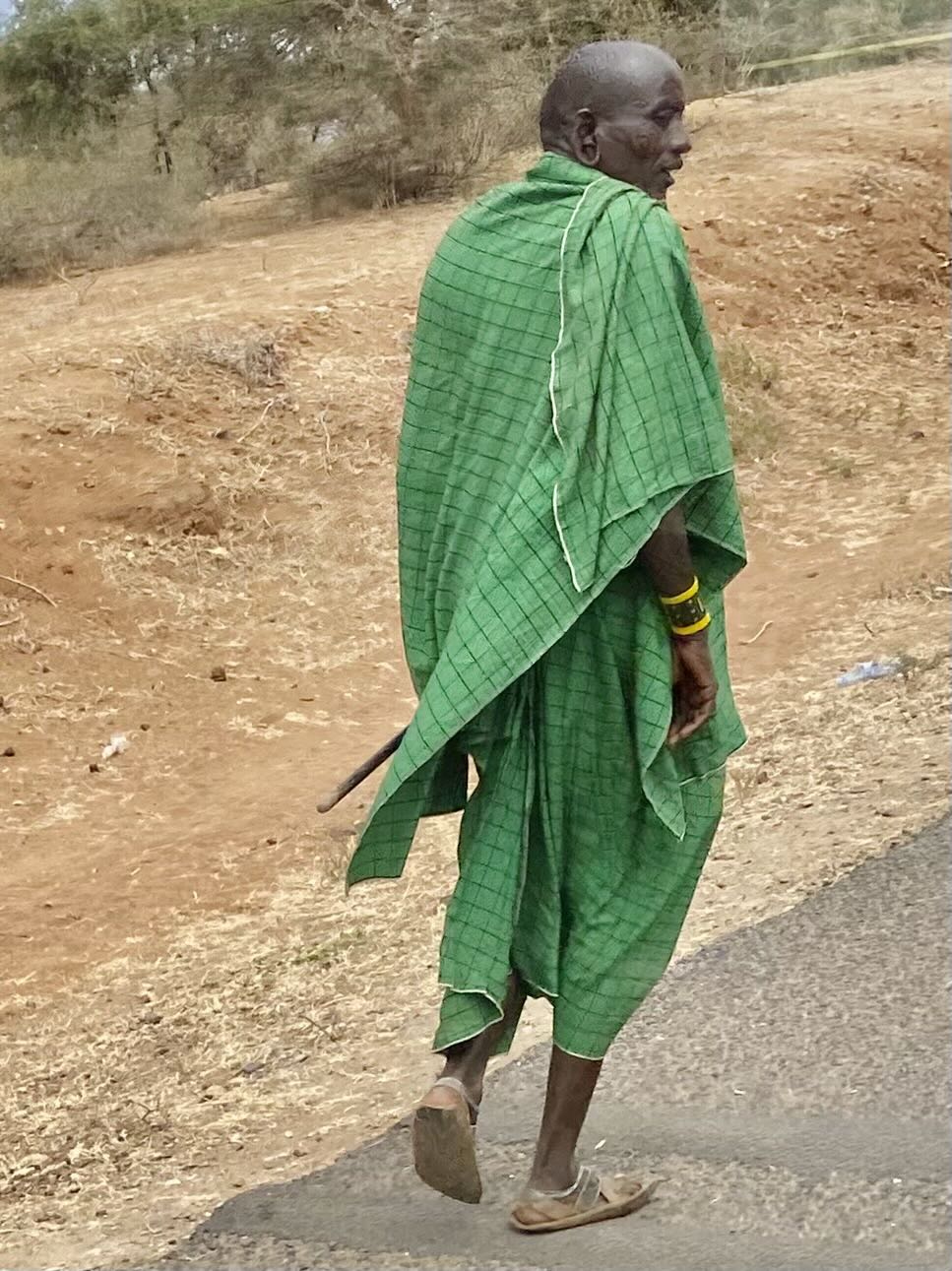
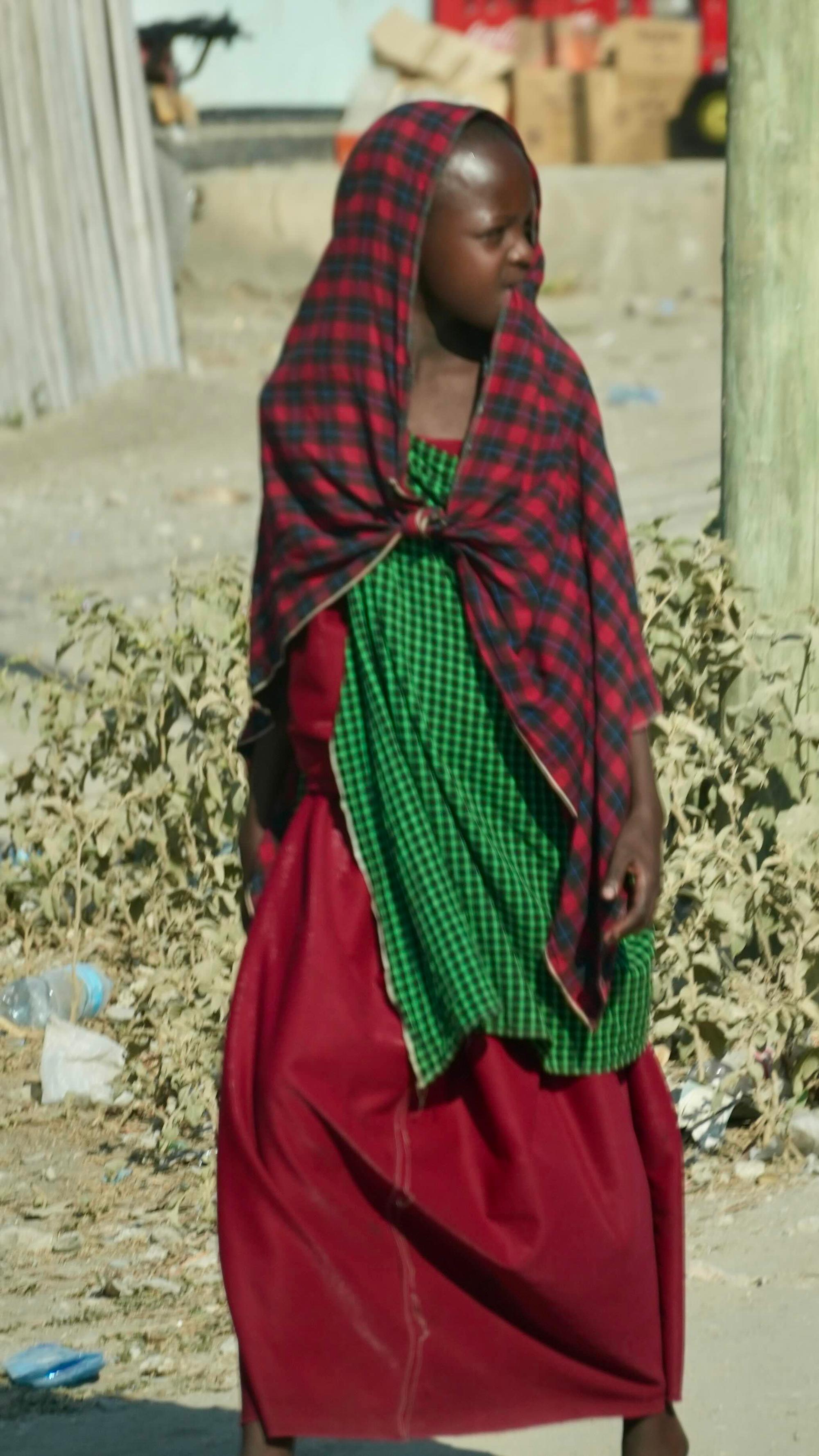
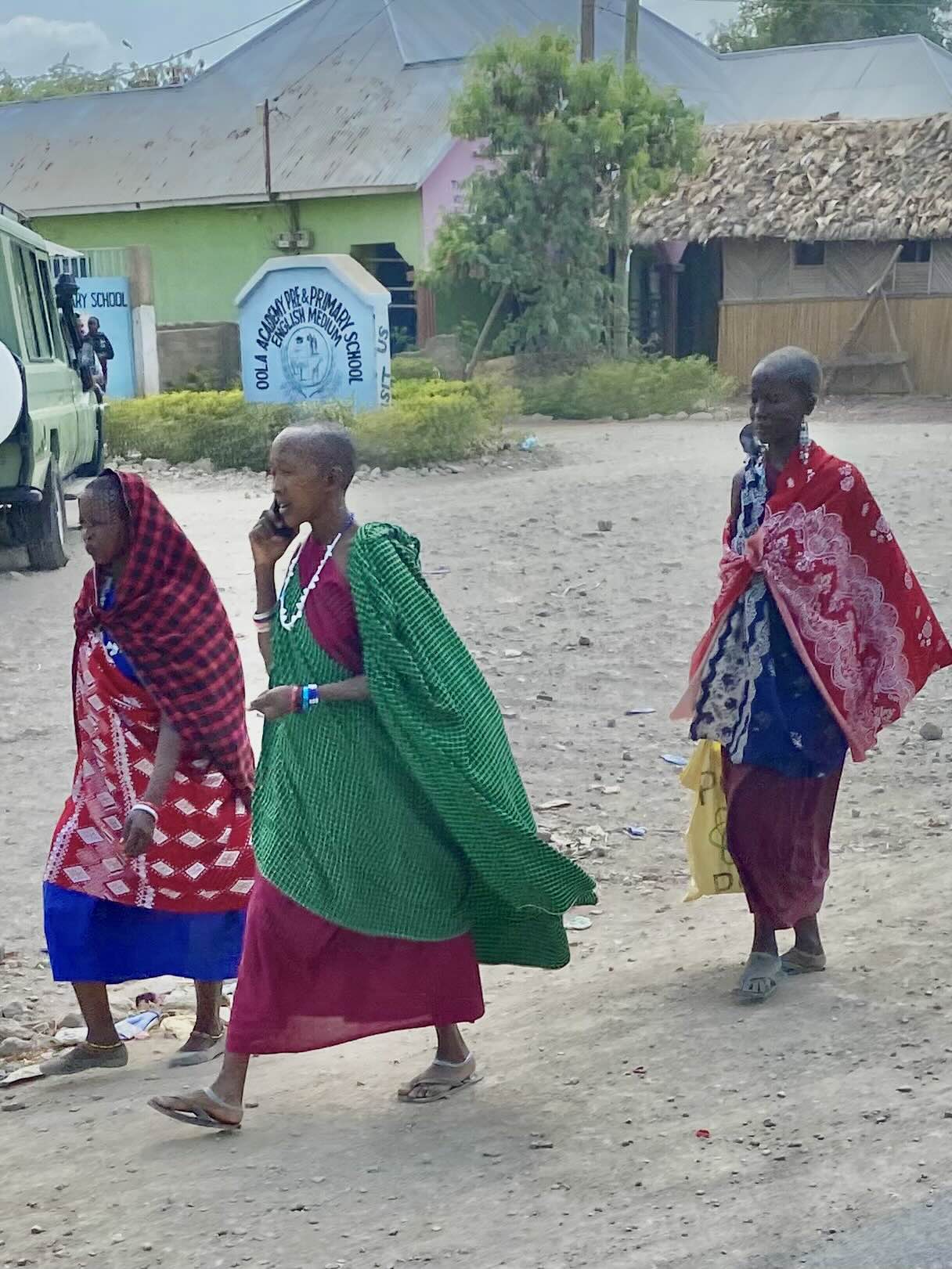
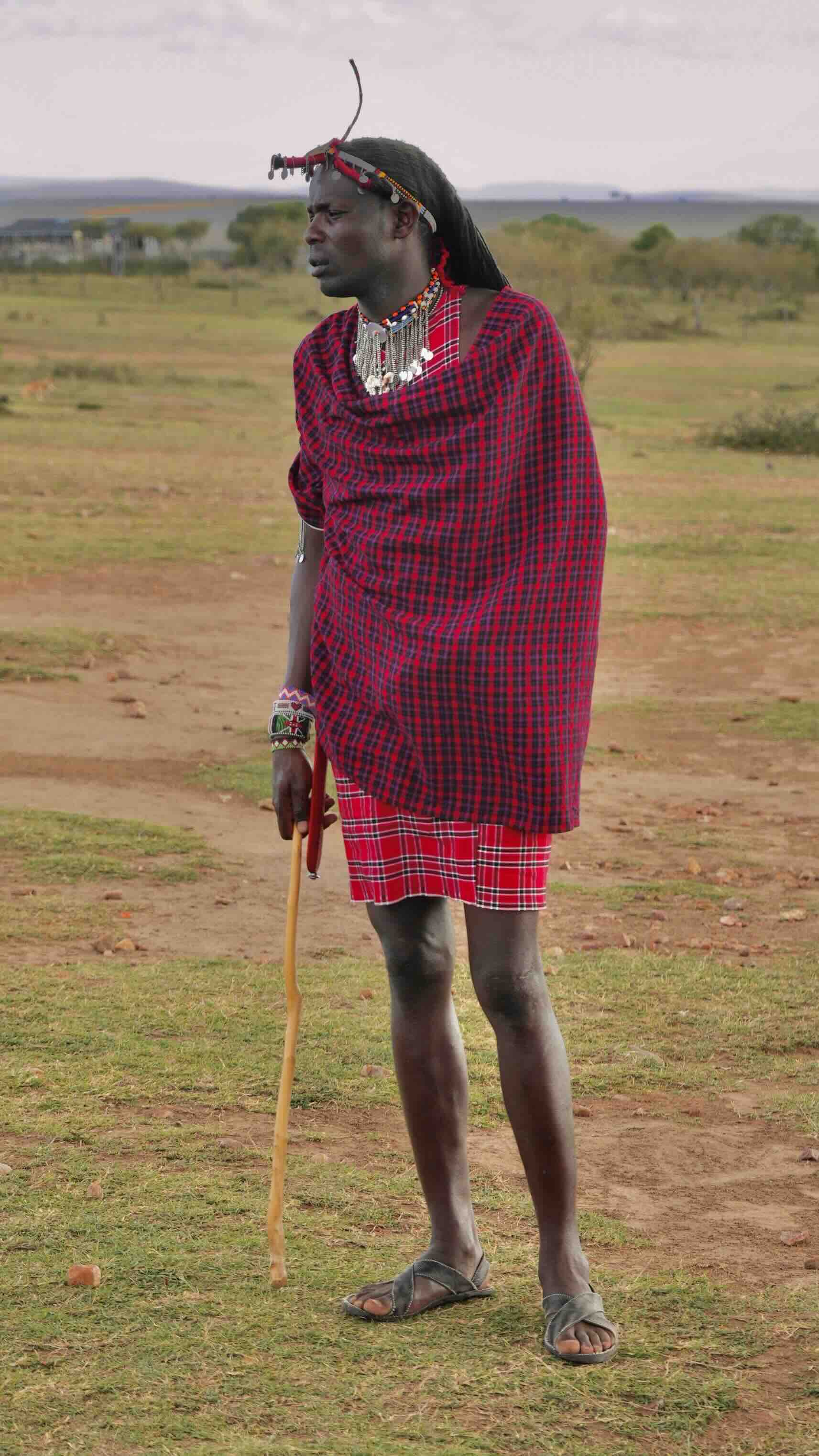
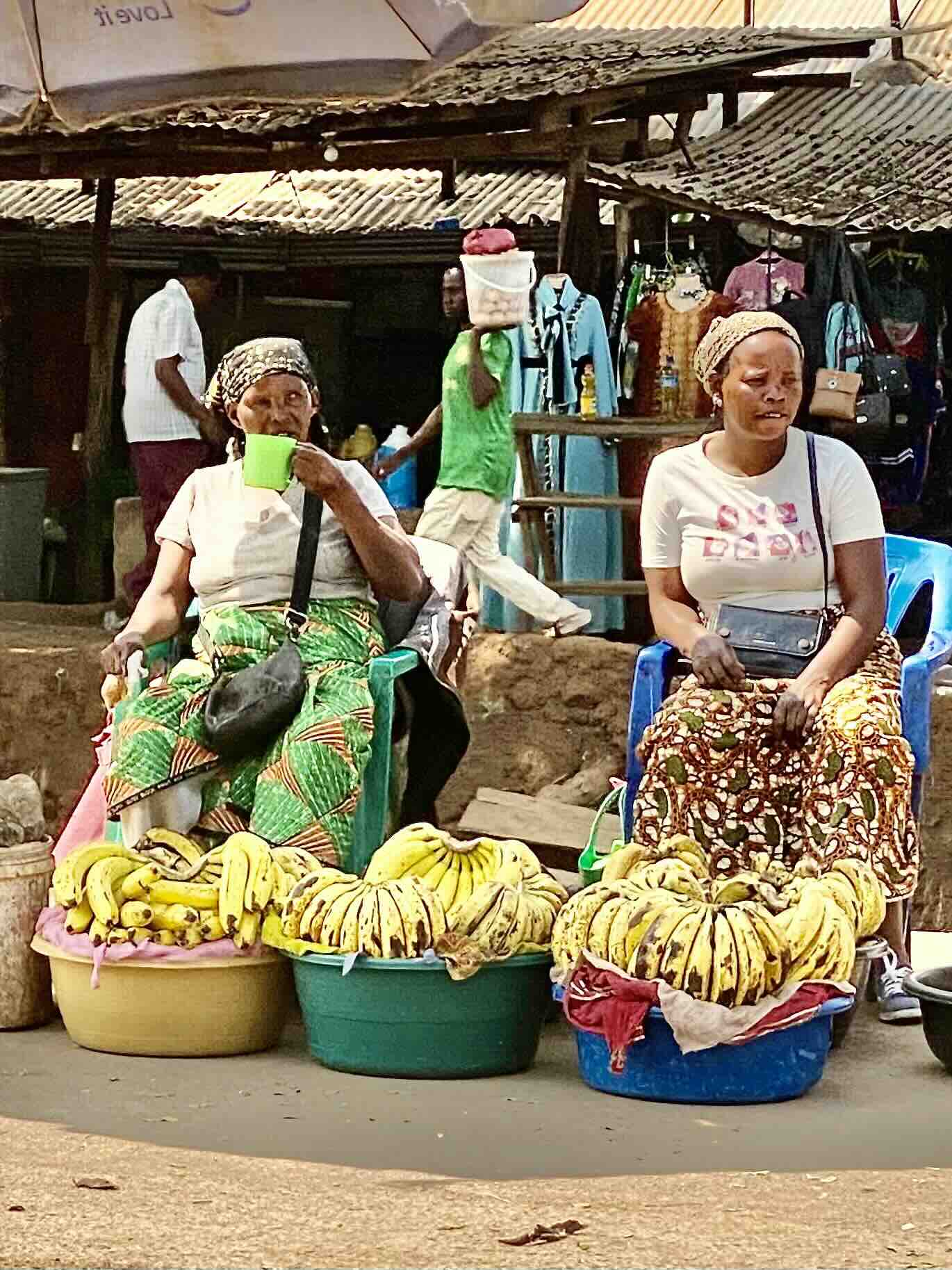
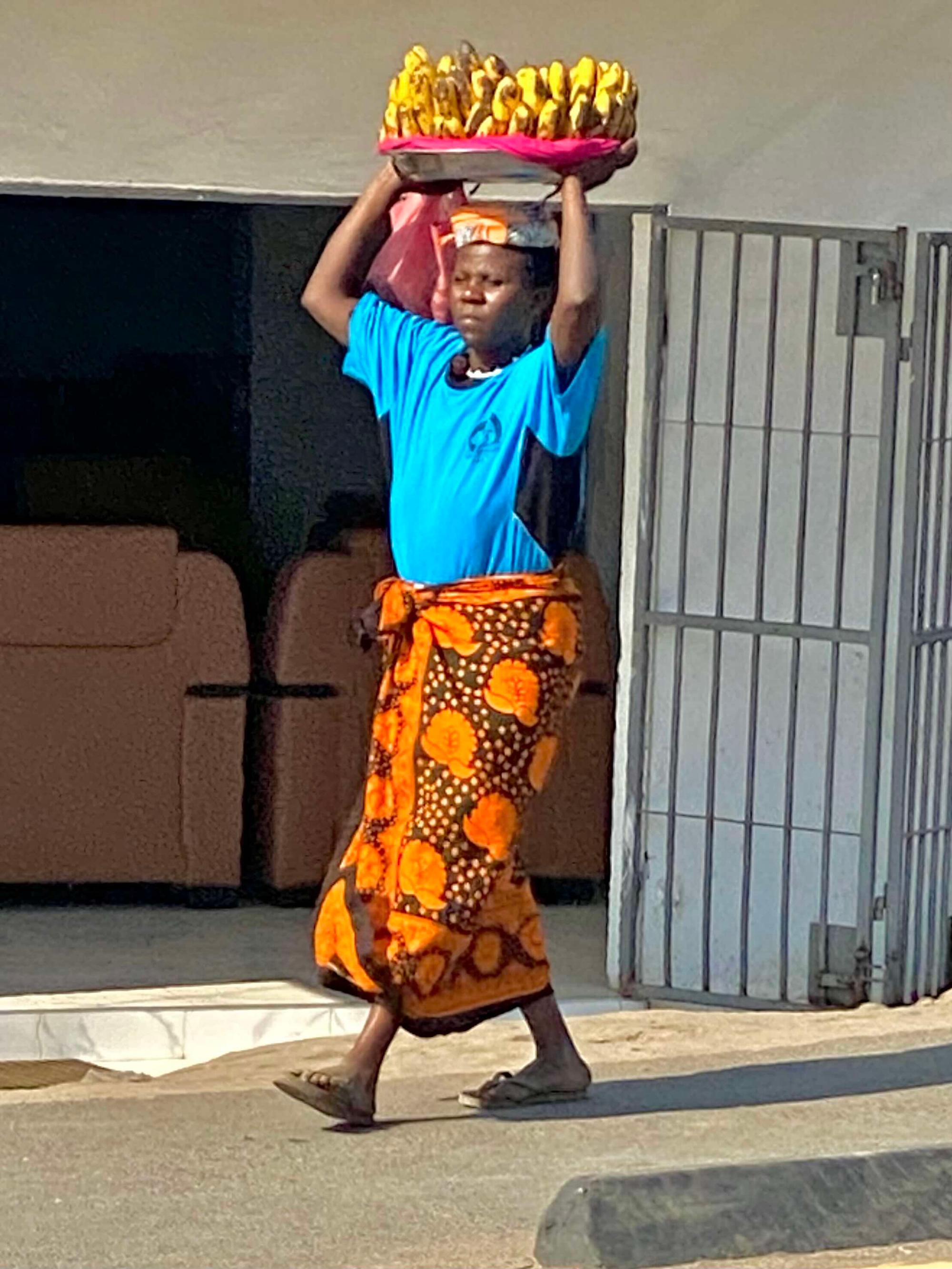
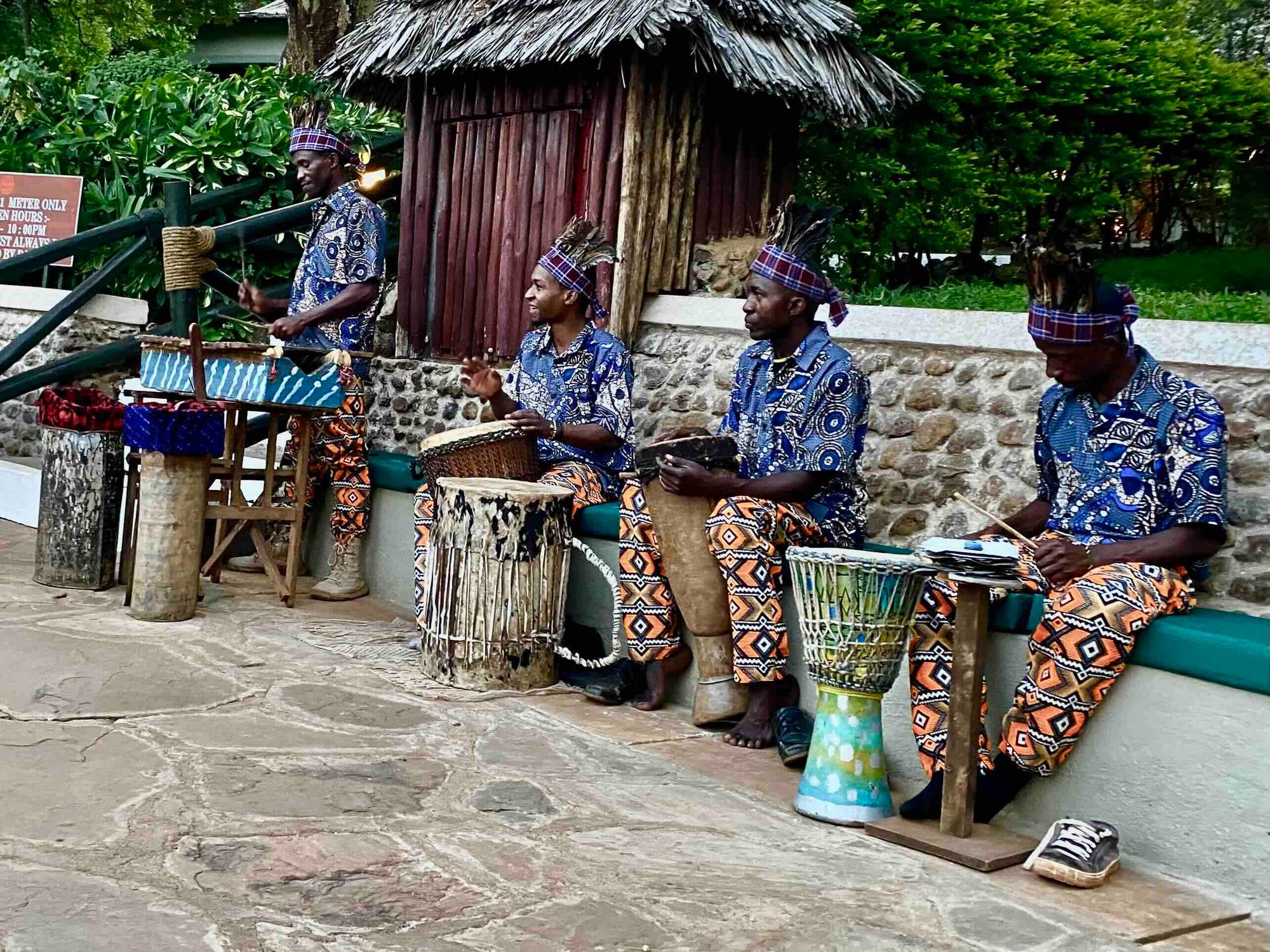
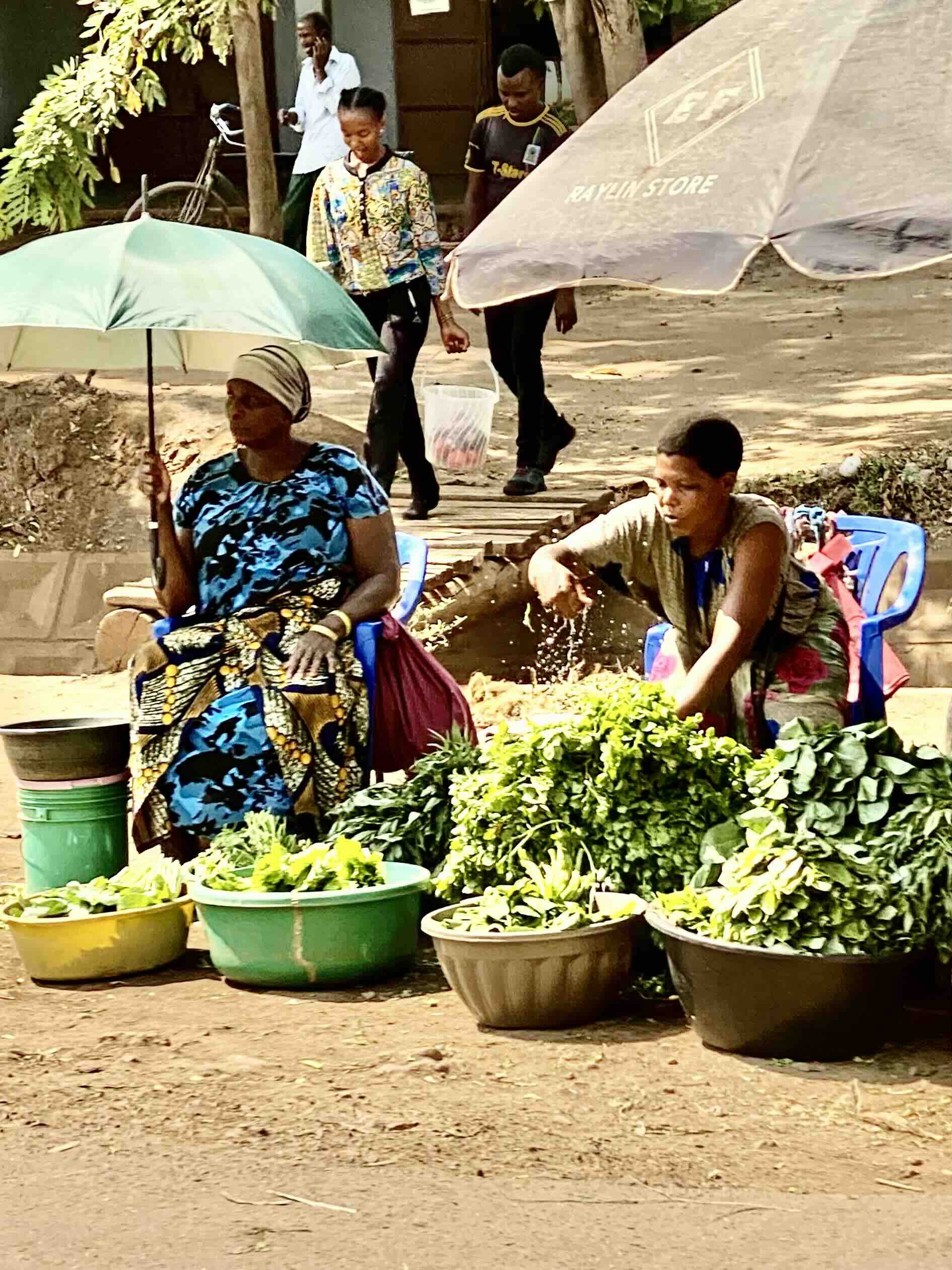
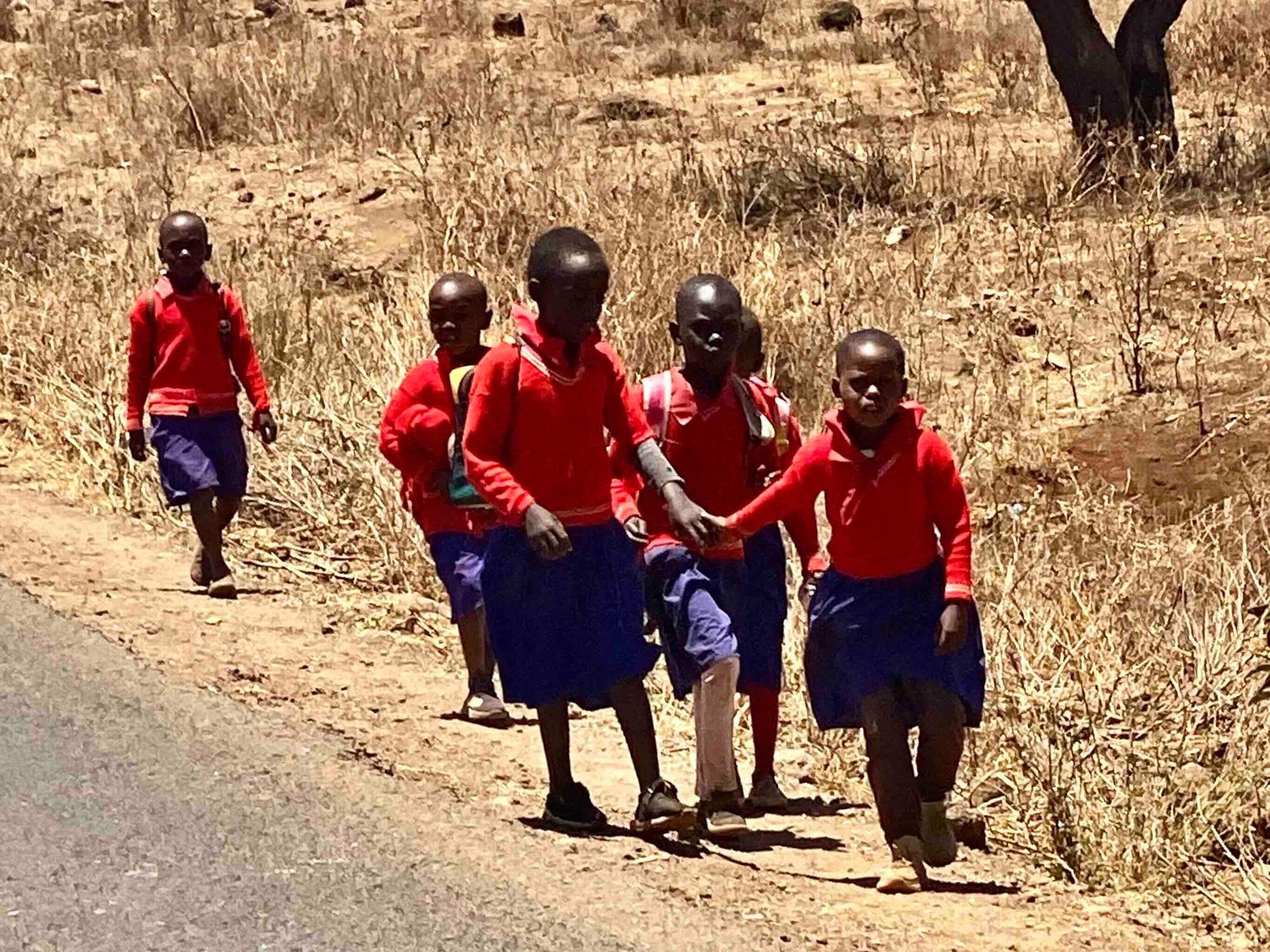
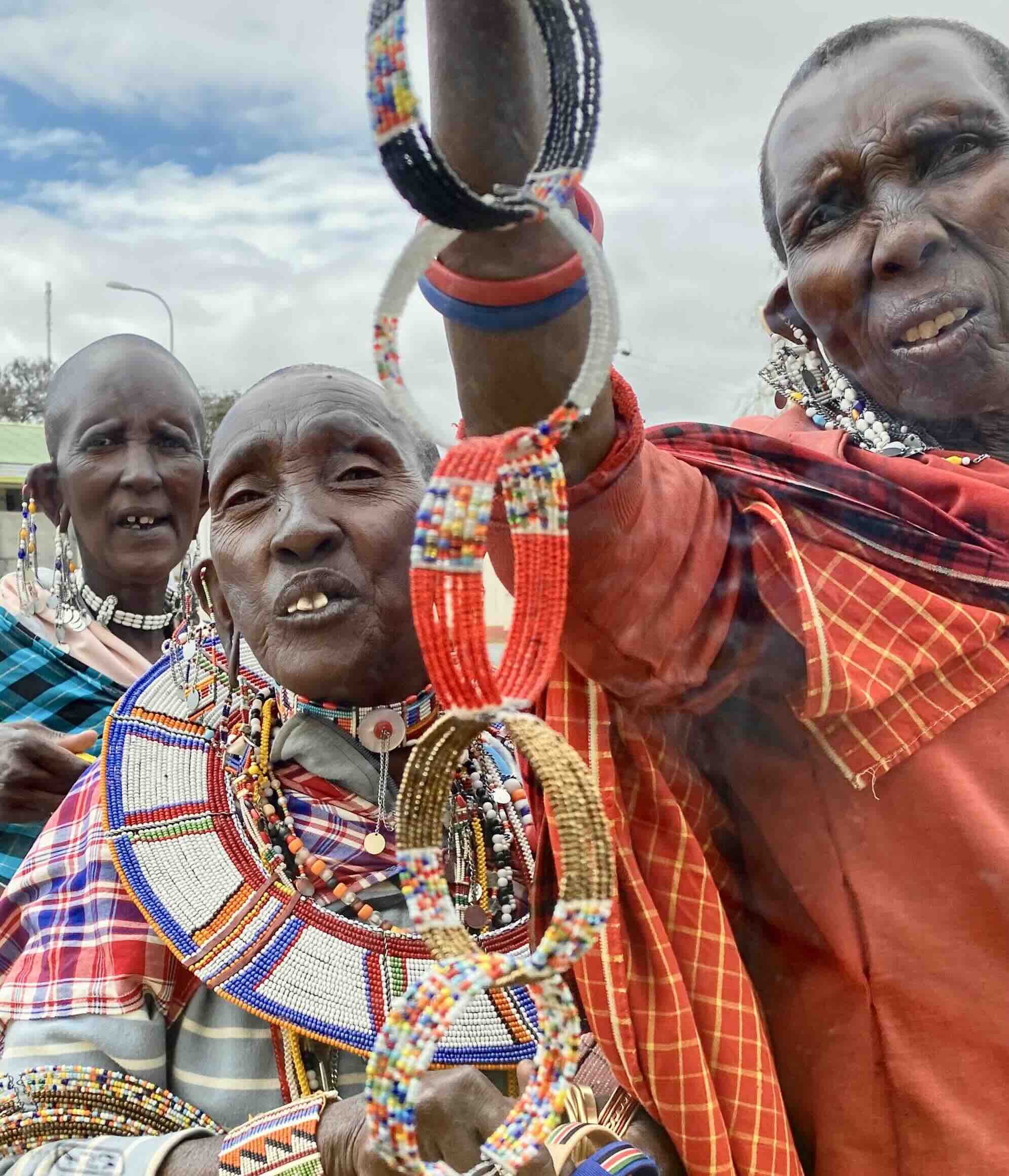
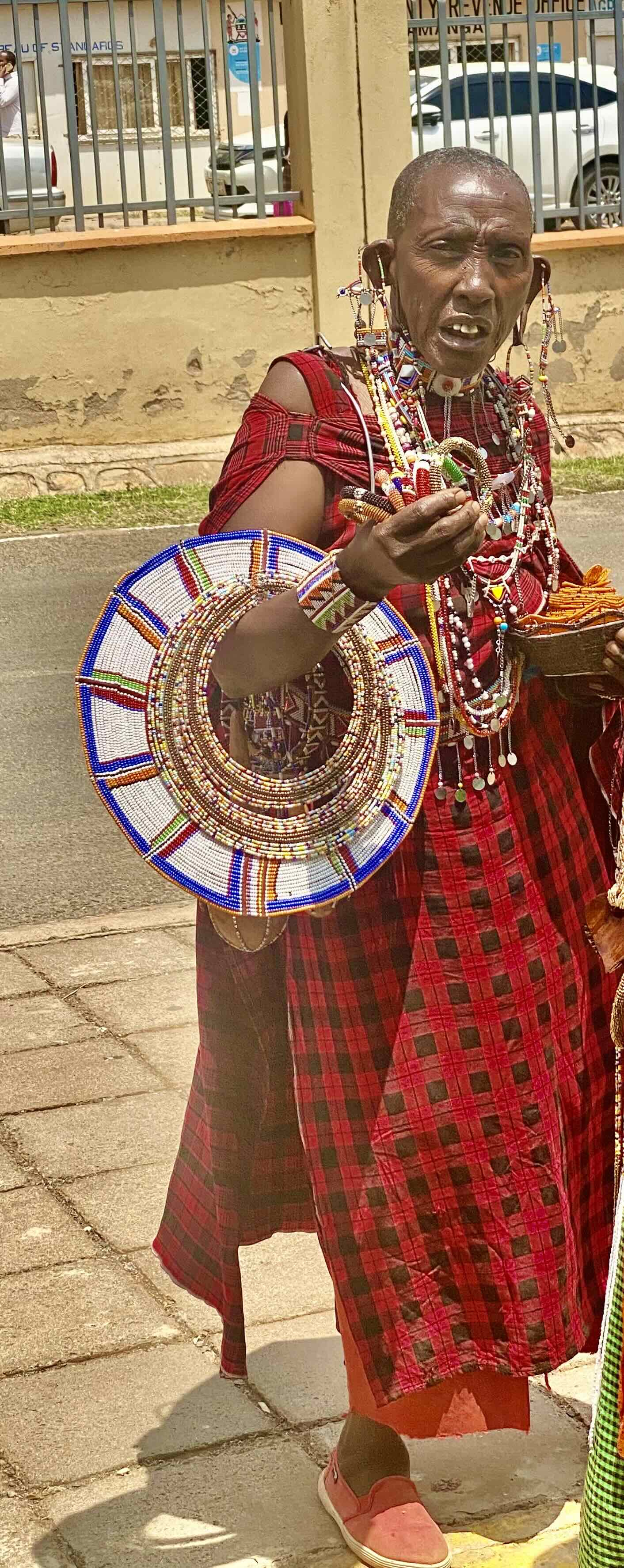
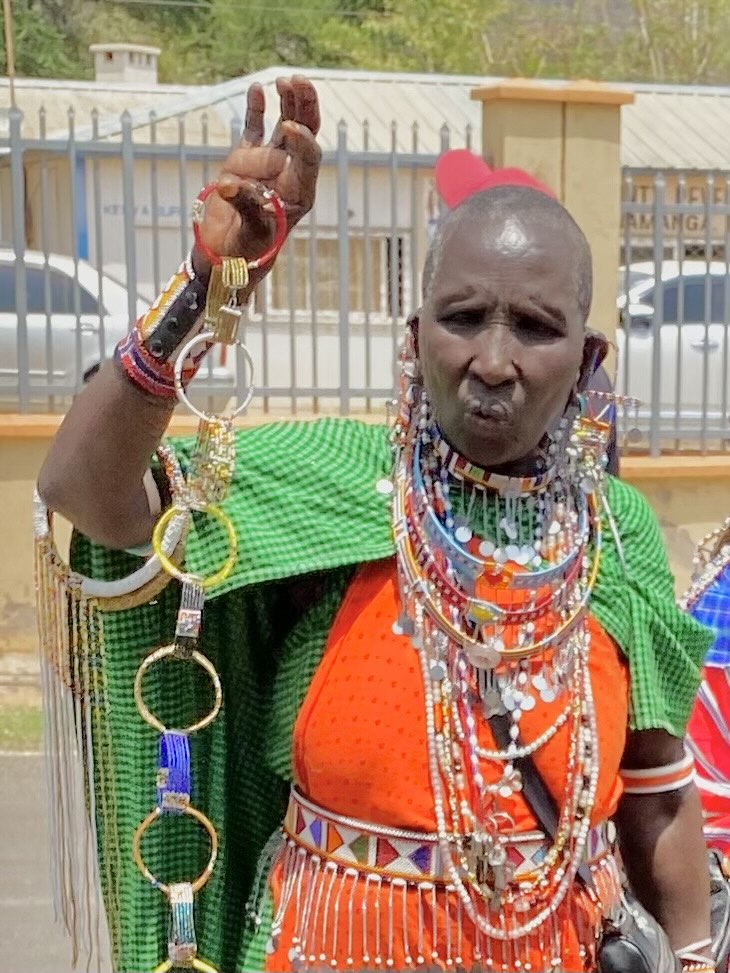
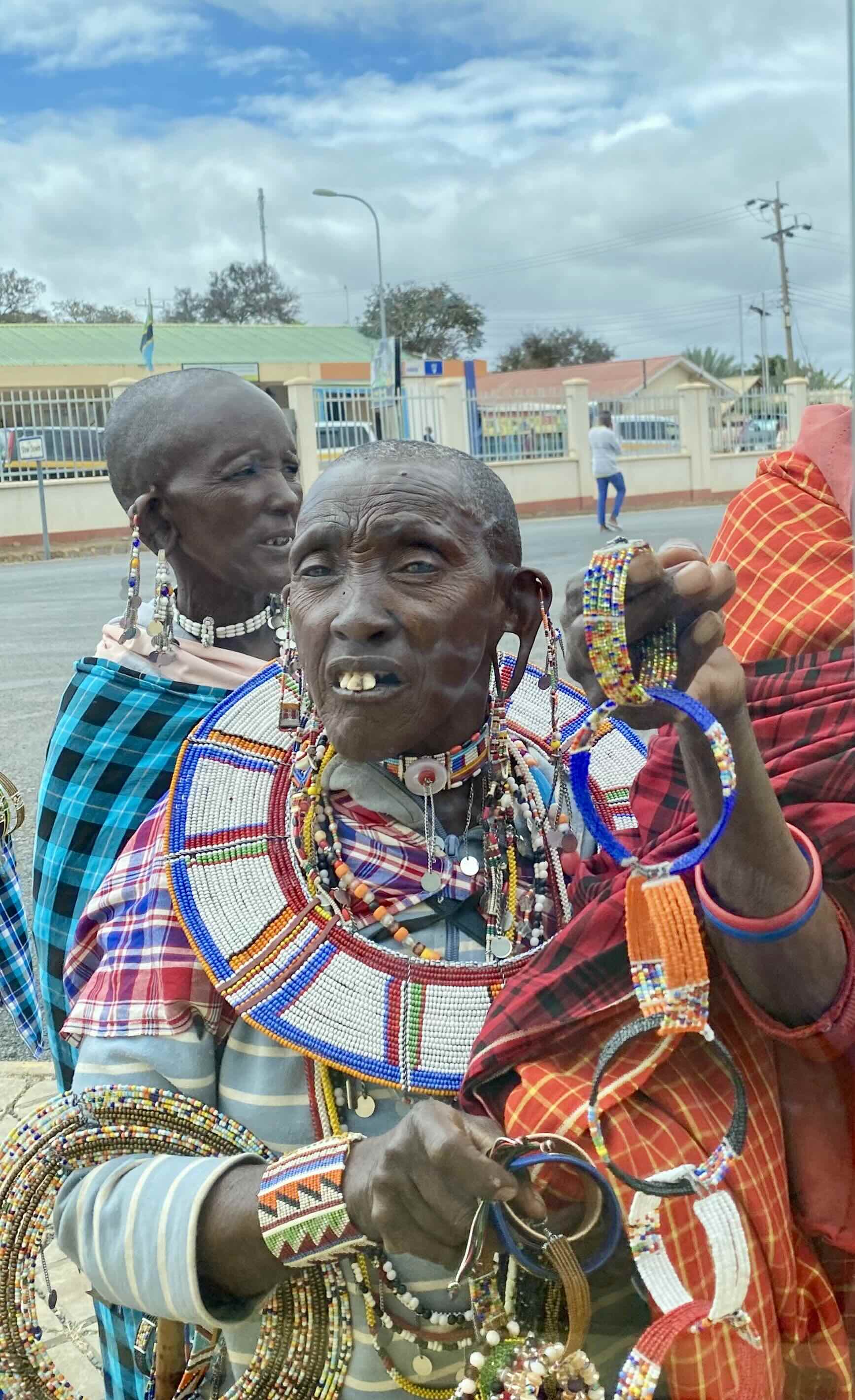
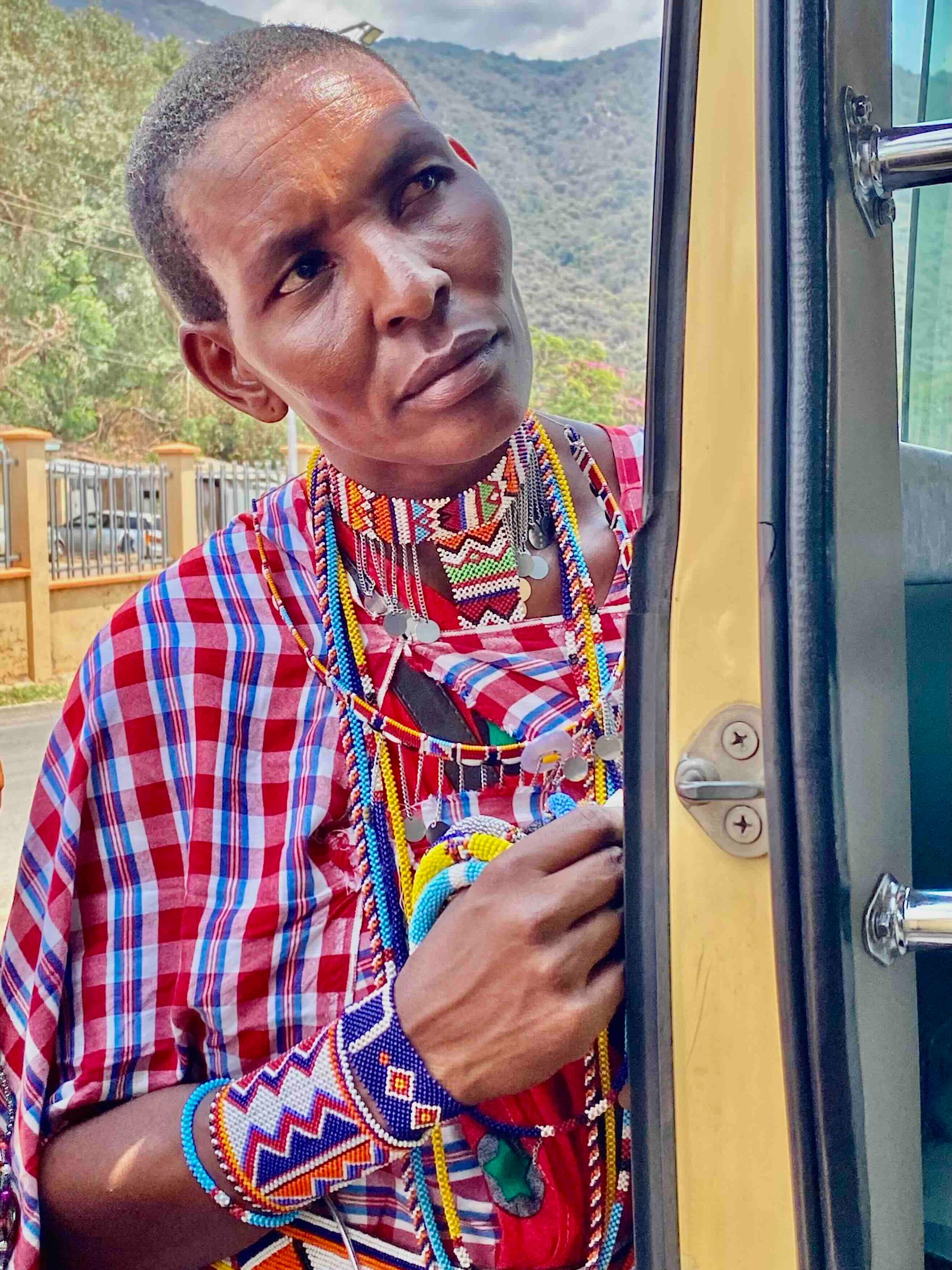
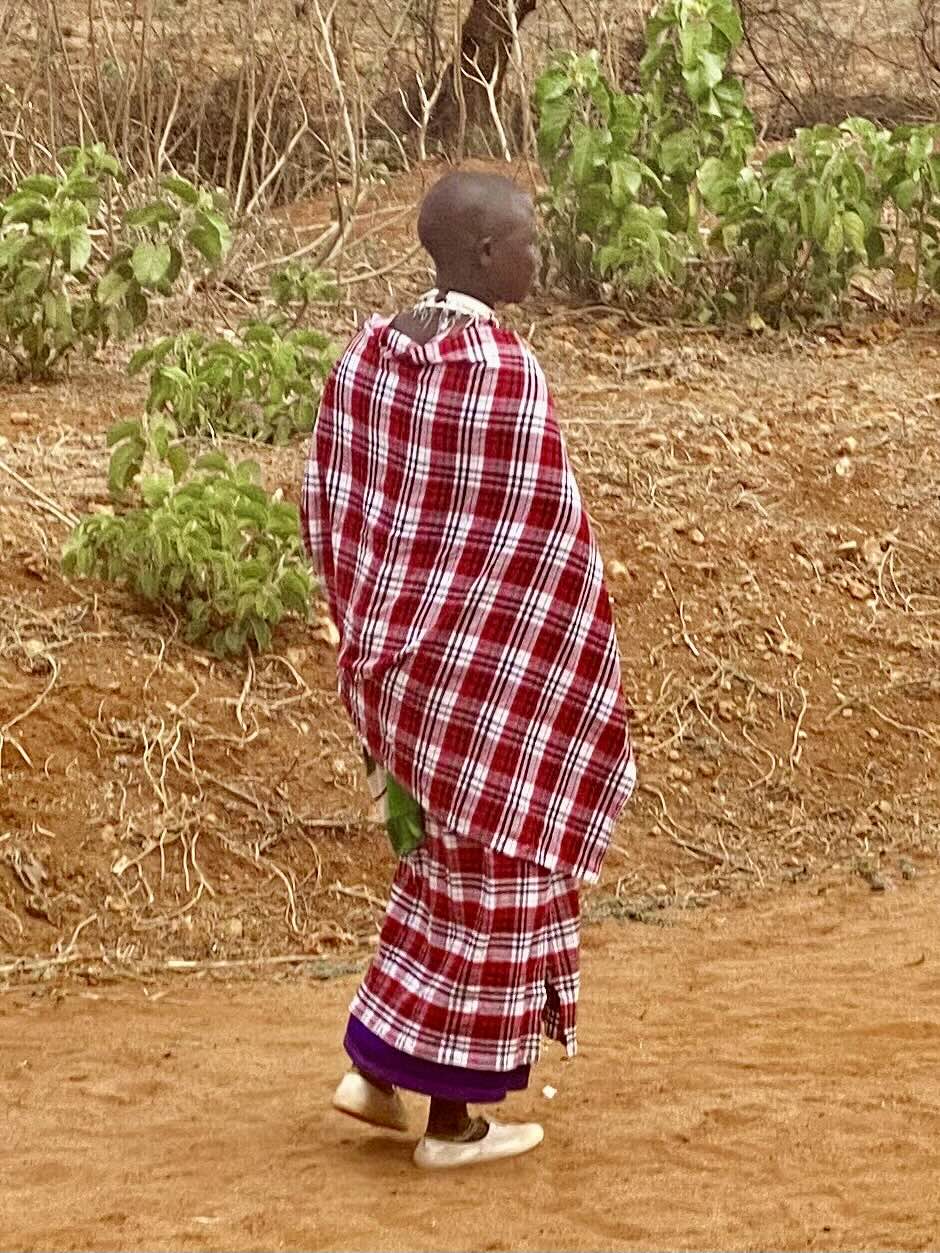
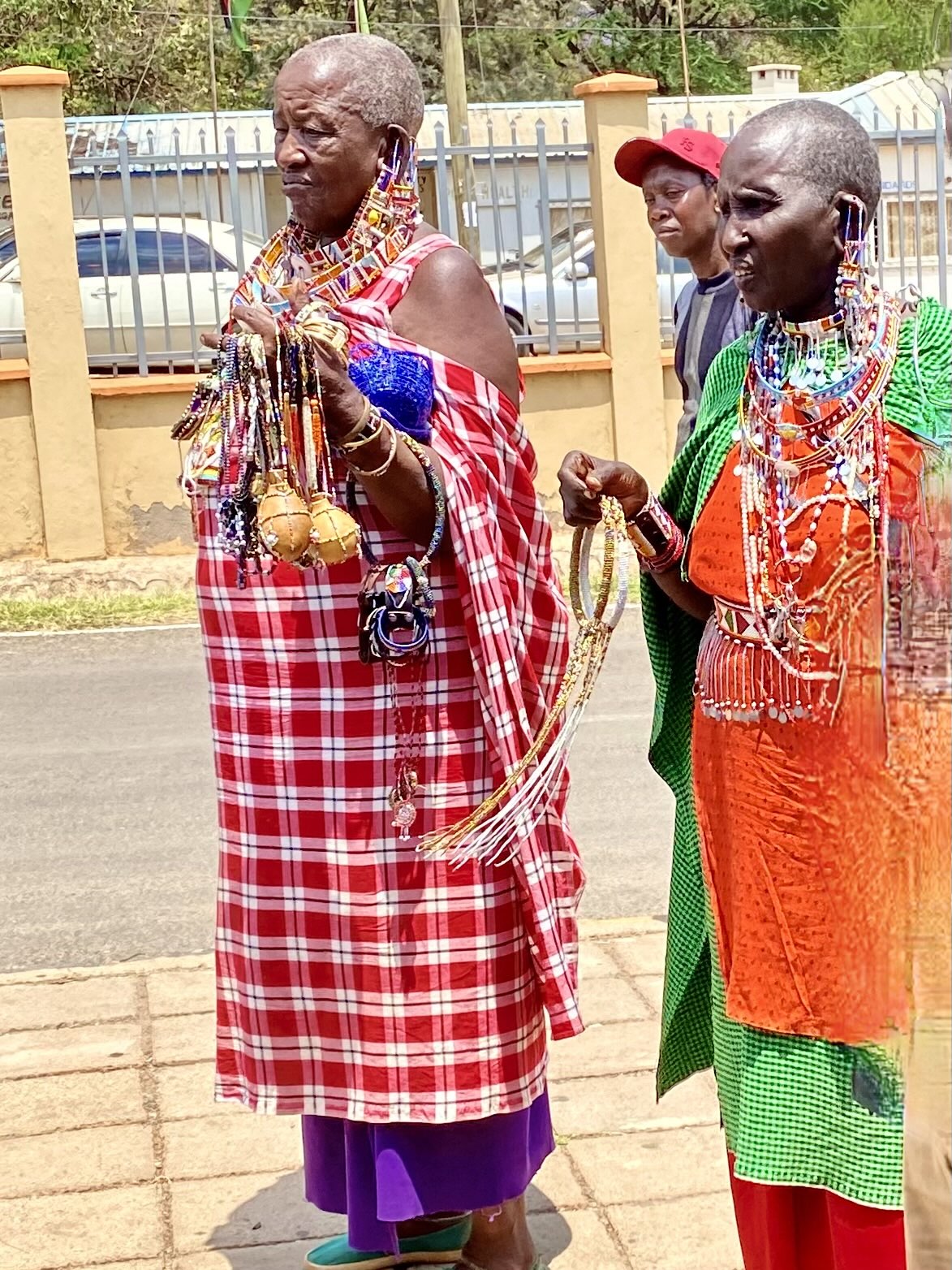
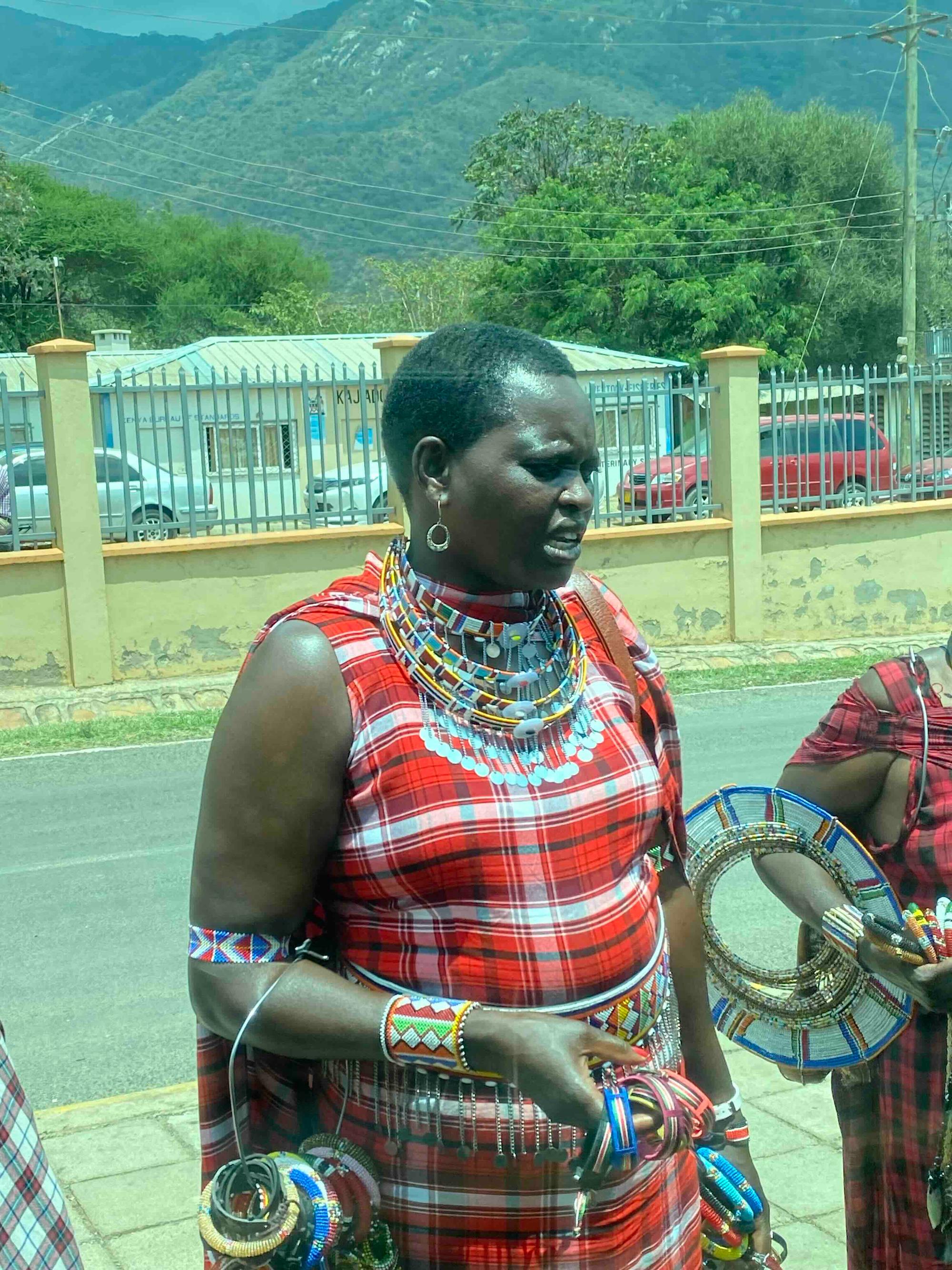
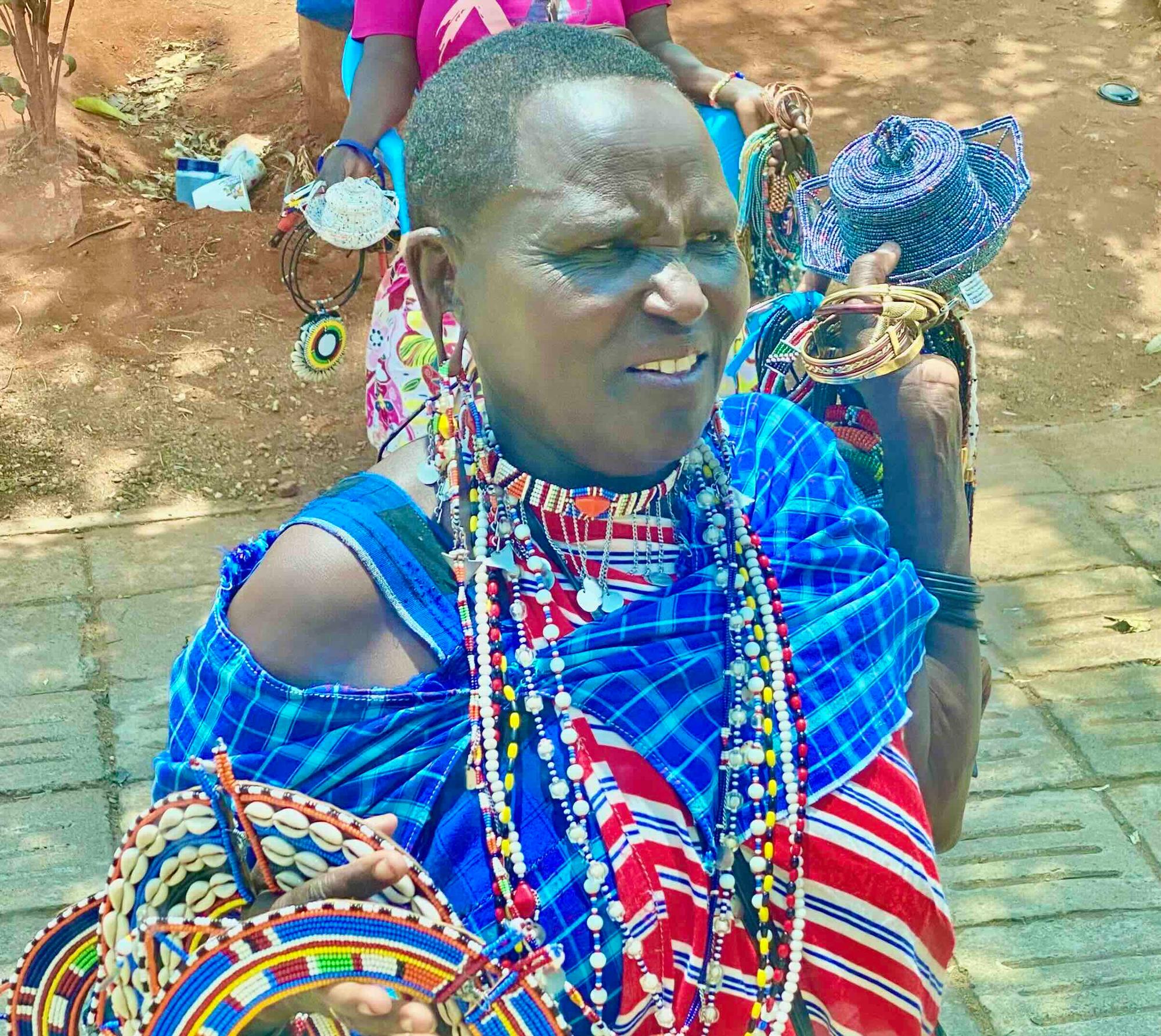
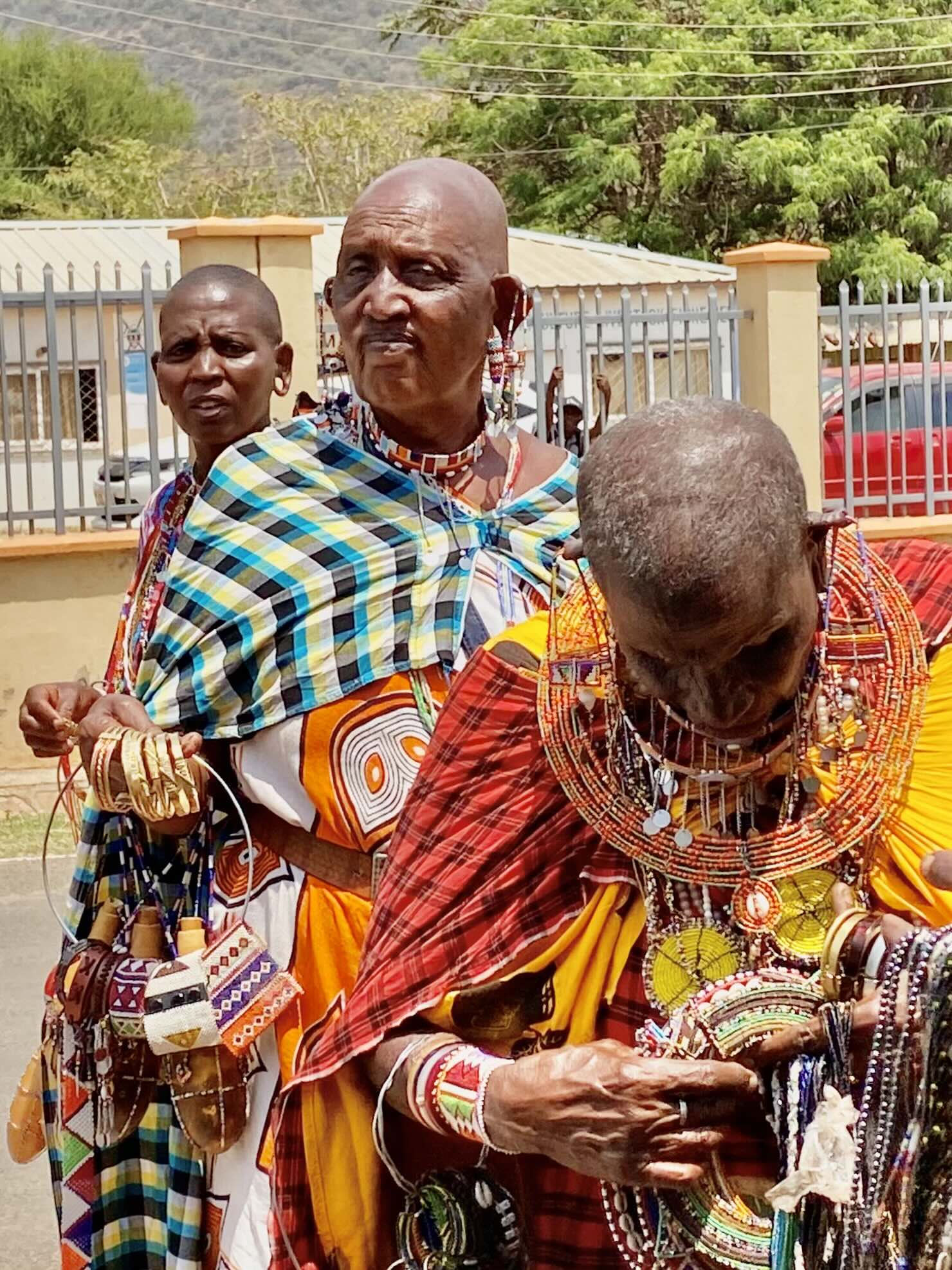
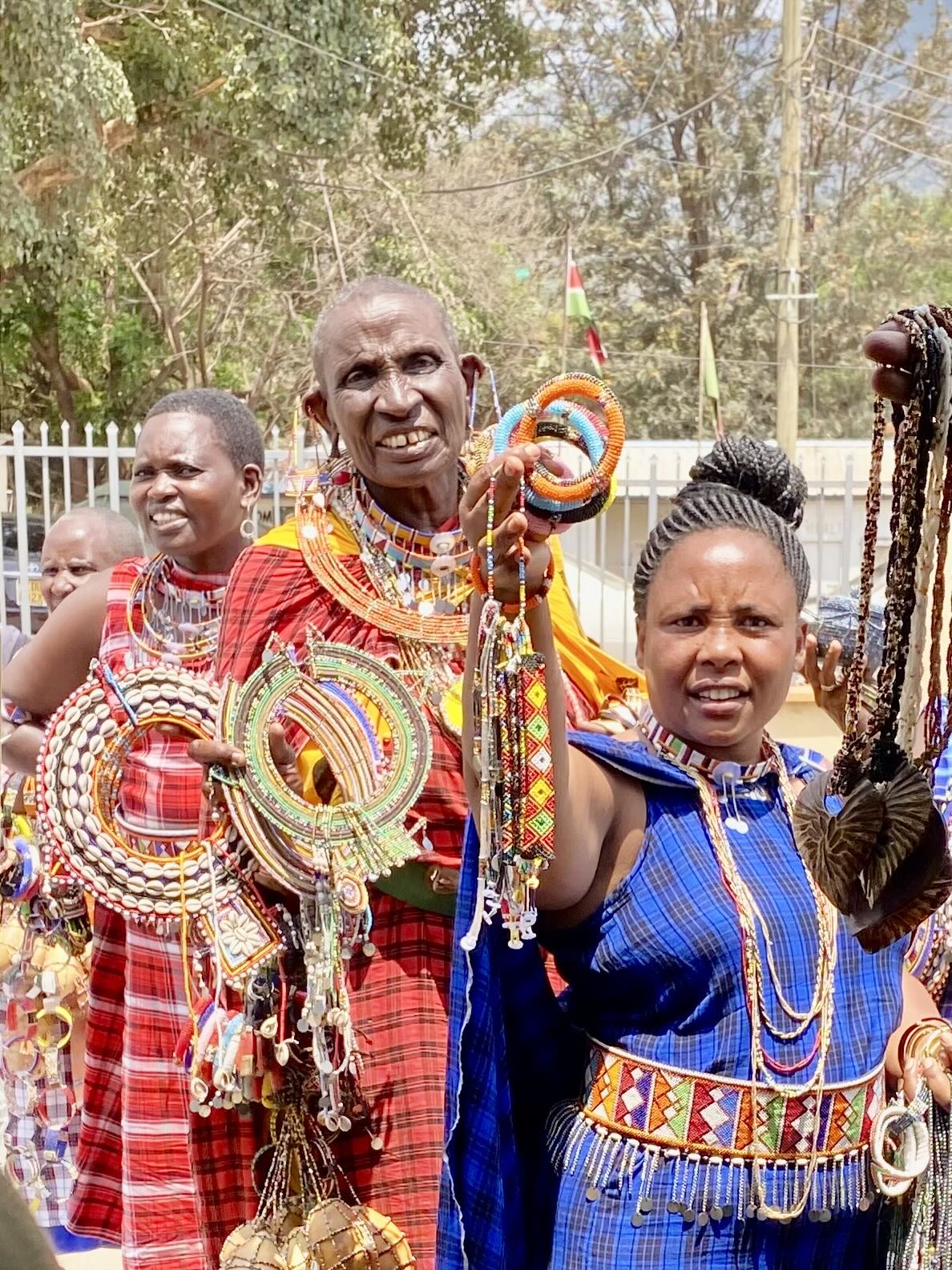
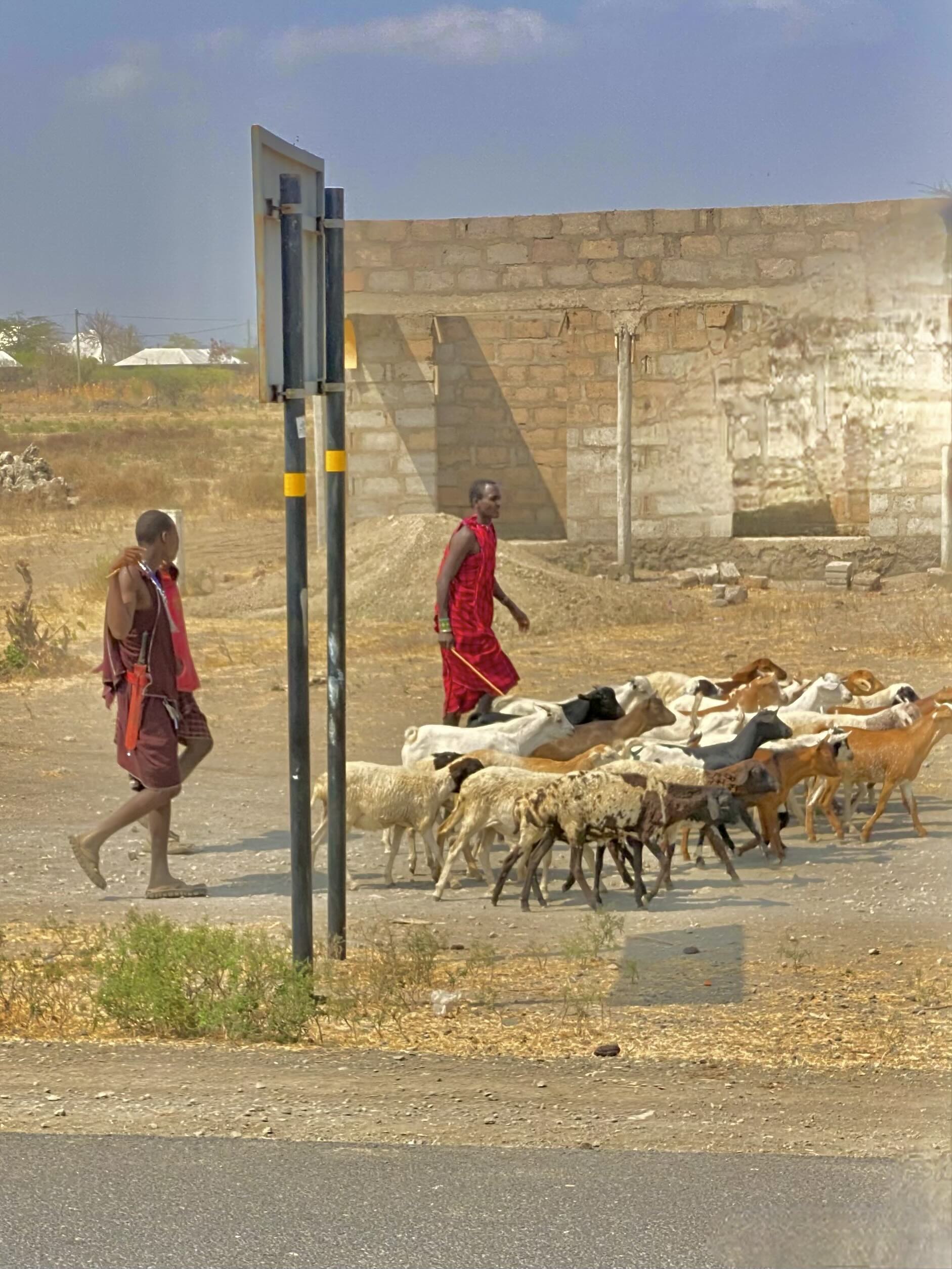
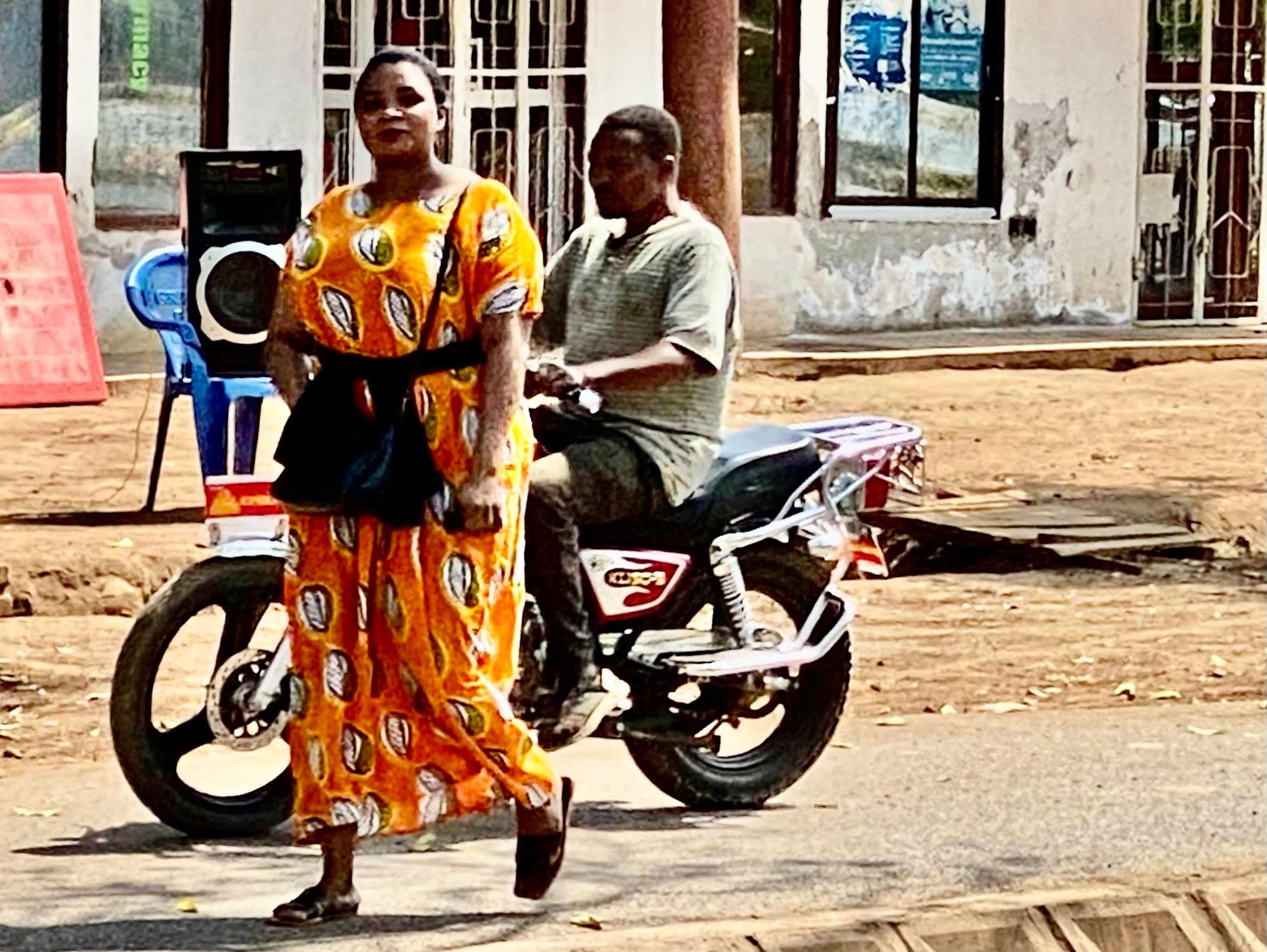
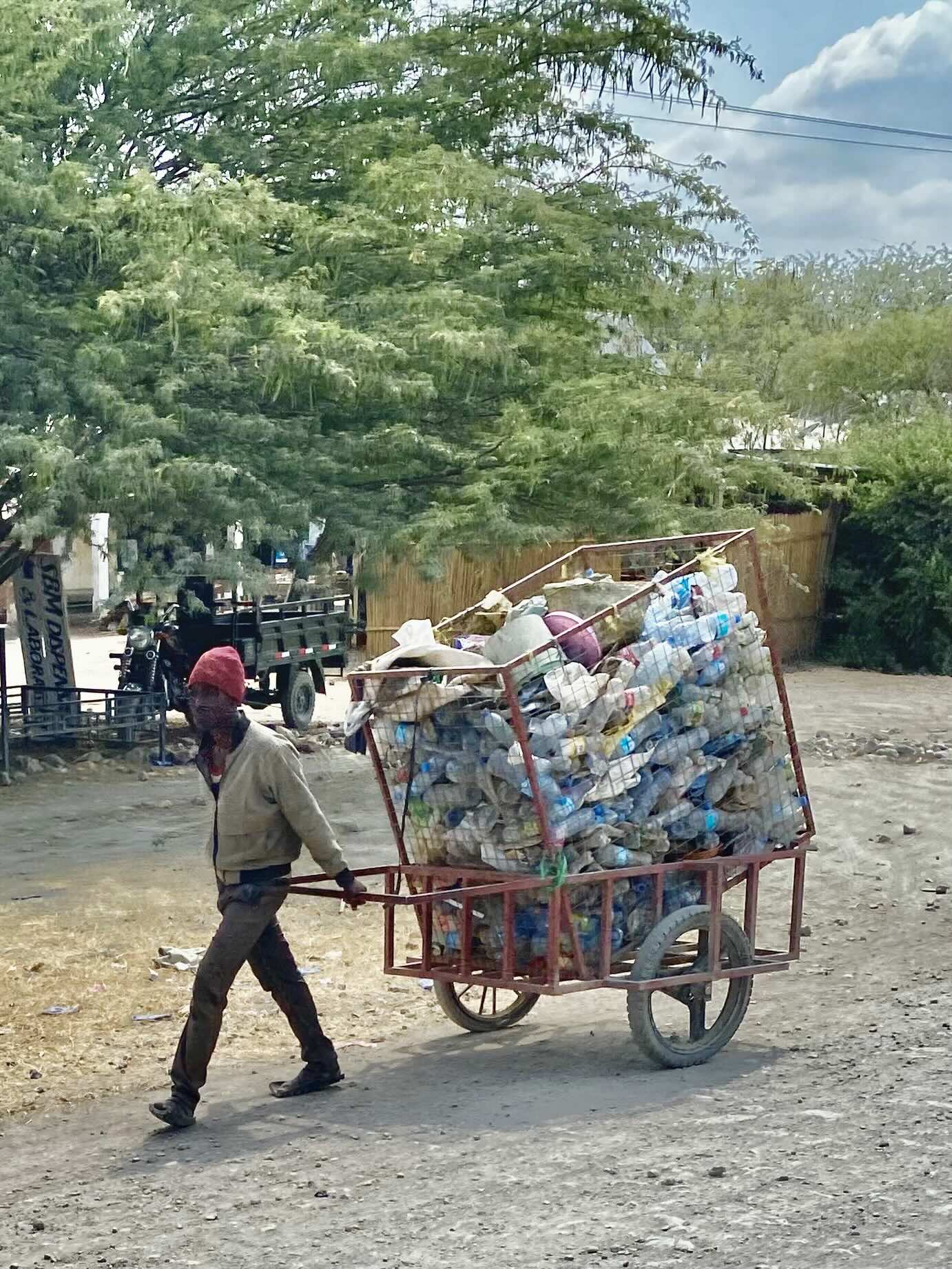
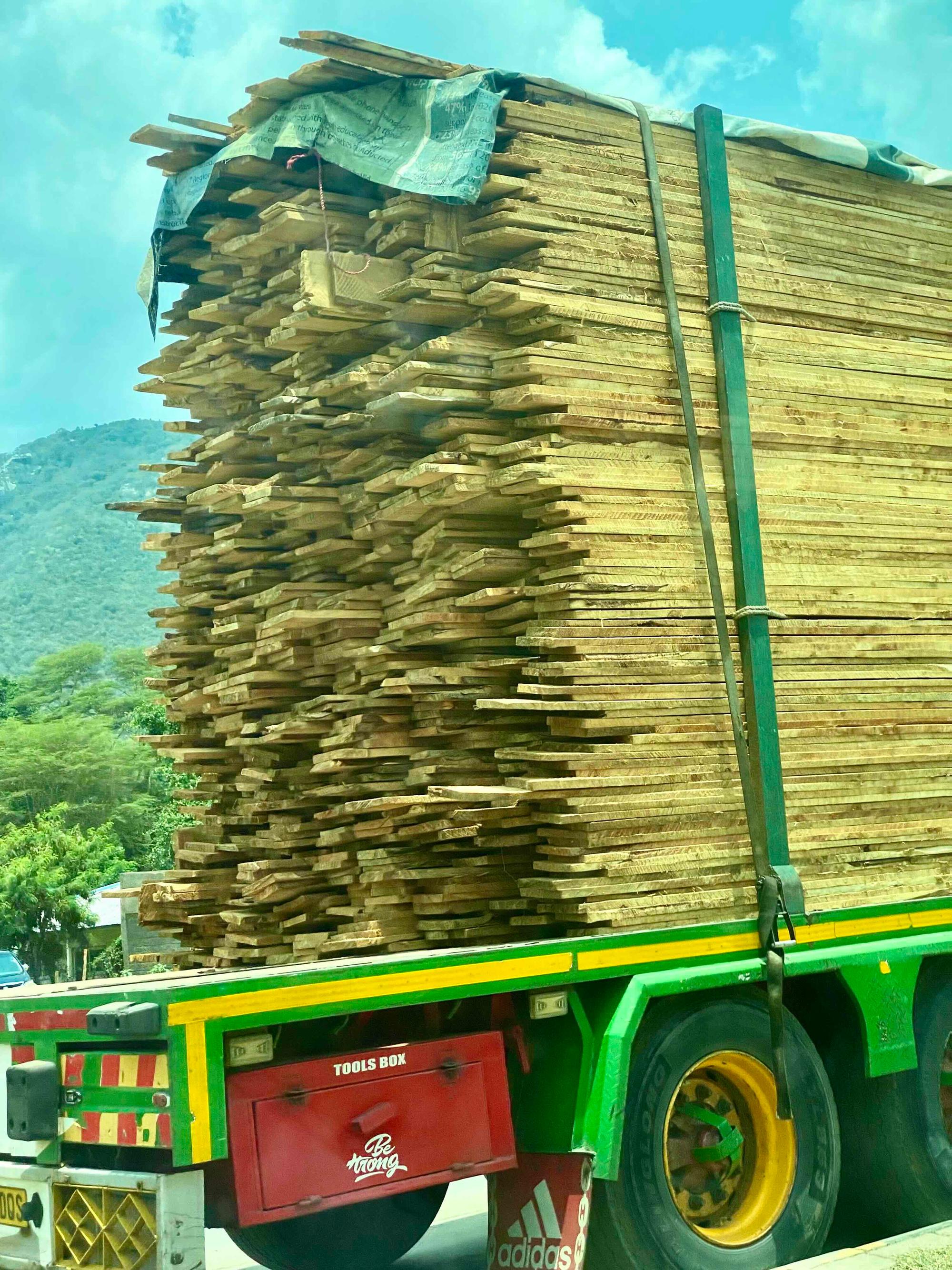
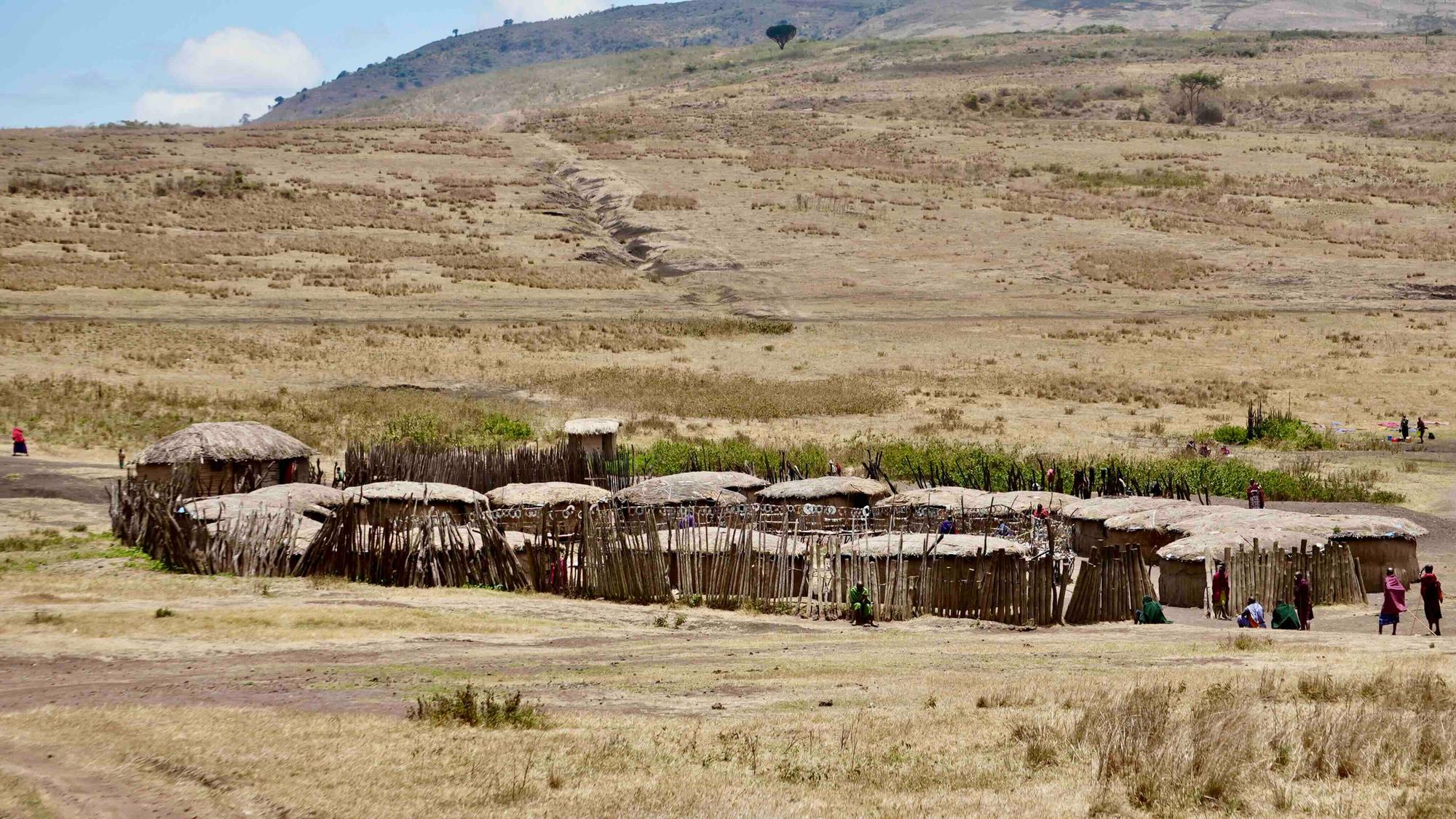
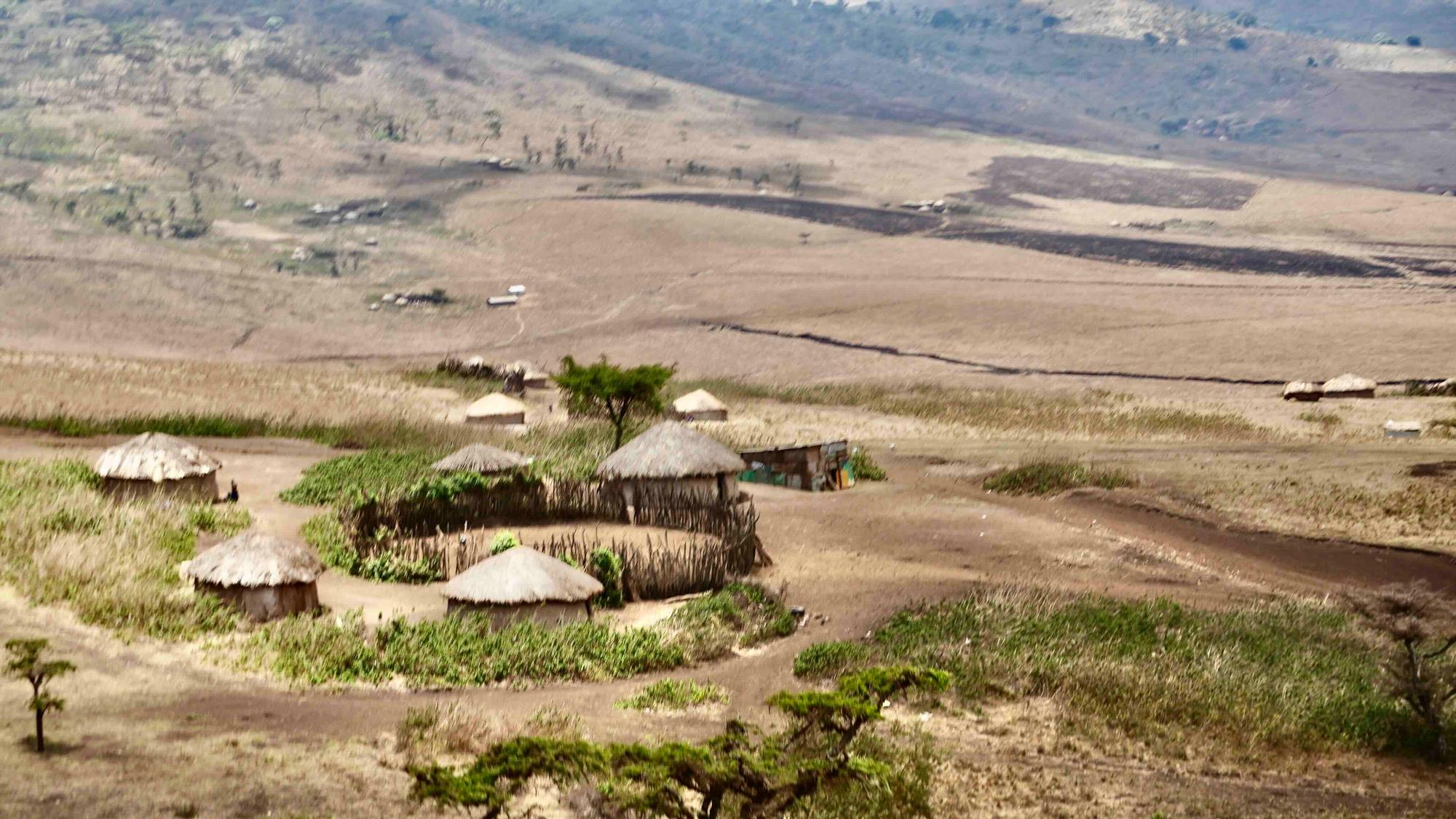
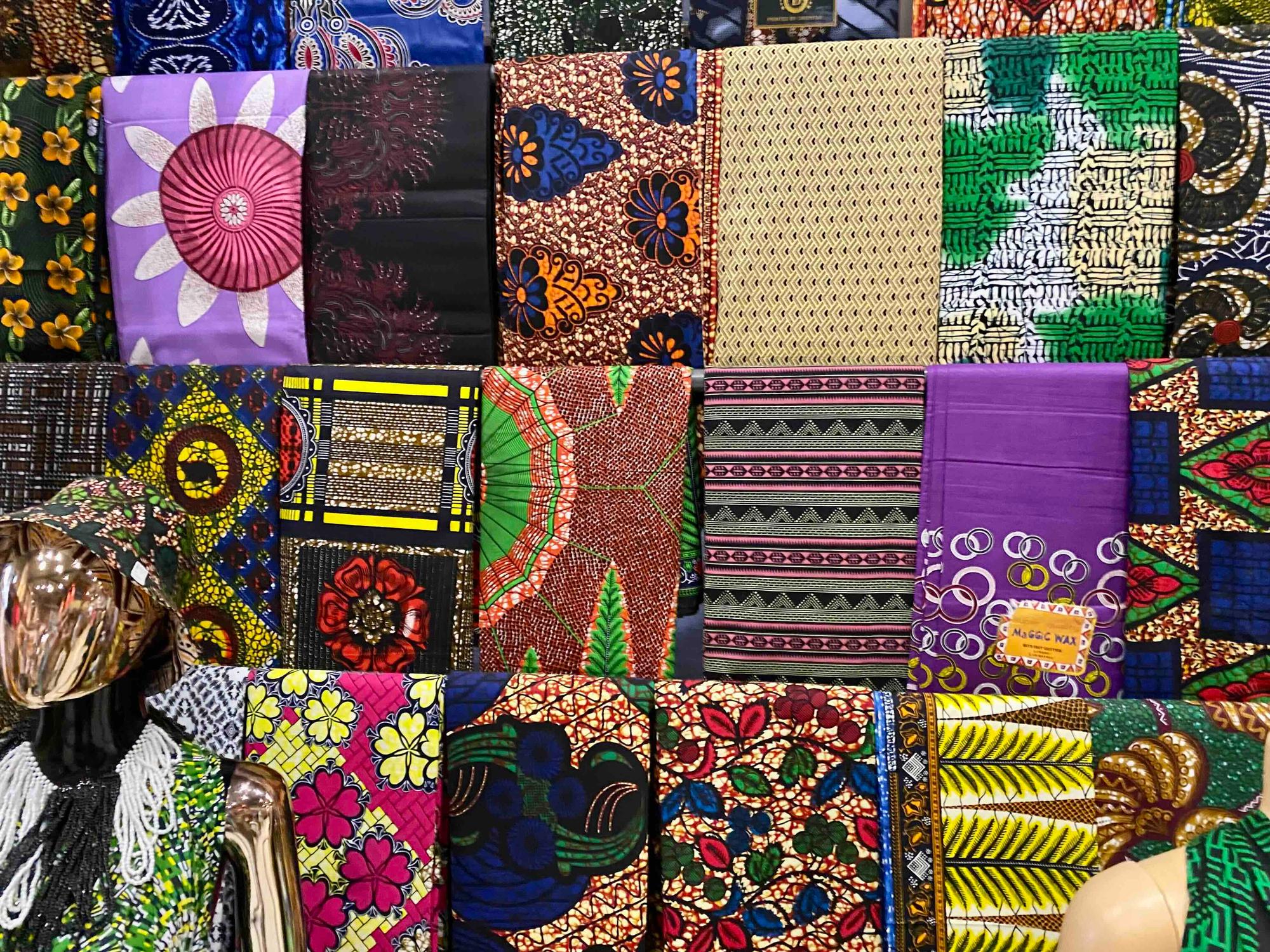
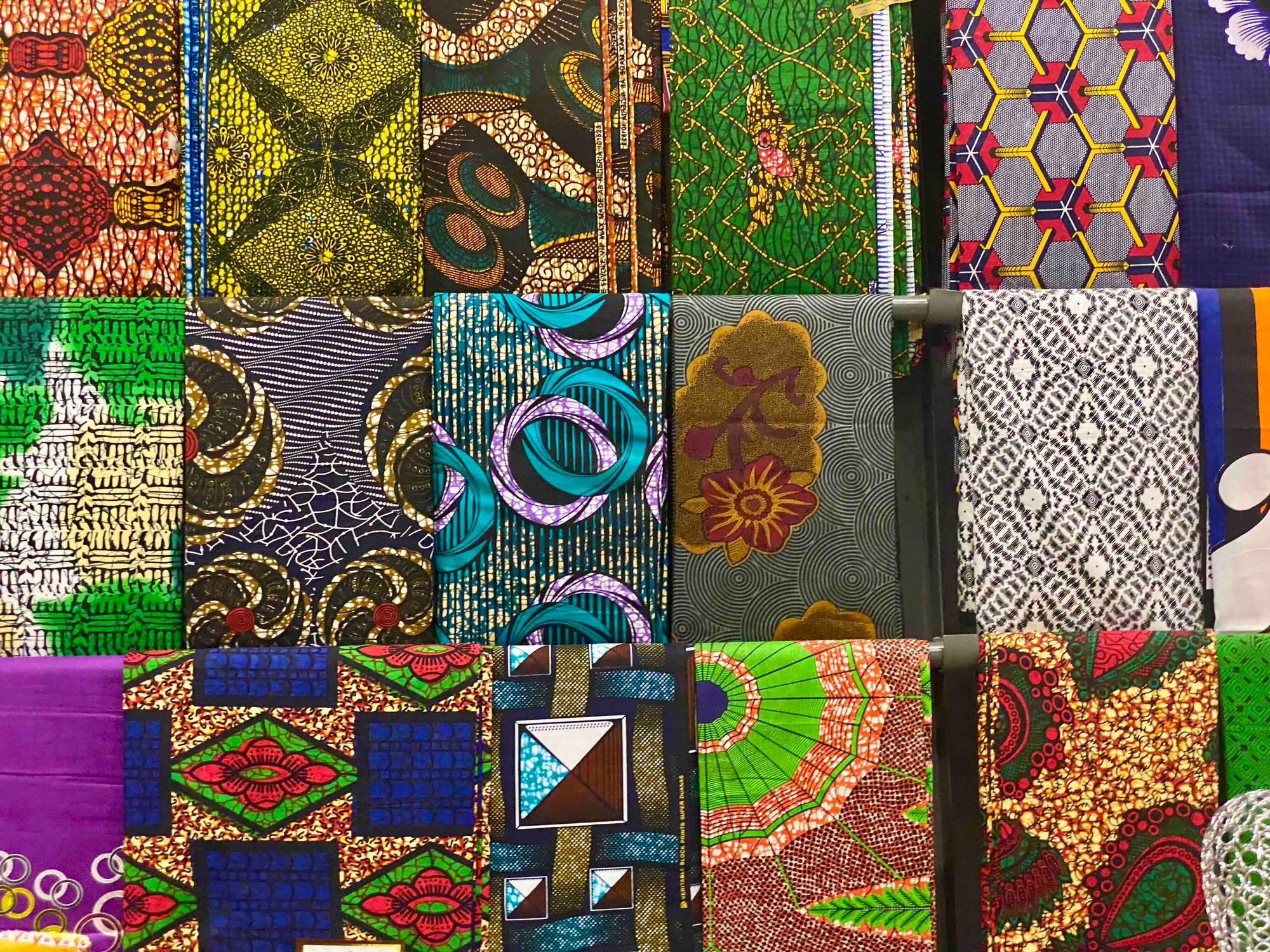
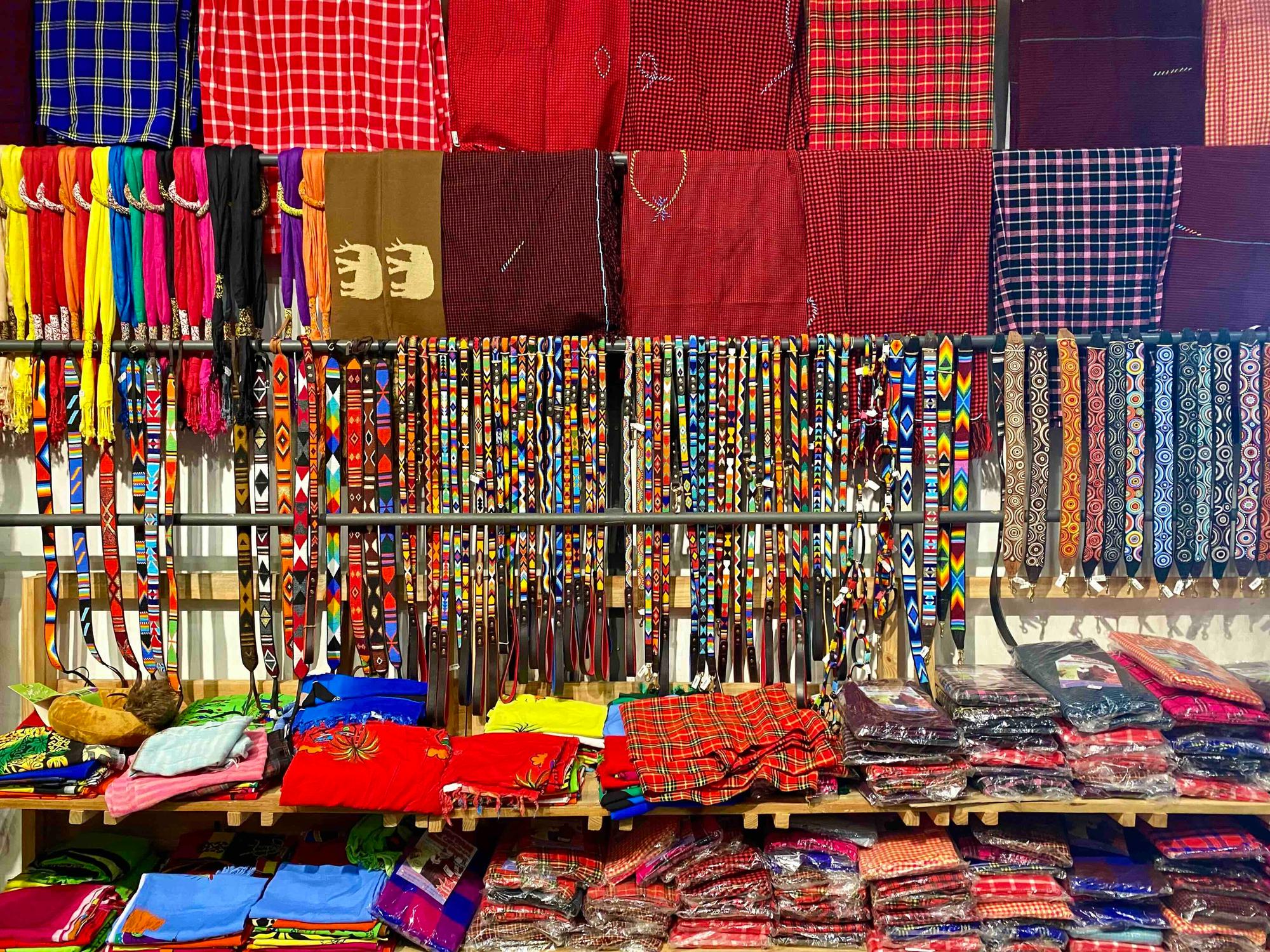
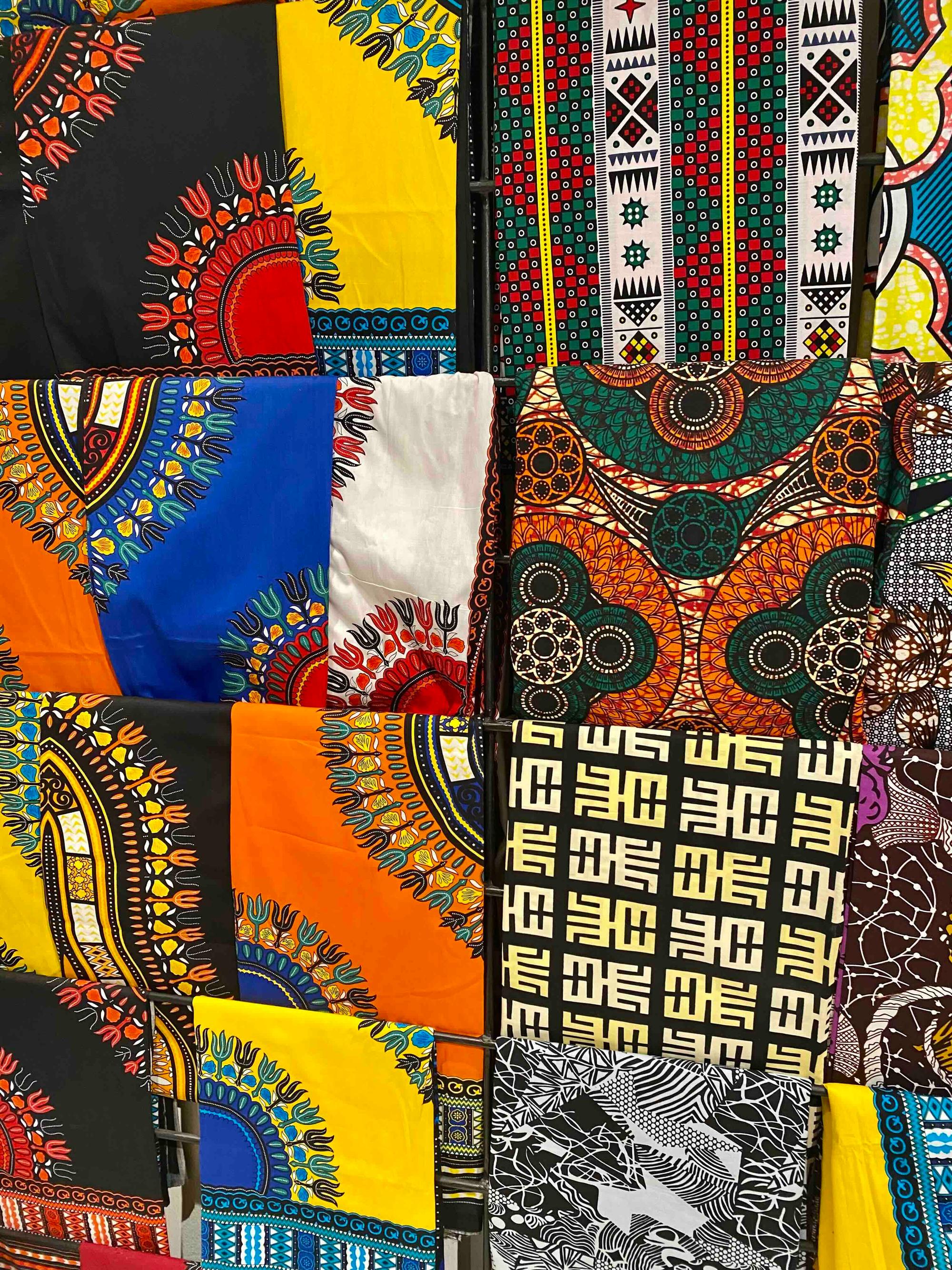
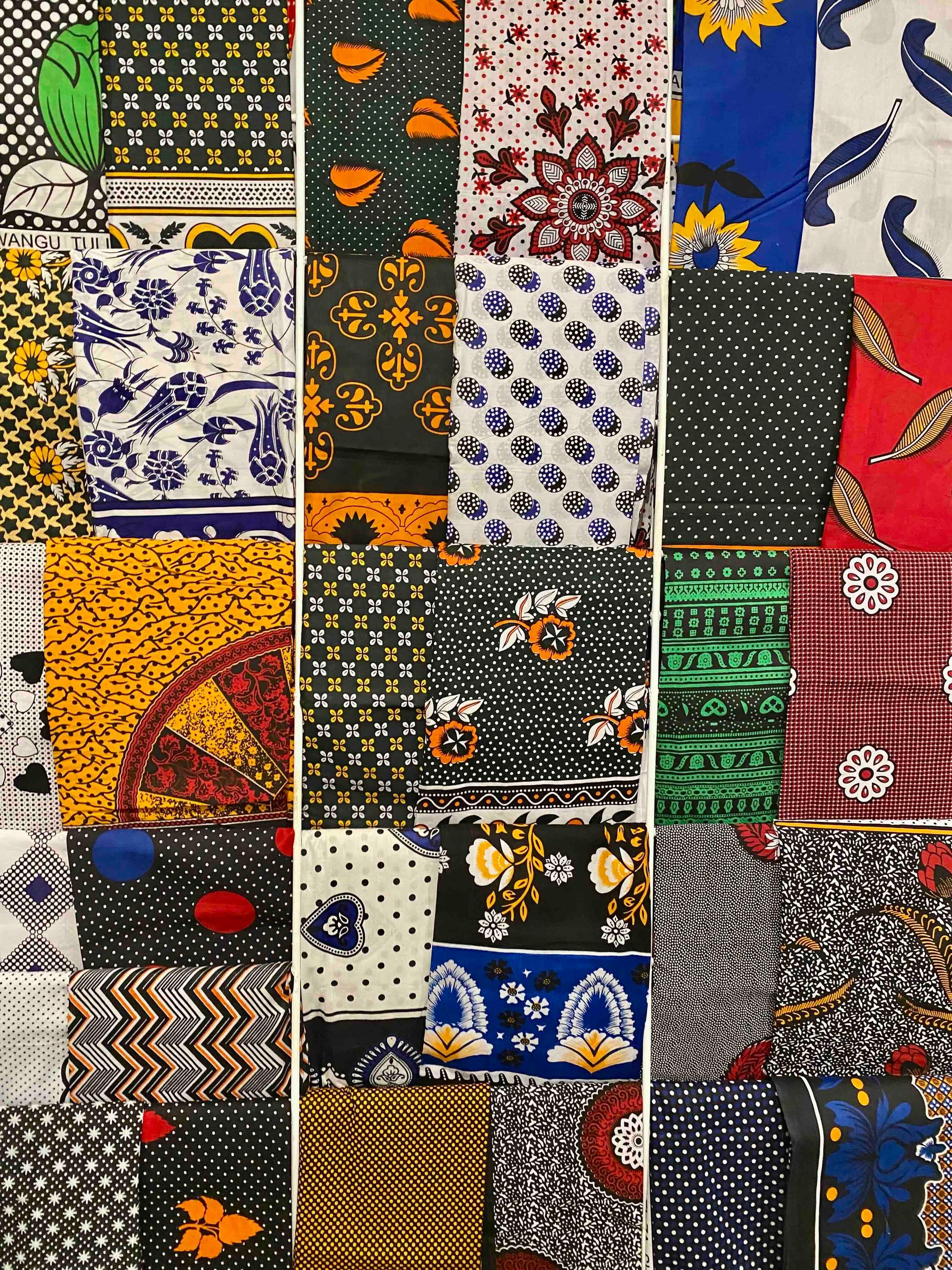
Our first trip to East Africa was a great experience. The people were very open and hospitable. The safari logistics were performed without a hitch. But above all, the animals were amazing. DISCLAIMER My photo gallery for this blog is of varying quality. That is because many photos were taken from the moving jeep. Sometimes, the subjects were far away, such that expanding and cropping of the subject lowered the resolution. Some of the subjects were not happy with my having taken their photos. I tried to be unobtrusive when possible. Don’t forget to click the photos to expand them and see the short descriptions. A CULTURAL COMPARISON OF KENYA AND TANZANIA THE MASAI TRIBE As I mentioned in previous blogs, Kenya has forty-five different tribes. Tanzania has one hundred and twenty-five different tribes. The Masai tribe is notable for many reasons. Its members were traditionally nomadic herdsmen, living in areas filled with wild animals and not arable for agriculture. They attempt to maintain their original lifestyle in the face of modern culture. Only a small percentage has received the comprehensive education that is only available in cities. We were taken aback by the visibly poor dental hygiene exhibited by almost all the tribal people we met. Sikhs in India are identifiable by their unique turbans and beards. Orthodox Jews in Israel are easily identified by their long sideburns, caps (kippahs), and their black suits. Similarly, Masai wrap themselves in colorful cloths bought commercially, giving them an easily recognizable appearance. You can assume that my photos of people not wearing colorful cloths are members of other tribes besides the Masai. The Masai justifiably fear that if their young members spend too much time in the cities, they won’t want to come back to the original primitive lifestyle practiced in the villages. I was told that some Masai have cell phones to keep in touch with their children who have left the villages. How long will the Masai be content to live without electricity and running water, eating almost exclusively an all-meat diet? If the Masai abandon their traditional ways, will the tourists abandon them? The Masai work hard to maintain their herds of cattle, sheep, and goats. They are the only tribe allowed to take their animals into the national parks and nature preserves to graze. But we also passed by innumerable shepherds along the roads, sometimes having to stop for their flocks as they crossed the roads. ABOUT THE PHOTOS OF THE MASAI SALESWOMEN All those photos were taken as we were crossing the border from Tanzania into Kenya. Our bus was mobbed by the traditionally dressed Masai women, aggressively trying to sell their handicrafts. The women certainly don’t look like modern Kenyan or Tanzanian women. Their hair is closely cropped. Their earlobes are stretched by many long earrings. Some of the women have faces that might be mistaken for being men. Clearly, the Masai standards for what is beautiful in their culture are different from ours or even modern Kenyan and Tanzanian cultures. ABOUT THE STORE PHOTOS Our guides took us to a great handicraft store to shop. Susan and I are coming home with two masks and an ebony giraffe, which Susan plans to place next to her harp. There were many amazing works of art. I tried to show some of the variety. The color styles of the clothes are striking. The modern Masai tend to wear mostly red robes, but I managed to capture some photos of them in different colored robes. Traditionally, the Masai men carry a stick to drive their livestock, but also as a potential defensive weapon. FROM THIRD WORLD TO FIRST WORLD Just like India, China, Indonesia, and other African countries, Kenya and Tanzania remained relatively undeveloped under their colonial rulers, who were more interested in exporting these colonies’ valuable natural resources than in building modern societies. So all these “third world” countries face similar challenges. Kenya makes a more modern impression than Tanzania. We didn’t tour too widely in Tanzania, whereas we traveled through rich agricultural regions in Kenya. Perhaps the area near the Tanzanian coast and its capital, Dar-es-Salam, are more affluent than the more barren regions we saw. Nonetheless, there are still many people in both countries who live at a level barely better than before independence. Nairobi has a slum area housing a million people, many of them men who come to the city from their villages looking for work. I’m glad that tourism is flourishing. It helps the poor tribespeople and helps protect and sustain the wild animals. We heard a shocking statistic from our Kenyan guide. Thirty years ago, twenty percent of Kenya was covered by forests. (The majority is savannah or high desert landscapes.) In twenty years its forested area was reduced from 20% to 2%! Kenya made it illegal to chop down any trees and promoted reforestation. The forested area has increased back to 8% from 2%. But it is still illegal to chop down any trees. So Kenya imports all of its wood for construction from Tanzania. I posted a photo of an overloaded Tanzanian lumber truck importing lumber for construction in Kenya. FINAL THOUGHTS Our safari tours were very well organized. Both Kenya and Tanzania have hundreds of different companies offering safari services to tourists. (That’s why there were sometimes as many as fifteen jeeps from different safari companies converging on lion kills and other interesting animal activities that attract attention.) It’s great to experience the animals at home in their natural native environments. We don’t intend to visit any zoos soon due to the oppressive conditions in which most animals are kept. This trip raised my consciousness of life and culture in Africa in general. Our safari was a once-in-a-lifetime trip that changed my understanding forever. How wonderful!